Key takeaways
- Wheels and axles: Double spinner housings collect hair and debris. Hindered rotation and flat spots are the most common functional complaint after 18-24 months of frequent use.
- Telescoping handle: Button mechanisms and inner tubes develop wobble if the case is pulled sideways over curbs or lifted by the handle alone when fully packed.
- Feet and corner guards: Riveted feet on the aluminum model can loosen; polycarbonate corner bumpers show abrasion first.
- Interior compression system: Elastic straps and divider zippers lose tension faster than the shell fails.
What's inside
- Nobl Carry-On Models at a Glance
- Durability: Aluminum vs. Polycarbonate in Real Use
- Spinner Wheels and Handling: How Smooth Is the Roll?
- Real-World Fit: Will Nobl Fit US Airline Overhead Bins?
- Decision Matrix: Which Nobl Carry-On Should You Choose?
- Worked Calculation: Cost Per Trip
- Ownership Realities and Maintenance
- How Nobl Compares to Alternatives
- Final Verdict
- Frequently Asked Questions
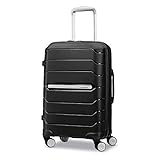
Nobl carry on luggage is a solid choice for frequent flyers who prioritize durability and smooth handling over the lightest possible weight, with the polycarbonate model fitting virtually all major US airline sizers and the aluminum model offering superior dent resistance at the cost of extra weight.
- Nobl Carry-On Models at a Glance
- Durability: Aluminum vs. Polycarbonate in Real Use
- Spinner Wheels and Handling: How Smooth Is the Roll?
- Real-World Fit: Will Nobl Fit US Airline Overhead Bins?
- Decision Matrix: Which Nobl Carry-On Should You Choose?
- Worked Calculation: Cost Per Trip
- Ownership Realities and Maintenance
- How Nobl Compares to Alternatives
- Final Verdict
- Frequently Asked Questions
As an Amazon Associate we earn from qualifying purchases at no extra cost to you.


Nobl Carry-On Models at a Glance
Nobl positions its carry-on line in the premium cabin luggage segment, competing directly with Rimowa, Away, and Samsonite’s higher-end lines. As of 2026, the core Nobl carry-on range consists of two constructions that share the same internal dimensions and TSA-approved lock system but differ significantly in weight, finish, and long-term wear.
| Specification | Nobl Carry-On Aluminum | Nobl Carry-On Polycarbonate | Typical Premium Competitor (e.g., Away Aluminum) |
|---|---|---|---|
| Exterior Material | Anodized aluminum-magnesium alloy | Makrolon polycarbonate (100% virgin) | Varies by model |
| External Dimensions (with wheels/handles) | 21.7 x 14.4 x 9.0 in (55.1 x 36.6 x 22.9 cm) | 21.7 x 14.4 x 9.0 in (55.1 x 36.6 x 22.9 cm) | 21.7 x 14.5 x 9.0 in |
| Weight (empty) | 9.6 – 9.9 lbs (4.35 – 4.49 kg) | 6.9 – 7.2 lbs (3.13 – 3.27 kg) | 9.2 lbs (Aluminum) / 7.1 lbs (Poly) |
| Internal Capacity | 36L (divided 50/50) | 38L (divided 50/50) | 36-39L |
| Wheel Type | 4x Hinomoto double spinner, 50mm | 4x Hinomoto double spinner, 50mm | 4x double spinner, 45-50mm |
| Closure System | Dual TSA locks + aluminum latch frame | YKK zipper + TSA combination lock | Latch frame (Alu) / Zipper (Poly) |
| Warranty | Lifetime limited (structural) + 5-year functional | Lifetime limited (structural) + 5-year functional | Lifetime limited |
The two-liter capacity difference comes from wall thickness: aluminum walls and the rigid latch frame intrude slightly into the packing space, while the polycarbonate shell is thinner and flexes around a zipper closure.
Durability: Aluminum vs. Polycarbonate in Real Use
Construction dictates how Nobl luggage ages, not just how it survives the first flight.
Aluminum Construction
The aluminum-magnesium alloy shell resists punctures and cracking far better than any polymer. Reported long-term ownership patterns show that corners and ribs absorb impacts without splitting, which is why this construction is favored for checked luggage. The trade-off is cosmetic: bare aluminum dents and scuffs visibly. Anodized finishes in silver, black, and navy hide light abrasion better than polished finishes, but edge dents from drops onto hard floors or conveyor impacts will remain. The latch frame also adds rigidity that prevents the case from bowing when overpacked, but it requires both latches to be aligned before closing.
Polycarbonate Construction
The Makrolon polycarbonate shell is designed to flex and spring back. This makes it more resistant to visible dents and significantly lighter, which matters when airlines enforce weight limits on carry-ons for basic economy or international connections. Over time, polycarbonate develops fine surface scratches and can show stress whitening at deep impact points, but it rarely dents permanently. The weak point is not the shell itself but the zipper: YKK zippers are durable, but overstuffing puts continuous tension on the coil and slider, accelerating wear.
What Wears First on Both Models
- Wheels and axles: Double spinner housings collect hair and debris. Hindered rotation and flat spots are the most common functional complaint after 18-24 months of frequent use.
- Telescoping handle: Button mechanisms and inner tubes develop wobble if the case is pulled sideways over curbs or lifted by the handle alone when fully packed.
- Feet and corner guards: Riveted feet on the aluminum model can loosen; polycarbonate corner bumpers show abrasion first.
- Interior compression system: Elastic straps and divider zippers lose tension faster than the shell fails.
Spinner Wheels and Handling: How Smooth Is the Roll?
Both Nobl carry-on models use Japanese-made Hinomoto double spinner wheels, the same supplier used by Rimowa and other premium brands. The 50mm diameter and dual-wheel design per housing improve stability compared to single-wheel 40mm spinners found on budget luggage.
In practical terms, this means three differences you will notice in an airport:
- Low rolling resistance on smooth floors: Dual wheels distribute weight over four contact patches per housing, allowing the case to glide beside you with minimal push force when loaded to 15-22 lbs. Single-wheel designs tend to shimmy under the same load.
- Better tracking when fully packed: The wider wheelbase reduces tipping when the case is top-heavy. Polycarbonate has a slight advantage here because its lower empty weight keeps the center of gravity lower.
- Noise and vibration on rough surfaces: Aluminum transmits more vibration through its rigid frame on textured concrete or jet bridge thresholds, making it audibly louder than polycarbonate on the same surface. Neither is silent on cobblestone or damaged sidewalks.
Maintenance matters more than marketing claims for long-term smoothness. Debris wrapped around the axle is the primary reason spinner wheels become stiff. A monthly wipe of the wheel housing with a dry cloth and occasional clearing of threads from the axle gap preserves the factory roll far longer than any wheel size advantage.
Real-World Fit: Will Nobl Fit US Airline Overhead Bins?
Most US airlines publish carry-on limits of 22 x 14 x 9 inches, but sizer boxes at the gate are often slightly smaller and strictly enforced on full flights. Nobl lists its carry-on at 21.7 x 14.4 x 9.0 inches including wheels and handles, which puts it on the edge for width.
| US Airline (2026 Carry-On Limit) | Published Limit (H x W x D) | Nobl Carry-On (21.7 x 14.4 x 9.0 in) Fit Verdict |
|---|---|---|
| American Airlines | 22 x 14 x 9 in | Fits. Width is 0.4 in over published, but sizers typically allow 14.5 in; fits wheels-first in most 737/A320 bins. |
| Delta Air Lines | 22 x 14 x 9 in | Fits. Same as American. Gate agents rarely flag 0.4 in over on width if height is under 22 in. |
| United Airlines | 22 x 14 x 9 in | Fits. United’s sizer is slightly tighter; confirmed fit when not overpacked beyond 9 in depth. |
| Southwest Airlines | 24 x 16 x 10 in | Fits with margin to spare. No issues. |
| Alaska Airlines | 22 x 14 x 9 in | Fits. Regional Q400 flights may require gate check regardless of dimensions. |
| JetBlue | 22 x 14 x 9 in | Fits. Fits lengthwise in A320 overhead bins. |
| Spirit / Frontier (Personal item strictness) | 22 x 14 x 9 in (paid carry-on) | Fits if purchased as carry-on; will not qualify as free personal item. |
Key fit insight that spec sheets do not show: depth is the dimension that gets you flagged fastest. Packing the front compartment beyond the shell line can add 0.5-1.0 inch, pushing the total depth over 9.5 inches. If you fly basic economy on American, Delta, or United where gate-check enforcement is strict, the polycarbonate model’s zipper expansion is less forgiving than it seems – an overstuffed zipper case is more likely to fail a sizer check than a rigid aluminum case at its fixed dimension.
For regional jets (Embraer E175, CRJ700/900), no 22-inch roller fits wheels-first. Expect a gate check regardless of brand.
Decision Matrix: Which Nobl Carry-On Should You Choose?
Choose based on how you travel, not just material preference.
| Your Situation | Recommended Pick | Why |
|---|---|---|
| Fly 2+ times per month, check bags rarely, value longevity over weight | Aluminum | Rigid frame and latch resist compression damage; easier to repair dents than replace cracked poly. |
| Fly budget carriers with 15-22 lb weight limits, lift bag overhead often | Polycarbonate | Saves 2.5+ lbs empty, leaving more allowance for contents; easier overhead lift. |
| Pack heavy or tend to overpack | Aluminum | Latch frame prevents zipper blowout and bulging that fails sizers. |
| Want lowest maintenance and fewest visible marks | Polycarbonate (darker color) | Flex-back shell hides dents; scratches less noticeable on textured finishes. |
| Carry fragile items (cameras, bottles) in carry-on | Aluminum | More crush-resistant perimeter protection than flexible shell. |
| Travel budget under $400 for luggage | Neither – consider Samsonite or Travelpro poly | Nobl typically sits in the $450-$650 general market range for carry-ons; premium price is hard to justify for infrequent travelers. |
Worked Calculation: Cost Per Trip
Premium carry-ons are only economical if you use them often. A simple cost-per-use estimate clarifies the value:
Example: Nobl Polycarbonate at a general market price of $495 vs. a $180 mid-range polycarbonate of similar size.
- If you fly 12 round trips per year (24 one-way uses) and keep luggage 5 years: 120 uses.
- Nobl: $495 / 120 = $4.13 per use
- Mid-range: $180 / 120 = $1.50 per use
- Difference: $2.63 per use
At 25+ one-way uses per year (13+ round trips), the gap narrows, and Nobl’s longer warranty and Hinomoto wheel replacement program offset replacement costs. Below 6 round trips per year, the mid-range option typically has a lower total cost of ownership unless you specifically need aluminum crush protection or prefer the latch design.
Ownership Realities and Maintenance
Premium luggage fails from neglect, not from single impacts. To extend service life:
- Clean correctly: Aluminum: wipe with mild soap and microfiber, avoid abrasive pads that strip anodizing. Polycarbonate: same soap solution, plus a plastic polish once or twice a year to reduce visible micro-scratches. Never use acetone or harsh solvents.
- Store unlatched/unzipped: Leaving the case tightly closed in heat can deform compression straps and trap moisture. Store with lid slightly open and silica packet inside.
- Avoid common mistakes: Do not sit on aluminum lids (they dent at the center panel), do not drag spinners sideways over curbs, and do not lift a fully packed case by the telescoping handle extension alone – use the top carry handle.
- Consumables to plan for: Wheels ($30-$55 per set via manufacturer parts), zipper sliders, and handle grips are replaceable. Shells are not. Keep proof of purchase for warranty claims on wheels and handles, which are the most common claims.
How Nobl Compares to Alternatives
Compared to Rimowa Essential Cabin (polycarbonate) and Classic Cabin (aluminum), Nobl offers nearly identical dimensions and Hinomoto wheels at a lower general market price, but with less global service center coverage. Rimowa has wider airport repair availability internationally, which matters if you travel outside the US frequently.
Compared to Away Carry-On Aluminum, Nobl’s aluminum walls are slightly thicker and the latch mechanism is more positive, while Away’s polycarbonate version includes a slightly larger 39.8L capacity due to a more rounded shell. Away and Samsonite also offer integrated battery options on some models; Nobl does not include a battery, which avoids airline lithium battery paperwork but means you will carry a separate power bank.
For travelers who need the absolute lightest carry-on, brands like Travelpro and Samsonite Freeform offer sub-6.5 lb polycarbonate options that undercut Nobl by a pound, though typically with smaller 45mm wheels and less rigid handles.
Final Verdict
For the main keyword nobl carry on luggage, the decision comes down to weight versus rigidity. Choose Nobl polycarbonate if you want universal overhead bin compliance, easier lifting, and a case that hides the wear of frequent travel. Choose Nobl aluminum if you prioritize crush protection, latch security, and a shell that can take years of baggage handling without cracking – and you accept the 2.5-pound penalty and inevitable patina of dents. Both share the same smooth Hinomoto spinner system, but neither will overcome regional jet restrictions or an overpacked depth that exceeds 9 inches at the gate.
Frequently Asked Questions
Does Nobl carry-on count as a personal item?
No. At 21.7 inches tall it is a standard carry-on and requires overhead bin space. It does not fit under the seat.
Can you replace Nobl spinner wheels yourself?
Yes. Hinomoto wheel housings are attached with standard screws accessible from inside the housing. Nobl sells wheel modules as spare parts, and third-party Hinomoto-compatible wheels also fit, though warranty coverage requires manufacturer parts.
Is the aluminum model worth it in 2026 if you only fly a few times a year?
For infrequent flyers, polycarbonate usually delivers better value. The weight savings and lower care requirements outweigh aluminum’s durability benefits unless you regularly transport fragile gear or prefer the security of a latch frame.