
Key takeaways
- Measure your airline’s carry-on limits and compare them with the bag’s outside dimensions, including wheels and handles.
- Do not overpack a hardside; forcing the zipper can damage the shell and the closure.
- Wipe hard shells with a damp cloth; spot-clean softside fabric with mild soap, following the care tag.
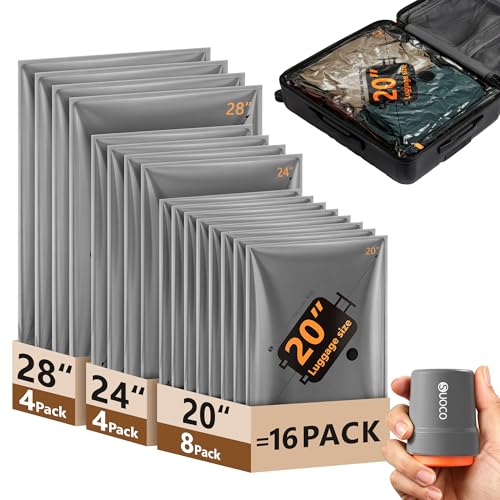
- Use packing cubes to maximize space in either type.
- Do not store luggage with moisture inside; dry it fully to prevent odor.
- Remove luggage tags and old airline stickers that may confuse baggage systems.
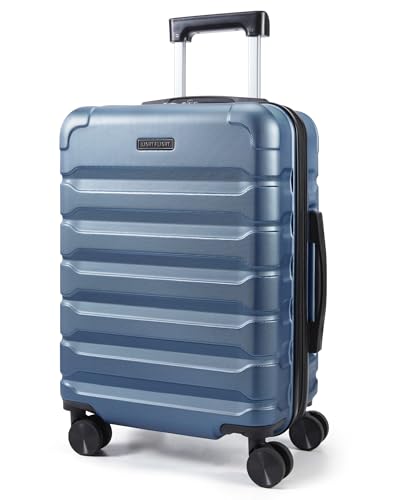
For most flyers, a lightweight hardside carry-on such as the Samsonite Freeform or the Delsey Paris Helium Aero suits travelers who want low weight and scuff resistance, a softside like the Travelpro Maxlite suits those who want expandable space and outer pockets, and premium options such as the Away Carry-On or Briggs & Riley Baseline suit frequent travelers who want warranties and refined design.
Our top picks
As an Amazon Associate we earn from qualifying purchases at no extra cost to you.
At a Glance: Lightweight Luggage Compared
| Model | Type | Best for | Limits |
|---|---|---|---|
| Samsonite Freeform | Hardside spinner | Budget-to-mid shoppers who want a light shell | Hard shells show scratches; no outer pockets |
| Delsey Paris Helium Aero | Hardside spinner | Travelers focused on low weight | Interior is less structured than premium rivals |
| Travelpro Maxlite | Softside spinner | Flyers who want outer pockets and expansion | Fabric can stain; less impact protection for fragile items |
| Away Carry-On | Hardside spinner | Design-minded frequent flyers | Premium tier; no expansion on standard model per the maker’s lineup |
| Briggs & Riley Baseline | Softside | Heavy use and long warranty seekers | Premium tier; heavier than ultralight picks |
| Monos Carry-On | Hardside spinner | Style-conscious buyers who want modular accessories | Premium tier |
The makers publish empty weight and dimensions on their product pages. Compare those numbers rather than relying on marketing words like “ultralight,” because a bag that is light by one brand’s standard may be average by another’s.
What “Lightweight” Really Means
Weight versus airline limits
Weight limits for carry-on bags vary by airline and fare class, and many international and low-cost carriers enforce them. A lighter empty bag leaves more room for your belongings under the limit. Carry-on size limits are also set by each airline, so check before you buy, particularly if you will fly on regional or international carriers with smaller allowances.
Hardside versus softside
Hardside shells, usually made from polycarbonate or similar materials, protect contents from impact and resist rain. They can scuff, and they do not stretch to fit extra items. Softside bags, usually nylon or polyester, flex to squeeze into tight bins, often offer exterior pockets for quick access, and sometimes expand for extra space. Both can be light; the best choice depends on whether you value protection or access.
Wheels and handles
Four-wheel spinners glide in the airport and are easy to maneuver down aisles, but wheels on uneven pavement can be less stable than two-wheel designs. Check that the handle locks at several heights and does not wobble. Wheel quality is often where cheaper bags show wear first.
Zippers and closure
Large, sturdy zippers matter more than any marketing claim. Some bags offer lockable zippers; if you want TSA-recognized locks for US travel, check that the bag supports them according to the maker.
Interior layout
Compression straps, dividers, and a zipped pocket for small items keep things tidy. Premium bags often include thoughtful organization; budget bags offer a simple clamshell.
Budget Tiers
Budget tier
Samsonite and Delsey offer well-known lightweight lines at friendlier levels. Expect a lighter shell and basic interior, with a plain handle and standard wheels.
Mid-range tier
Travelpro’s Maxlite and similar softside lines sit here. They typically add features such as expandable zippers and exterior pockets while keeping weight down.
Premium tier
Away, Monos, and Briggs & Riley sit at the top. You pay for warranty coverage, build quality, and design. Briggs & Riley is widely known for a lifetime-style repair program as described by the maker; read the current terms on the maker’s site to understand what is covered.
Fit, Size and Care Notes
- Measure your airline’s carry-on limits and compare them with the bag’s outside dimensions, including wheels and handles.
- Do not overpack a hardside; forcing the zipper can damage the shell and the closure.
- Wipe hard shells with a damp cloth; spot-clean softside fabric with mild soap, following the care tag.
- Use packing cubes to maximize space in either type.
- Do not store luggage with moisture inside; dry it fully to prevent odor.
- Remove luggage tags and old airline stickers that may confuse baggage systems.
Pick X If… Decision Table
| Pick this | If you… |
|---|---|
| Samsonite Freeform | want a light hardside at an accessible tier |
| Delsey Paris Helium Aero | prioritize low weight above extras |
| Travelpro Maxlite | want outer pockets and expansion in a softside |
| Away Carry-On | want a polished design and a strong warranty |
| Briggs & Riley Baseline | travel for work and want long-term durability |
| Monos Carry-On | want a stylish, modular system |
Alternatives
- Carry-on backpacks and duffels: Lighter than most wheeled bags and flexible with tight cabin spaces, but harder on shoulders.
- Convertible wheeled backpacks: Roll through airports and carry like a pack on stairs; they add weight from the frame and wheels.
- Underseat bags: Avoid the overhead bin entirely, useful on short trips or on carriers that charge for larger carry-ons.
Packing Strategy for a Lightweight Bag
Start with weight, not volume
A light suitcase makes little difference if it is filled with heavy items. Weigh your packed bag at home with a bathroom scale or a luggage scale, then trim until you are comfortably under your airline’s limit. Heavy items such as shoes and toiletries add up quickly, so keep them to the minimum.
Distribute weight sensibly
Place heavier items near the wheels and the back panel, so the suitcase stays stable when upright and rolls smoothly. In softside bags, use outer pockets for items you need at security, such as a liquids pouch and travel documents.
Use compression and cubes
Packing cubes organize clothes and compress soft items. Do not overcompress, since tight packing strains zippers and may push the bag past size limits when it bulges.
Warranty and Repair Considerations
Luggage takes a beating from conveyor belts and baggage handling. Makers such as Away, Briggs & Riley, and Samsonite publish warranty terms on their sites, and coverage differs widely: some cover manufacturing defects only, while others cover repairs for wear and tear. Read what is covered, how claims are handled, and whether airline damage is included. A modest bag with a clear repair path can be better value than a stylish one that is hard to fix.
Questions to Ask Before You Buy
- What are the exact outside dimensions, including wheels and handle?
- What is the empty weight listed by the maker?
- Does the bag expand, and does expansion push it past airline limits?
- Are the wheels replaceable or repairable?
- Can the zipper pulls be locked?
- Is there a laundry bag, garment fold, or compression system included?
- How long is the warranty, and what does it exclude?
Answering these questions before purchase prevents the most common frustrations, such as a bag that is a few centimeters too big for a budget airline or a shell that cracks under ordinary handling.
Battery Rules and Smart Luggage
Some suitcases include removable power banks or built-in trackers. Aviation authorities set rules on lithium batteries in luggage, and many airlines require removable batteries to travel in the cabin. If you consider a bag with electronics, read the maker’s guidance and your airline’s policy first, or choose a conventional bag and add a separate tracker tag.
Frequently Asked Questions
How light should a carry-on suitcase be?
There is no single number, because airline allowances differ. A lower empty weight simply leaves more allowance for belongings. Compare the maker’s stated weights and your airline’s limit.
Is hardside or softside better for flying?
Hardside offers better impact protection and weather resistance, while softside offers flexibility, outer pockets, and sometimes expansion. Choose by how you pack and what you carry.
Do lightweight suitcases break easily?
Not necessarily, but thin materials and small wheels can wear faster with heavy use. Look at warranty terms and read reviews about wheel and handle durability.
Can I use any lock on my suitcase?
For US travel, TSA-recognized locks let inspectors open the bag without cutting it. Check that your bag’s zipper design is compatible, and read the maker’s instructions.
How do I know if a bag fits my airline?
Look up your airline’s carry-on dimensions and weight limit, then compare them with the bag’s exterior size, including wheels and handles. Policies can change, so confirm shortly before you fly.
Is a premium suitcase worth it?
If you fly often, better wheels, zippers, and a strong warranty may pay off over time. For occasional trips, a mid-range bag usually covers the need.




