Key takeaways
- If you lock a bag, use a lock marked as recognized by the TSA. Officers can open these without cutting them. Unrecognized locks may be removed or broken during inspection.
- Lithium batteries belong in carry-on bags under TSA and FAA rules. Spare batteries should be protected from short circuits, for example in their original cases or with tape over the terminals. Follow your airline’s rules on watt-hour limits.
- Hard cases with pressure valves handle cabin pressure changes more easily. Leave the valve open unless the maker says otherwise.
- Keep memory cards, a small kit, and your passport on your body in case a bag is delayed.
For most travelers, a camera backpack that fits airline carry-on limits suits mixed gear best, a hard-shell case such as the Pelican 1510 suits fragile or expensive kits, and a padded insert like the Peak Design Camera Cube suits people who already own a good everyday bag. One point first: the TSA does not certify or “approve” camera cases. What the agency does is screen bags, and it recognizes certain locks that its officers can open with a universal key. So “TSA approved” in a product title usually means the case is built to pass screening comfortably, or that it ships with a lock designed for that system. This guide uses the phrase in that practical sense.
Our top picks


As an Amazon Associate we earn from qualifying purchases at no extra cost to you.
What “TSA friendly” actually means for a camera case
Camera gear is screened like any other carry-on. Officers may ask you to remove larger electronics, and they can open any bag that raises questions. A case that opens quickly, lets you lift gear out without unpacking everything, and uses an organizer that can be removed in one piece makes screening less stressful. Hard cases with a pressure relief valve and a latch that accepts a recognized padlock are also common choices for checked bags, though most photographers keep bodies and lenses in the cabin.
Airlines, not the TSA, set cabin size and weight limits. Many US carriers publish a limit near 22 by 14 by 9 inches for a standard carry-on, while some international and regional carriers use smaller dimensions and a lower weight cap. Read the carrier’s own baggage page before you buy, because camera cases are dense and weight limits are where travelers get caught.
Quick comparison
| Option | Type | Best for | Key stated traits | Limits |
|---|---|---|---|---|
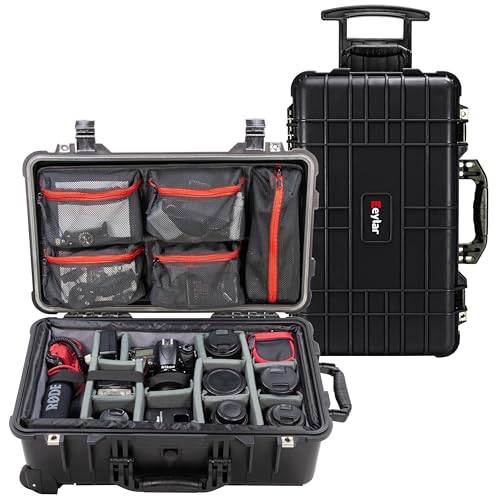
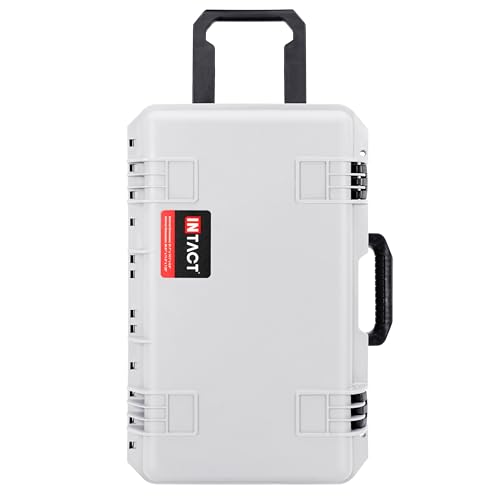
| Pelican 1510 | Hard rolling case | Fragile or high-value kits | Maker describes it as a carry-on sized protective case with wheels, a pull handle, a pressure valve, and padlock-ready latches | Heavy when empty; limited access in crowded cabins |
| Pelican Air 1535 line | Lighter hard case | Hard-shell protection with less weight | Maker positions the Air range as lighter than classic Pelican cases | Costs more than basic hard cases; check the airline’s limit for your size |
| Peak Design Camera Cube | Padded insert | Turning any bag into a camera bag | Maker lists structured padded cubes in several sizes with adjustable dividers | No outer shell; protection depends on the host bag |
| Think Tank Airport series | Rolling and backpack cases | Frequent flyers with large kits | Maker designs the line specifically for airline cabin use, with lockable zippers on several models | Model lineup changes; sizes vary widely |
| Lowepro ProTactic backpacks | Camera backpack | Mirrorless and DSLR kit plus laptop | Maker lists a modular interior, a laptop sleeve, and a rain cover on many models | Soft shell, so less crush protection than a hard case |
| Tenba and Vanguard backpacks | Camera backpack | Budget to mid-range carry | Padded dividers and a laptop pocket in most models | Fit varies by camera body and lens length |
Hard rolling cases: Pelican 1510 and similar
The Pelican 1510 is probably the best known protective case in this size class. The maker describes it as built for carry-on use, with a polymer shell, wheels, a telescoping handle, a pressure equalization valve, and latches that accept padlocks. Photographers who carry a camera body, two or three lenses, a flash, and accessories often choose it for field work, because it can be dropped, stacked, or left in a vehicle without much worry.
The trade-offs are weight and access. A hard case is heavy before you add any gear, and many airlines enforce a weight limit on carry-on bags. You also cannot use it as a quick-access shoulder bag at the destination. Reviewers often suggest pairing a hard case with a small sling or day bag for shooting, then using the case for transit and hotel storage.
The lighter Pelican Air line trades some mass for a different shell construction, according to the maker. If you plan to carry the case through airports daily, the weight savings may matter more than the extra rigidity. If you only fly occasionally, the standard case is a simpler choice.
Camera backpacks: the practical middle
For most travelers, a dedicated camera backpack is the easiest way to move gear through an airport. You wear the weight, you keep both hands free, and the bag usually fits under an airline seat or in an overhead bin. Look for a side or rear-access panel so you can reach the camera without setting the pack on a dirty floor, a laptop sleeve if you edit on the road, and an expandable top section for a jacket or snacks.
Lowepro’s ProTactic range is frequently cited by reviewers for its modular interior and its balance of capacity and carry-on compatibility. Think Tank’s Airport series was created specifically for cabin use, with designs that emphasize lockable zippers and a shape that suits overhead bins. Tenba and Vanguard offer cheaper alternatives that are fine for lighter kits.
Capacity labels are not standard across brands. A bag listed as holding “two bodies and four lenses” may assume compact primes, so compare the interior dimensions with your longest lens, including the hood. Telephoto zooms in particular tend to fit only in the largest bags.
Padded inserts: the lightweight route
If you already own a travel backpack or messenger bag you like, an insert such as the Peak Design Camera Cube may be the cleanest answer. The maker lists several sizes with adjustable dividers and a soft, structured shell. You pull the cube out for screening, then slide it back in. It also keeps a normal bag from looking like camera gear, which some travelers prefer.
The weakness is protection. An insert cushions against everyday knocks inside a bag, but it will not survive a crushing force like a hard case. Pack it where nothing heavy can press on it, and avoid checking it in a soft-sided suitcase.
Locks, valves and checked-bag notes
- If you lock a bag, use a lock marked as recognized by the TSA. Officers can open these without cutting them. Unrecognized locks may be removed or broken during inspection.
- Lithium batteries belong in carry-on bags under TSA and FAA rules. Spare batteries should be protected from short circuits, for example in their original cases or with tape over the terminals. Follow your airline’s rules on watt-hour limits.
- Hard cases with pressure valves handle cabin pressure changes more easily. Leave the valve open unless the maker says otherwise.
- Keep memory cards, a small kit, and your passport on your body in case a bag is delayed.
Budget tiers
- Budget: Basic camera backpacks from brands such as Vanguard or Tenba, or a generic padded insert. Good for a mirrorless body and a few lenses.
- Mid-range: Lowepro ProTactic or similar modular backpacks and Peak Design cubes. This tier gives the best mix of access, organization, and carry-on size.
- Premium: Pelican hard cases and Think Tank rolling cases. These suit expensive kits, long trips, and people who accept extra weight for protection.
Pick X if…
| If you are… | Pick | Why |
|---|---|---|
| A hobbyist with one mirrorless body | Padded insert in your own bag | Light, discreet, and affordable |
| A traveler who shoots daily and hikes | Camera backpack with side access | Easy to carry and quick to reach |
| A professional moving expensive gear | Pelican 1510 or a Think Tank roller | Maximum shell protection and organized interior |
| Flying on a smaller regional carrier | Compact backpack under the seat | Smaller cabin limits and weight caps are common |
| Checking the gear in a suitcase | Hard case with recognized padlock | Better crush protection; though most experts advise keeping camera bodies in the cabin |
Alternatives to consider
- Standard travel backpack with a camera insert: The most flexible option, since the pack also works for non-photo trips.
- Sling or shoulder camera bag: Good as a day bag at the destination, paired with a larger bag for transit.
- Hard-shell hybrid cases from other makers: Brands such as Nanuk and Vanguard offer cabin-sized hard cases that compete with the Pelican range.
Frequently Asked Questions
Does the TSA approve camera cases?
No. The TSA does not certify bags or cases. It only recognizes certain locks that officers can open with a master key, so “TSA approved” on a case normally refers to a lock or to general screening compatibility.
Can I carry a camera and lenses in my carry-on?
Yes, and most photographers do. Camera bodies, lenses, and accessories are allowed in the cabin, and keeping them with you avoids the rough handling of checked baggage. Officers may ask you to remove large items for screening.
Should I lock my camera case?
A lock deters casual tampering, but it is not required for carry-on bags. If you do lock a checked case, use a TSA-recognized lock so inspectors can open it without damage.
How do I handle spare camera batteries?
Spare lithium-ion batteries are generally required to travel in the cabin, not in checked bags. Protect the terminals and check your airline’s rules for batteries over the stated watt-hour limits.
Is a hard case or a backpack better for flying?
A backpack is better for mobility and staying under weight limits, while a hard case is better for protecting costly or fragile equipment. Many travelers use both, with the hard case for transit and a small bag for shooting.
Will my case fit in the overhead bin?
That depends on the airline and the aircraft. Compare the case’s external dimensions with your carrier’s published limits, and remember that smaller regional jets often have tighter bins.