
Key takeaways
- Noise cancelling lowers cabin noise, which lets you listen at lower volume. Keep volume at a comfortable level to protect hearing.
- Use transparency mode when you need to hear announcements or walk through busy terminals.
- Airlines generally require electronics in airplane mode or flight mode; Bluetooth is usually allowed once the crew approves, but follow cabin instructions.
- Carry headphones in the cabin; lithium batteries should not travel in checked baggage under airline safety rules.
- Wipe ear pads with a slightly damp cloth, and replace them when worn, following the maker’s guidance.
- If you notice ear pain, ringing or hearing changes, stop using them and see a doctor or audiologist.
For most frequent flyers, the Sony WH-1000XM6 or the Bose QuietComfort Ultra Headphones are the over-ear models to shortlist first for strong noise cancelling on planes, while Apple AirPods Max suit iPhone owners who value ecosystem features, and in-ear options such as AirPods Pro or Sony WF-1000XM5 suit travellers who prefer a smaller case and lighter carry. Your best pick depends on your phone, whether you sleep in-flight with them on, and how much you value battery life and a compact case.
Our top picks



As an Amazon Associate we earn from qualifying purchases at no extra cost to you.
At a Glance: Travel Headphones Compared
| Model | Type | Best for | Key points from the maker or reviewers | Limits |
|---|---|---|---|---|
| Sony WH-1000XM6 | Over-ear | Strongest all-round travel choice | Sony lists adaptive noise cancelling, multipoint Bluetooth and a foldable design; reviewers praise noise reduction | Premium tier |
| Bose QuietComfort Ultra Headphones | Over-ear | Comfort on long flights | Bose lists immersive audio and custom noise cancelling modes; reviewers highlight comfort | Premium tier; bulkier case |
| Apple AirPods Max | Over-ear | iPhone and Mac users | Apple lists active noise cancellation, spatial audio and a USB-C charging port on the current version | Heavy; case is minimal |
| Sennheiser Momentum 4 Wireless | Over-ear | Battery life and sound | The maker lists very long battery life for its category | Noise cancelling is less strong than top rivals according to some reviewers |
| Bose QuietComfort Headphones | Over-ear | Mid-range tier | Maker positions it below Ultra with strong noise cancelling | Fewer features |
| Apple AirPods Pro / Sony WF-1000XM5 / Bose QC Ultra Earbuds | In-ear | Light packers | Compact cases and active noise cancelling | Seal quality depends on ear fit |
What Matters Most for Travel Headphones
Noise cancelling strength
Active noise cancelling uses microphones to cancel steady low-frequency sounds such as engine hum. It reduces rather than eliminates cabin noise, and it handles voices and sudden sounds less well. Reviewers who measure performance, such as RTINGS and Wirecutter, often find top over-ear models cancel more than earbuds, but ranking changes with each generation, so look at current reviews for the exact model.
Comfort over long flights
Weight, clamping force and ear-cup depth decide comfort. Over-ear models that sit lightly on the head suit people who wear them for ten hours. Glasses wearers should look for soft, thick pads. In-ear models feel lighter but can cause fatigue if the seal is tight, so try different ear-tip sizes.
Battery life and charging
Makers typically list battery life in hours with noise cancelling on. Many premium over-ears state around 30 hours or more, which covers long-haul flights without charging. A quick-charge feature, where a few minutes of charging gives hours of playback, is valuable when you forget to charge before leaving. Always check whether the stated figure is with noise cancelling enabled.
Call quality and connectivity
Multipoint Bluetooth lets you pair with a phone and laptop at once. Microphone quality matters for work calls from lounges. Check codec support if you use an Android phone, because LDAC, aptX and AAC differ, and iPhone users benefit from AAC support.
Wired option and in-flight entertainment
Some seats still use two-prong audio jacks, and a wired option helps when the battery runs out. Many travel headphones include a 3.5 mm cable. Bluetooth transmitters, sold separately, let you connect wireless headphones to seat-back screens on planes that lack Bluetooth.
Case and packing
Over-ears fold flat or swivel to fit in a carry case. Sony and Bose cases are sized for a bag pocket, while AirPods Max use a slimmer Smart Case that offers less protection according to reviewers. Earbuds win on size, since the case fits in a pocket.
Detailed Notes on the Main Picks
Sony WH-1000XM6
Sony’s flagship over-ear line has long been a travel favourite. The XM6, released in 2025, is described by the maker as having improved noise cancelling processing, a refreshed foldable design and multipoint connection. Reviewers generally rank its cancelling and call quality among the best available. It sits in the premium tier. The previous generation, the WH-1000XM5, may be available at a lower tier if the new model is above your budget.
Bose QuietComfort Ultra Headphones
Bose focuses on comfort and powerful noise cancelling. The maker lists immersive audio and a choice between quiet and aware modes. Reviewers often say these are among the most comfortable for long flights. The case is on the bulkier side, so check your carry-on space. Bose has also released a refreshed generation, so confirm which version you are buying on the maker’s page.
Apple AirPods Max
Apple’s over-ear model integrates tightly with iPhone, iPad and Mac, offering quick pairing and spatial audio. The current version charges via USB-C according to Apple. Reviewers note its weight and the minimal Smart Case. For iPhone owners who value seamless switching, it is a reasonable option, but travel-focused reviewers often prefer Sony or Bose for pure noise cancelling.
Sennheiser Momentum 4 Wireless
The maker lists exceptionally long battery life, up to around 60 hours in its specifications. Reviewers praise sound quality and battery life. Some find that its noise cancelling does not match the best from Sony and Bose, so it suits long trips where charging is hard, rather than loud airline cabins.
Bose QuietComfort Headphones: mid-range option
This model sits below the Ultra line in features but keeps Bose’s noise cancelling heritage. It is a sensible step down for travellers who want strong cancelling without the premium tier.
In-ear alternatives
Apple AirPods Pro, Sony WF-1000XM5 and Bose QuietComfort Ultra Earbuds are widely reviewed for their cancelling. They suit light packers, sleepers who sleep on their side and anyone who finds over-ears hot. Fit is critical: if the tip does not seal, cancelling drops sharply. Test tip sizes and check the case battery life.
Pick X If… Decision Table
| If you… | Pick | Why |
|---|---|---|
| Want the strongest all-round travel set | Sony WH-1000XM6 | Reviewers rank its cancelling and calls highly |
| Prioritise comfort on long hauls | Bose QuietComfort Ultra Headphones | Comfort-focused design |
| Use iPhone and Mac | Apple AirPods Max or AirPods Pro | Ecosystem integration |
| Need very long battery life | Sennheiser Momentum 4 Wireless | Maker lists up to around 60 hours |
| Want mid-range tier | Bose QuietComfort Headphones | Strong cancelling without premium features |
| Pack minimal gear | Earbuds such as Sony WF-1000XM5 | Small case, easy sleeping |
Budget Tiers Explained
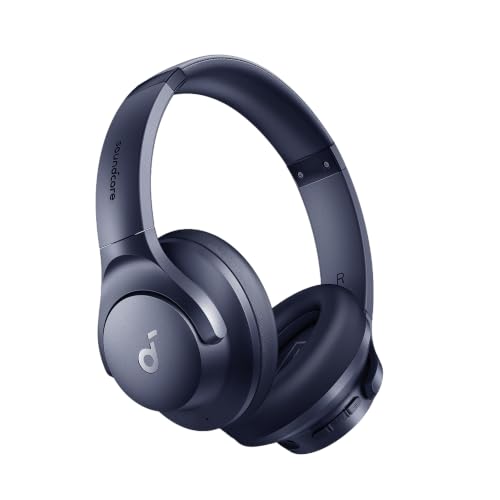
Budget tier: brands such as Anker Soundcore sell noise cancelling headphones that reviewers describe as acceptable for the tier, with weaker cancelling and call quality than the leaders. Mid-range: previous-generation Sony and Bose models and the Bose QuietComfort Headphones are often discussed here. Premium: the Sony XM6, Bose Ultra and AirPods Max offer the strongest features. Buying the previous generation often delivers most of the benefit at a lower tier.
Safety and Care Notes
- Noise cancelling lowers cabin noise, which lets you listen at lower volume. Keep volume at a comfortable level to protect hearing.
- Use transparency mode when you need to hear announcements or walk through busy terminals.
- Airlines generally require electronics in airplane mode or flight mode; Bluetooth is usually allowed once the crew approves, but follow cabin instructions.
- Carry headphones in the cabin; lithium batteries should not travel in checked baggage under airline safety rules.
- Wipe ear pads with a slightly damp cloth, and replace them when worn, following the maker’s guidance.
- If you notice ear pain, ringing or hearing changes, stop using them and see a doctor or audiologist.
Alternatives Worth a Look
- Foam earplugs plus sleep mask: inexpensive and light, though less effective on engine drone.
- Bluetooth transmitter: lets you use wireless headphones with older seat-back screens.
- Budget ANC headphones: for occasional travellers who do not need top performance.
Frequently Asked Questions
Are over-ear or in-ear headphones better for flights?
Over-ear models usually cancel more noise and feel more cushioned, while in-ear models are smaller and easier to sleep in. Choose over-ear for long-haul comfort and noise, and in-ear if packing space matters most.
Do noise cancelling headphones block all airplane noise?
No. They mainly reduce steady low-frequency noise such as engine drone, and are less effective on voices or sudden sounds. Turning them on typically makes the cabin noticeably quieter without silencing it.
How much battery life do I need?
For long-haul flights, look for headphones that list around 30 hours or more with noise cancelling on, or a quick charge feature. Always check the maker’s specification, because figures differ with and without noise cancelling.
Can I use Bluetooth headphones on a plane?
Most airlines allow Bluetooth headphones in flight mode with Bluetooth switched on, but follow crew instructions. Seat-back screens may need a wired connection or a transmitter.
Is the previous generation still worth buying?
Often yes. Previous-generation headphones from Sony and Bose may be available at a lower tier and still provide strong cancelling. Compare features such as multipoint and microphone quality before choosing.
Are noise cancelling headphones safe for my hearing?
They can help you listen at lower volumes in noisy places. Keep volume moderate and take breaks. If you experience discomfort or hearing changes, see a doctor.




