Key takeaways
- Wash the bottle and lid regularly, including the gasket and straw, to avoid odor and mold.
- Check whether the maker allows dishwashing. Some insulated bottles with powder coatings are labeled hand-wash only.
- Do not freeze a full bottle unless the maker says it is allowed, because expanding ice can damage the body.
- Be careful with hot liquids and sealed lids: pressure can build up. Follow the maker’s guidance for hot drinks.
- Do not use a dented bottle for hot liquids if the dent has damaged the vacuum seal; insulation may be reduced.
For most travelers, a Hydro Flask suits everyday carrying, a YETI Rambler suits people who want maximum durability and hot-drink performance, an Owala FreeSip suits those who want a value-priced leak-resistant lid, and a Stanley suits car and cupholder use more than a packed bag.
Our top picks


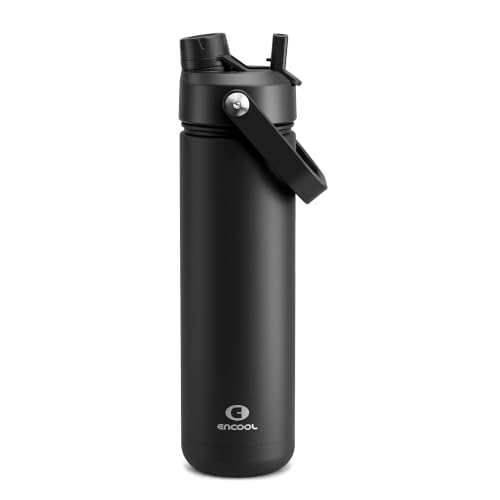

As an Amazon Associate we earn from qualifying purchases at no extra cost to you.
At a Glance: Insulated Bottles Compared
| Bottle | Best for | What reviewers report | Limits |
|---|---|---|---|
| Hydro Flask Wide Mouth | Everyday carry, backpacks | GearJunkie names the 40 oz Wide Mouth its best overall; OutdoorGearLab praises leak resistance, slim shape and insulation | CNN reports it is less durable than the YETI |
| YETI Rambler | Durability, hot drinks | CNN’s reviewer called it the most durable bottle in its group; another outlet reports good leak resistance | Highest cost tier |
| Stanley Quencher / IceFlow | Car cupholders, straw sipping | One comparison reports strong cold retention for the 40 oz Quencher | Reports of poor leak resistance when tipped; bulky for bags |
| Owala FreeSip | Value, one-handed drinking | Several roundups rate its two-way lid highly for the price | Lid has more parts to clean |
| Simple Modern | Budget tier | Listed as a low-cost pick in roundups | Less proven durability |
| ThermoFlask | Budget tier | Listed as a low-cost pick in roundups | Basic lids |
Retention times, such as the 30 to 40 hours of cold reported for a 40 oz Stanley Quencher in one comparison, depend on test conditions, ice amount, and lid. Treat them as relative guides, not guarantees.
What to Look for in a Travel Bottle
Leak resistance
A bottle that rolls around in a bag needs a lid that stays shut. Screw-on caps with gaskets and straw lids with a locking closure are generally more secure than flip-top designs. Reviewers specifically flag leaks on some Stanley tumblers when tipped, while Hydro Flask’s updated lid and the YETI’s closure are praised for leak resistance.
Size and weight
Larger bottles hold more but are heavy when full. Many travelers choose between 20 and 32 ounces for days out and use a bigger bottle only for road trips. Check that the bottle fits your backpack’s side pocket and your car’s cupholder; wide tumblers often do not.
Opening style
Wide-mouth bottles accept ice cubes and are easier to clean, while narrow-mouth bottles are easier to sip from. A straw lid helps with sipping on the move; a chug cap is better for fast drinking.
Insulation claims
Makers list how long drinks stay hot or cold. Those figures come from the maker’s own testing and vary with the fill level, ambient heat, and how often the lid is opened. Independent outlets generally find well-made stainless steel double-wall bottles keep drinks cold for many hours and hot for several.
Airport security
Empty your bottle before going through security and refill it at a fountain or refill station on the other side. Bring a bottle with a wide mouth so refilling from low faucets is easy.
Budget Tiers
Budget tier
Simple Modern and ThermoFlask are named in roundups as low-cost choices. They offer double-wall insulation and a range of colors, with trade-offs in lid quality and durability.
Mid-range tier
Owala and Hydro Flask sit here. Owala wins on lid design for the price, per several outlets, while Hydro Flask offers a slim shape and a long history of reliability.
Premium tier
YETI commands the highest prices consistently, per reviewers, and earns that with a reputation for toughness. Dents and scuffs are less common on its bottles after heavy use, according to one outlet’s two-year assessment.
Care and Safety Notes
- Wash the bottle and lid regularly, including the gasket and straw, to avoid odor and mold.
- Check whether the maker allows dishwashing. Some insulated bottles with powder coatings are labeled hand-wash only.
- Do not freeze a full bottle unless the maker says it is allowed, because expanding ice can damage the body.
- Be careful with hot liquids and sealed lids: pressure can build up. Follow the maker’s guidance for hot drinks.
- Do not use a dented bottle for hot liquids if the dent has damaged the vacuum seal; insulation may be reduced.
Pick X If… Decision Table
| Pick this | If you… |
|---|---|
| Hydro Flask | want a reliable everyday bottle that fits backpacks |
| YETI Rambler | want durability and good hot-drink performance and accept the cost |
| Owala FreeSip | want a leak-resistant lid at a friendlier tier |
| Stanley Quencher | drink from a car cupholder and want a large straw tumbler |
| Simple Modern or ThermoFlask | want a budget backup bottle |
Alternatives
- Collapsible silicone bottles: Pack flat but do not insulate.
- Filter bottles: Useful where tap water quality is uncertain, but check what contaminants the maker says they handle.
- Insulated tumblers with lids: Better for coffee in a hotel room than for packing in a bag.
Choosing a Size for Different Trips
City breaks and day trips
A 16 to 24 ounce bottle is easy to carry and fits side pockets and cupholders in most bags. It is usually enough between refill stops in a city with public water fountains.
Hiking and beach days
For all-day activities in the sun, many people prefer 32 ounces or larger. The extra volume matters more than the final few degrees of insulation. Wide-mouth models take ice and are easier to clean, a plus when sand or dust gets in.
Road trips
Large tumblers with handles and straws are convenient in a car, where weight does not matter and a cupholder bears the load. Avoid tossing them loose into a bag.
Common Problems and Fixes
Lingering odor or taste
Soak the bottle with warm water and mild dish soap, scrub with a bottle brush, and rinse well. Some makers allow a diluted baking soda solution; follow the care instructions for your bottle. Dry the bottle with the lid off.
Condensation
Properly insulated double-wall bottles should not sweat on the outside. If one does, the vacuum seal may be compromised, often from a hard drop. Contact the maker about warranty options.
Loose or leaking lids
Check that the gasket sits properly in its groove, clean it of grime, and replace worn gaskets if the maker sells them. Do not overfill, particularly with fizzy or hot drinks.
Sustainability and Everyday Use
Reusable bottles replace many single-use plastic bottles over their life, and stainless steel can last for years with basic care. Many airports now offer refill stations, which makes an insulated bottle even more useful on long travel days. Choose a lid and color you are happy to use daily, because the bottle you enjoy using is the bottle you will carry. Keep a spare lid or straw if you travel a lot, since small parts wear out before the bottle does.
Water Quality While Traveling
An insulated bottle does not make water safe. In places where tap water is not suitable for drinking, use sealed bottled water, boil it, or use a treatment method approved by local health guidance, and then pour it into your bottle. Clean the bottle and lid thoroughly between destinations, because residue from sweet drinks, electrolyte mixes, or milk can build up and cause odors.
Frequently Asked Questions
Which insulated bottle is best for flying?
Choose a mid-size bottle with a secure lid that fits a bag pocket, since you must empty it for security. Hydro Flask and Owala are common choices because of their lids and sizes. Refill after security.
Are Stanley bottles good for travel?
They suit car trips and cupholders well. Reviewers report poor leak resistance when some models are tipped, so keep them upright rather than loose in a bag.
How long do insulated bottles keep drinks cold?
Makers cite many hours, and independent comparisons report up to a day or more in favorable conditions. Results depend on ice, ambient heat, and lid. Use the numbers as a rough guide.
Can I put hot drinks in any insulated bottle?
Not always. Some lids are designed only for cold drinks. Check the maker’s instructions and avoid filling to the brim.
Are insulated bottles dishwasher safe?
Some are, but powder-coated finishes may fade, and some makers advise hand washing. Follow the care label.
Is a more expensive bottle worth it?
If you travel often and drop bottles frequently, durability can justify a premium tier. For occasional use, a mid-range or budget bottle is often sufficient.