For checked baggage, an ATA-style hard case such as the Gator Flight Pro V3 or an SKB i-Series model is the usual choice, while frequent flyers who plan to carry on or gate-check often favor the Hiscox Pro II, and gigging players who stay local are better served by a padded bag like the Mono M80. The right pick depends on how the guitar travels: in the hold with baggage handlers, on a plane seat or overhead bin, or in the trunk of a car. This guide compares the cases reviewers mention most in 2026 and explains the fit, protection and airline points that matter.
Our top picks
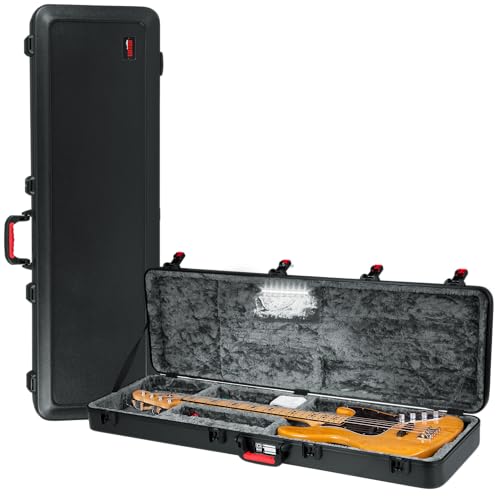


As an Amazon Associate we earn from qualifying purchases at no extra cost to you.
Guitar Flight Cases at a Glance
| Case | Best for | Key points from makers and reviewers | Limits |
|---|---|---|---|
| Gator Flight Pro V3 / TSA Series | Checked baggage on a moderate budget | Described by reviewers as ATA-style with TSA-accepted locks; the electric-guitar GTSA model is a frequent pick | A forum thread and some reviews call latches a weak point |
| SKB 1SKB-6 / 3i-Series | Touring musicians wanting a molded shell | Roundups describe ATA-specified construction; the i-Series is said to resist UV, corrosion and impact | Heavy; fit varies by guitar body shape |
| Hiscox Pro II | Experienced travelers, carry-on or gate-check | One guide says many traveling musicians use it for its balance of protection, weight and cost | Model must match your guitar; read the airline’s cabin rules |
| Mono M80 Vertigo | Local gigs and commuting | Padded, weather-resistant backpack-style case | Not an ATA flight case, so not intended for the baggage hold |
What “Flight Case” Really Means
The phrase is used loosely. A true flight case is built to survive being handled roughly, stacked and dropped, usually with a rigid outer shell, thick interior foam, reinforced corners and strong latches. ATA-style construction refers to a standard widely used in the music and cargo industries, but individual makers define how closely they follow it, so read the product specifications rather than relying on the label alone.
Some forum users argue that even popular molded cases are not true flight cases and are best used when you can gate-check or carry the guitar on board. That is a fair caution: a case can reduce risk but no case removes it. Loosening strings slightly, supporting the neck and padding the headstock area are common steps that experienced travelers mention, and you should follow the guitar maker’s care guidance for travel.
Choosing a Case That Fits
Match the case to the exact guitar
Guitar cases are shaped for specific body outlines. A dreadnought acoustic, a jumbo, a Stratocaster-style, a Les Paul-style and a hollow-body each need different interiors. Makers list compatible body styles on the product page, along with interior dimensions. Measure your guitar’s length, upper and lower bout widths and body depth, then compare. A loose guitar can shift in transit, while an over-tight case can pressure the finish and tuners.
Shell materials
Molded polyethylene and similar plastics resist moisture and impact without much weight. Plywood cases covered in vinyl or tolex look traditional and protect well, though they can be heavier and more vulnerable to water. Carbon or composite shells are lighter and pricier. For frequent flights, many reviewers lean toward molded shells for the combination of toughness and moderate weight.
Latches and locks
Latches are the part most often criticized. Look for metal latches with a firm closing action, and consider whether the case includes TSA-accepted locks, which let security officers open and relock without cutting. If a case does not come with them, check whether you can fit your own. Always confirm the current security rules of the airports you will use.
Interior padding and humidity
Thick foam around the headstock and neck joint matters most, because this is the weak point of many guitars. Some cases include a neck support block. Wooden instruments are sensitive to humidity and temperature swings, particularly acoustics. Humidity packs designed for guitars are widely sold, and the guitar maker’s manual typically explains what range is safe. If you are traveling between very different climates, allow the guitar to acclimate in its case before opening it.
Weight and handling
Airlines apply weight limits to checked bags and different size limits to carry-on items. A hard case adds several pounds before the guitar goes in. Check the case’s stated weight against your airline’s allowance, and keep any accessories light. Wheeled or backpack options exist for some models and help on long airport walks.
Budget Tiers
Budget
Basic hard cases and heavy-duty gig bags suit car travel and short trips. They are not designed for the baggage hold, so reviewers advise against treating them as flight protection. A padded bag can still be useful for carry-on if the airline allows it and the overhead space is available.
Mid-range
This is where Gator’s Flight Pro V3 and SKB’s molded cases sit. Reviewers describe them as the practical choice for checked baggage when you want ATA-style construction without paying for premium composites. Expect decent foam, TSA-style locks on some models and a fit that suits mainstream guitar shapes.
Premium
Hiscox and other specialist makers build lighter cases with careful interior shaping. They cost more, but their reputation among touring players is the reason many guides name them. Check that the model corresponds to your exact guitar, as the interiors are shape-specific.
Pick X If You Need Y
| Pick this | If you need |
|---|---|
| Gator Flight Pro V3 or GTSA | A mid-range case for checking an electric or acoustic guitar |
| SKB 1SKB-6 or 3i-Series | A molded, touring-style shell, accepting added weight |
| Hiscox Pro II | A lighter, specialist case for carry-on or gate-check travel |
| Mono M80 Vertigo | A weather-resistant bag for local gigs, not for the hold |
| A gig bag with backpack straps | Short trips and rehearsals where weight matters most |
Airline and Packing Notes
Airline policies on guitars differ. Some allow small guitars in the cabin if space exists, while others require checking or buying a seat for the instrument. Rules also change, so read the carrier’s current instrument policy and, where possible, get written confirmation. In the United States the federal rules on musical instruments in cabins exist, but they depend on size and available space, so a hard flight case is often too large for the overhead bin.
When packing, loosen the strings a little, not fully, so the neck is not under maximum tension, and keep the guitar maker’s advice in view. Fill empty gaps in the case with soft cloth rather than heavy objects, and avoid placing loose accessories such as capos or metal tools where they can press on the finish. Remove or secure any strap pegs that stick out, and photograph the guitar before you travel in case you need to make a claim.
If you check the guitar, consider a luggage tag with contact details on the case itself and inside it. Insurance for musical instruments is a separate product from standard travel cover, so check your policy terms.
Alternatives to Consider
- Travel guitars: Compact instruments from several makers fit in overhead bins and often come with a dedicated soft or hard case.
- Hybrid flight bags: Padded cases with a semi-rigid shell offer a middle path for carry-on use.
- Renting or borrowing at the destination: For short trips, avoiding the journey with your instrument may be the lowest-risk option.
Frequently Asked Questions
Is a hard case enough to check a guitar?
A well-built ATA-style case reduces risk but does not eliminate it. Even reviewers who like Gator and SKB cases note that latches and handling can still be issues. Padding the headstock area and loosening the strings slightly are common extra steps.
Can I carry a guitar on board instead?
Often yes, but it depends on the airline, aircraft and available overhead space. Most hard flight cases are too large for the bin, so carry-on travelers usually choose a lighter, smaller case or a travel guitar. Read the airline’s instrument policy before you fly.
Do I need TSA locks?
They are helpful if you check the case in the United States, because officers can open and relock them without cutting. Some cases include them and some do not. Read the security guidance for the airports on your route.
Will the case protect my guitar from humidity changes?
A case slows the change but does not stop it. Guitar humidity packs and the guitar maker’s care instructions help. After arriving in a different climate, let the guitar sit closed in its case for a while before opening it.
How do I know the case fits my guitar?
Compare your guitar’s length, body widths and depth to the interior dimensions the maker lists. Choose a model sold for your specific body style. If the guitar rattles or is squeezed, it is the wrong shape.
Is a gig bag ever acceptable for flying?
Padded gig bags like the Mono M80 are built for commuting and local gigs, not baggage handling. Some travelers use them on board when the airline allows. They are not a substitute for a hard case in the hold.