Key takeaways
- Samsonite vs Travelpro luggage compared: range, weight, warranty, pockets and best uses, plus a 6-point checklist to choose the right bag before you buy.
For most travelers the practical answer is this: Travelpro tends to suit people who value a work-oriented, feature-focused bag for frequent trips, while Samsonite suits shoppers who want a wider choice of sizes, styles and shell materials. Both are long-established brands, and the right pick depends more on the specific model than on the logo. This comparison is written by the Editorial team using published specifications, manufacturer documentation and general knowledge. Lines change often, so check current specifications before buying.
Short Verdict
If you fly weekly and want a bag built around organization, handling and easy upkeep, start with Travelpro and see whether a model fits your airline’s carry-on limits. If you travel less often, want hardside options in several colors, or need a matching set from carry-on to large checked sizes, Samsonite’s broader catalog is a natural place to begin. If neither description fits you, ignore the brand and shop by the criteria later in this guide.
Where Each Brand Comes From
Samsonite is one of the best-known luggage companies in the world, with a long history, a large global presence and many sub-lines at different price points. That breadth is both a strength and a trap: two bags with the same name can differ a lot in materials and construction.
Travelpro is widely credited with popularizing the upright, wheeled “rollaboard” style that many travelers now consider normal. Its marketing leans toward pilots, flight attendants and business travelers, so features like handle systems, zip quality and organization are central to the pitch.
Side-by-Side Comparison
The table below shows general tendencies only. Individual products overlap and exceptions are common.
| Factor | Samsonite | Travelpro |
|---|---|---|
| Range of styles | Very wide, with hardside, softside and mixed designs | Narrower, with a focus on travel-ready softside and some hardside |
| Typical audience | Casual to frequent travelers and families | Frequent flyers and business travelers |
| Set options | Often sold in matching sets | Available, though singles are common |
| Interior organization | Varies widely by line | Often more structured pockets and dividers |
| Warranty | Varies by line and region | Varies by line and region |
| Weight | Includes some very light models | Mixed, depending on line |
Treat the table as a starting hypothesis, then confirm each row against the exact bag you are considering.
Use-Case Picks
Weekly business travel. A softside carry-on with an outer pocket for a laptop sleeve and documents is typically more convenient than a clamshell hardside, because you can reach items without opening the whole bag. This is the area where Travelpro’s reputation is strongest.
Family vacation. Hardside spinners in matching sizes are easy to identify on a carousel, and rigid shells protect fragile souvenirs. Samsonite’s variety makes this simple to assemble, though check each piece’s weight against checked-bag limits.
Occasional flyer on a budget. Both brands have entry-level lines. For infrequent trips, a mid-range bag with a decent warranty may serve better than an expensive one.
Carry-on only for long trips. Prioritize a low empty weight and compact exterior dimensions, because the bag’s own weight eats into your allowance.
Worked Example: Comparing Two Bags the Right Way
Imagine you are choosing between two 22-inch carry-ons. Bag A weighs 7.5 lb empty with a fixed handle, Bag B weighs 9 lb empty with an expandable zipper. An airline caps carry-on weight at 15 lb (assumed for this example). Bag A leaves 7.5 lb for contents and Bag B leaves 6 lb. That 1.5 lb difference is roughly a pair of shoes or a toiletry kit.
Now factor in expansion. If Bag B’s expansion zipper makes it exceed size limits when open, you may need to keep it closed, which erases its advantage. This simple subtraction beats comparing brand names, and it works with any model you consider. Use the real listed weights and your carrier’s current limits in place of the sample figures.
What to Check Before Buying
- Exterior size including wheels and handle. Compare with your airline’s posted limits.
- Empty weight. Lower is generally better for carry-ons, though very light bags can feel less sturdy.
- Wheels. Spinner wheels glide in any direction but can roll away on slopes; two-wheel inline designs handle rough pavement well and tuck inside the frame.
- Zippers and handles. Look for sturdy zip pulls and a handle that locks at more than one height.
- Interior layout. Compression straps and dividers matter more than the logo on the lid.
- Warranty terms. Read what is excluded, how claims work and who pays for shipping.
Hardside vs Softside
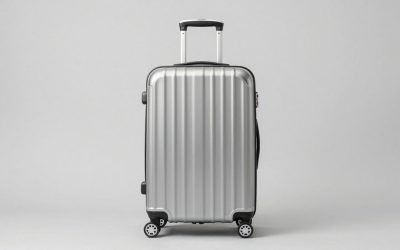
Hardside shells, often polycarbonate or similar plastics, resist crushing and light rain, and they look clean. They do not expand, so overpacking can mean a struggle to close the lid, and scratches are common. Softside bags, usually nylon or polyester, flex to fit awkward items and typically offer outside pockets. They may absorb moisture and fray at stress points over time. Neither material is a guarantee of durability, since stitching, frame design and zipper quality count as much.
A middle path exists: some lines combine a semi-rigid frame with fabric panels, offering a bit of give plus decent protection. If you check bags often, think about how a shell handles baggage-system rough treatment, and if you carry on, consider how easily the bag slides into an overhead bin. Spend a moment imagining your last three trips, then choose the construction that solved the most annoyances.
How to Judge Value Without Quoting Prices
Both brands sell across a wide spread, so the useful question is cost per year of reliable use, not sticker price. A bag that survives many trips with only a replaced wheel beats a cheaper one that splits a seam after a few. Look for repairable parts, such as bolted wheels and replaceable handles, and read how the maker handles service. Also consider resale and hand-me-down value: a neutral color and a clean shell are easier to pass on.
Be wary of deep markdowns on older colorways, which can be a fair bargain, but confirm the model is not a stripped-down variant made for a discount channel. The model number, listed on the product page or inside the bag, is the safest way to compare like with like.
Mistakes Shoppers Commonly Make
- Choosing by brand name and skipping the model-level specifications.
- Measuring only the main compartment and ignoring wheels, handles and outer pockets.
- Buying the largest checked size and then exceeding weight limits when it is full.
- Ignoring how the bag will be used: cobblestones punish small spinner wheels, while airport floors suit almost anything.
- Assuming a lock or zipper style is secure. Luggage locks deter casual tampering only.
A quick pass through this list before checkout prevents most returns.
Care and Durability Tips
Whichever brand you choose, a few habits extend a bag’s life. Avoid overstuffing, because zippers fail under constant strain. Lift the bag by its handle at the top instead of dragging it by a side strap. Wipe hardshells with a damp cloth and let softside bags air dry completely before storage. Photograph the bag’s tags and keep a copy of your purchase receipt, which makes any warranty or airline claim easier. If a wheel or handle feels loose, contact the maker’s service channel rather than forcing a repair, as extra stress can widen the damage.
Related guides
- Lightweight Carry On Suitcase With Laptop Compartment
- Universal Travel Adapter For Europe
- How To Pack A Carry On For A Week
Frequently Asked Questions
Is Samsonite or Travelpro better for frequent flyers?
Travelpro is commonly associated with frequent flyers and airline crews, and its designs often emphasize practical features such as organization and easy handling. Samsonite offers a broader range, including lightweight hardside styles. Neither is automatically better, so match the specific bag’s weight, wheels, handle and warranty to how often and how roughly you travel.
Which brand is lighter?
It depends on the exact model rather than the brand. Both make lightweight and heavier lines, and materials such as polycarbonate hardside shells or ballistic nylon softsides change the empty weight a lot. Compare the listed weight on each product page and check current specifications, because lines are updated often.
Do both brands offer a warranty?
Both brands have generally offered some form of limited warranty, but terms differ by product line, region and retailer. Coverage often excludes airline damage and normal wear. Read the current warranty text for the specific bag, keep your receipt, and note whether repairs go through the brand or an authorized service center.
Is hardside or softside better?
Hardside shells resist crushing and often shed rain, but they cannot stretch, and scuffs show. Softside bags usually give more flexibility for overpacking and often include exterior pockets, though fabric can fray or soak up moisture. Choose by how you pack and how the bag is handled, not by brand alone.
How do you know a carry-on will fit an airline’s limit?
Airlines publish their own size and weight limits, and these vary by carrier and fare type. Measure the bag including wheels and handles, compare against your airline’s current rules before you fly, and remember that measurements listed by sellers sometimes exclude wheels. When in doubt, choose a bag with some room to spare.