Key takeaways
- The best hardside luggage for most travelers is a medium-weight polycarbonate suitcase with replaceable spinner wheels, a compression system, and a shell size that stays within your airline’s limits; choose ABS for the lowest price and aluminum when impact protection,…
The best hardside luggage for most travelers is a medium-weight polycarbonate suitcase with replaceable spinner wheels, a compression system, and a shell size that stays within your airline’s limits; choose ABS for the lowest price and aluminum when impact protection, repairability, and long-term ownership matter more than weight.
Our top picks
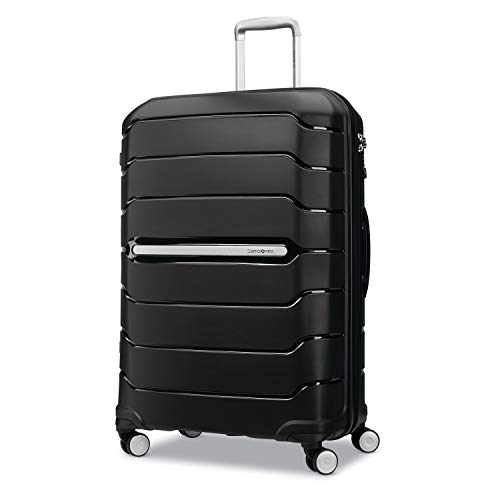


As an Amazon Associate we earn from qualifying purchases at no extra cost to you. Ratings are shown as listed on Amazon.
Quick recommendation by travel situation
| Situation | Best shell choice | Useful target specifications | Why it fits |
|---|---|---|---|
| Occasional trips and a tight budget | ABS or ABS/polycarbonate blend | 20–22 inch carry-on, 6.5–8.5 lb, 35–45 L | Usually the lowest purchase price and adequate protection for light use |
| Frequent flights with checked bags | 100% polycarbonate | 26–28 inch case, 9–12 lb, 80–105 L | Better balance of flex, impact resistance, weight, and availability of replacement parts |
| Business travel and overhead-bin use | Polycarbonate | 21–22 inch case, 6–8 lb, 35–45 L, compression panel | Light enough to preserve your weight allowance and easier to maneuver through terminals |
| Premium, long-term ownership | Aluminum | 20–22 inch case, 8–11 lb, 35–45 L | Rigid protection, replaceable hardware, and a distinctive patina as it ages |
| Rough handling or frequent outdoor transfer | Thick polycarbonate or aluminum | Large corner guards, recessed wheels, two-sided compression | More protection around vulnerable corners and wheel mounts |
Polycarbonate vs. ABS vs. aluminum
Polycarbonate: the best all-rounder
Polycarbonate is a tough thermoplastic that can flex under impact instead of cracking immediately. That makes it the strongest general-purpose choice for people who check luggage regularly but still care about keeping the case reasonably light. A good polycarbonate shell is not necessarily scratch-proof: glossy finishes show scuffs quickly, while textured or matte finishes hide them better.
Look for a case described as 100% polycarbonate rather than a vague “hard shell” or “polycarbonate-style” construction. Thickness, frame design, corner reinforcement, and wheel attachment also affect durability. Polycarbonate can become marked or dented, but a dented shell is often still usable. Once the shell splits near a corner, repair may be impractical.
ABS: affordable, but less forgiving
ABS is lighter and generally cheaper than polycarbonate. It is suitable for occasional carry-on travel, especially when the case will not be exposed to repeated baggage-conveyor impacts. The trade-off is lower impact resistance: ABS is more likely to crack when cold, overloaded, or struck at a corner.
Many inexpensive cases combine ABS with a thin polycarbonate layer. These can offer reasonable value, but construction varies considerably. A low price is less attractive if the wheels, telescoping handle, or zipper fail after only a few journeys. For a checked bag that you expect to use for years, polycarbonate usually justifies its higher price.
Aluminum: protective and repairable, but heavy
Aluminum luggage provides a rigid shell and excellent resistance to crushing. It can dent rather than shatter, and dents are part of the material’s normal aging process. Premium aluminum cases commonly use replaceable corner pieces, latches, wheels, and handles, making them more serviceable than many molded plastic cases.
The disadvantages are substantial: aluminum weighs more, costs more, and can lose interior space because of its frame and latch structure. Aluminum also scratches easily. If you want a case that continues looking new, it may disappoint; if you prefer a case that develops a visible travel history and can be maintained, it is compelling.
Representative size, capacity, and weight comparison
| Case type | Typical external size | Approximate capacity | Typical empty weight | Practical use |
|---|---|---|---|---|
| Compact international carry-on | 21.5 × 14.5 × 9 inches | 35–42 L | 6–8 lb | Short trips and stricter international limits |
| Standard carry-on | 22 × 15 × 9–10 inches | 40–48 L | 7–10 lb | Three to five days, depending on packing style |
| Medium checked case | 26–28 × 17–19 × 10–12 inches | 70–95 L | 9–13 lb | One to two weeks or bulky clothing |
| Large checked case | 29–32 × 19–21 × 12–14 inches | 95–125 L | 11–16 lb | Long trips, shared packing, or equipment-heavy travel |
These are useful planning ranges, not universal standards. Airlines measure external dimensions, including wheels and handles, and their limits differ. A case advertised as 22 inches may exceed a carrier’s limit once those parts are included. Measure the packed case before relying on it as a carry-on.
What matters beyond the shell
Interior capacity and organization
Two cases with the same external dimensions can hold noticeably different amounts. A frame, thick lining, wheel housings, and handle channels consume space. A zippered divider creates order but adds weight; a compression panel is more useful when you want to reduce movement and close an overfilled side.
For most travelers, a fully opening clamshell interior with one compression panel, one zippered compartment, and a removable laundry pouch is enough. Avoid judging capacity by the number of pockets. Deep, unobstructed compartments usually hold more than heavily divided interiors.
Wheels and handle quality
Four spinner wheels are convenient on smooth floors, but their small housings are exposed to impacts. Choose wheels that are recessed slightly, roll quietly, and have a replaceable screw or bolt connection. Larger wheels handle uneven sidewalks better than tiny wheels, although they may reduce interior capacity.
The telescoping handle should have minimal side-to-side play when fully extended. A handle that feels slightly loose at purchase often becomes more troublesome once the case is loaded. Two-stage or three-stage adjustment is useful for different users, but simplicity can improve durability.
Scratch resistance and appearance
Scratch resistance is mostly a finish issue, not a promise that the shell cannot be marked. Textured polycarbonate hides abrasion best. Aluminum shows scratches clearly but can be polished only to a limited degree without changing its finish. Glossy ABS often looks attractive when new and worn quickly in checked-baggage service.
Repairability and ownership
Ask whether the manufacturer sells wheels, handles, locks, latches, and replacement liners before buying. Wheel and handle failures are more common than complete shell failures. A suitcase with accessible screws is easier to repair than one using permanently riveted or sealed components.
Repairability is especially important for aluminum because its higher initial price is easier to justify over many journeys. For plastic luggage, replacement parts may be available, but a cracked shell is usually not economically repairable. Keep the model name, serial information, and purchase documentation so you can identify compatible parts later.
A simple cost-per-use calculation
Suppose a $120 ABS carry-on lasts 15 trips. Its purchase cost is about $8 per trip. A $280 polycarbonate case lasting 60 trips costs about $4.67 per trip, before repairs. A $650 aluminum case used for 100 trips costs $6.50 per trip. These figures do not prove that expensive luggage is better; they show why expected frequency matters.
If you take one trip every two years, low initial cost may be sensible. If you fly monthly and check the bag, wheel quality, parts availability, and shell resilience can matter more than saving $100 upfront.
Maintenance that extends suitcase life
- Clean after each trip. Wipe the shell with mild soap and water, then dry it. Grit left around wheel bearings accelerates wear.
- Inspect the wheels and handle. Remove hair and thread from axles before they restrict movement. Do not force a bent wheel back into alignment.
- Pack below the zipper’s limit. Overstuffing places constant stress on zippers, corners, and closure frames.
- Protect the interior from leaks. Use sealed pouches for toiletries and damp clothing; liquid damage can affect lining, locks, and electronic accessories.
- Store it open and dry. Leaving the case slightly open prevents trapped moisture and odors.
Avoid abrasive cleaners, aggressive solvents, and adhesive luggage covers that trap grit against the shell. Never lift a fully loaded suitcase by its telescoping handle; use the fixed top or side handle instead.
Final buying advice
Choose polycarbonate when you want the best balance of protection, weight, and price. Choose ABS when the case is an occasional carry-on and the budget is the priority. Choose aluminum when you value rigid protection, replaceable hardware, and long-term serviceability enough to accept extra weight, higher cost, dents, and scratches.
Before purchasing, compare the packed external dimensions, empty weight, wheel replacement policy, handle construction, closure type, and usable interior capacity. Those details reveal more about the best hardside luggage for your travel pattern than shell material alone.