The core problem with shopping for a blender machine is that the category collapses two very different jobs into one name. A unit that handles ice and frozen fruit without stalling requires substantially more motor power and blade torque than one designed for a quick protein shake. Yet both sit on the same shelf and carry the same label, which makes price comparison feel arbitrary until you separate full-size pitchers from personal-size cups and high-wattage motors from entry-level units that quietly underperform on dense ingredients.
What separates a good blender from a mediocre one in this price range comes down to three things: whether the motor has enough headroom to crush frozen fruit without the user pulsing and shaking the jar, whether the jar shape actually drives ingredients back into the blades instead of leaving them on the walls, and whether the controls match how the owner intends to use the machine. Owner feedback across these eight models confirms that wattage alone does not guarantee performance — blade geometry, jar shape, and speed settings matter just as much, sometimes more.
Our top picks




As an Amazon Associate we earn from qualifying purchases at no extra cost to you.
Quick Picks
| Product | Best for | Price |
|---|---|---|
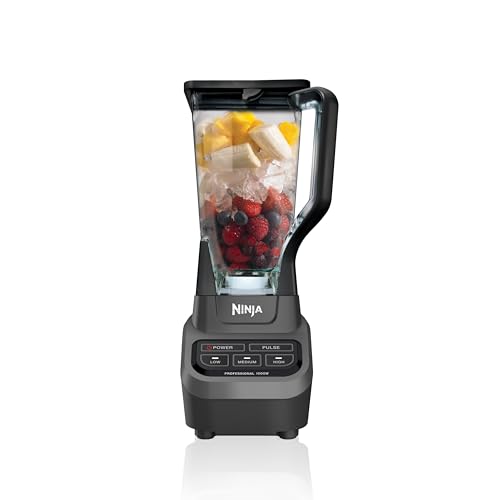
| Ninja Professional (BL610) | Everyday frozen smoothies at full-pitcher volume | $89.98 |
| Hamilton Beach Power Elite | Budget blending of soft fruits and liquids | $39.95 |
| Ninja Professional Plus (BN701) | One-touch programmed blending with power headroom | $109.99 |
| BLACK+DECKER PowerCrush | Glass-jar durability and simple multi-function tasks | $46.99 |
| Consciot 11-Piece | Personal-size portability on the tightest budget | $25.15 |
| Magic Bullet (MBR-1101) | Single-serve shakes and small food prep | $29.98 |
| BLACK+DECKER Countertop (BL2010BG) | Fine-tuned speed control without premium pricing | $38.44 |
| Ninja Professional 2.0 (BR201AMZ) | Latest-generation Auto-iQ with mid-range wattage | $109.99 |
How We Picked
We compared published wattage ratings, jar capacity and material, speed and program options, and the consistent themes in long-term owner reviews. The three criteria that mattered most were: whether the motor and blade system handle frozen ingredients without repeated pulsing (the single most common complaint in this category), whether the jar or cup geometry feeds ingredients toward the blades rather than leaving them stranded, and whether the price is justified relative to what a comparable unit delivers on those two fundamentals.
The 8 Best Blender Machine in 2026
Ninja Professional Blender (BL610)
This is the default recommendation for anyone making frozen-fruit smoothies in full-pitcher batches without wanting to learn a control panel. The 1000W motor paired with Total Crushing Tech handles bags of frozen berries and ice cubes without stalling, which owners confirm across thousands of reviews. The 72-ounce pitcher serves three to four people in a single pour, eliminating the need to blend in rounds. The trade-off is the absence of preset programs — you select speeds manually and adjust as you go. Skip this model if you want one-touch automation or if your counter space is tight enough that a wide-base pitcher becomes an inconvenience.
Hamilton Beach Power Elite Blender
For buyers whose recipes start with banana, yogurt, juice, and softer frozen fruit, this unit delivers reliable results at the lowest full-size price in the group. The Wave Action System is a raised ridge in the jar wall that creates a vortex, pulling ingredients back down toward the blades without requiring a tamper or manual shaking. Owners praise how quiet it runs compared to higher-wattage competitors. The limitation is consistent across reviews: dense frozen loads and ice cubes push this motor past its comfortable threshold. Skip it if your daily smoothie begins with blocks of frozen mango or a full cup of ice.
Ninja Professional Plus Blender (BN701)
The 1400W motor gives this model clear headroom over the BL610 for dense frozen blends, and the Auto-iQ presets remove the guesswork entirely — one button press handles the speed ramp and pulse cycle that owners would otherwise manage by hand. For households where multiple people want different textures, the presets reduce friction. The con reported repeatedly in owner feedback is noise; the extra wattage translates into a noticeably louder machine than entry-level alternatives. Skip this one if silence matters to you or if the BN701 is not available at a price below its $109.99 list, since the BR201AMZ offers similar functionality at the same cost.
BLACK+DECKER PowerCrush Multi-Function Blender
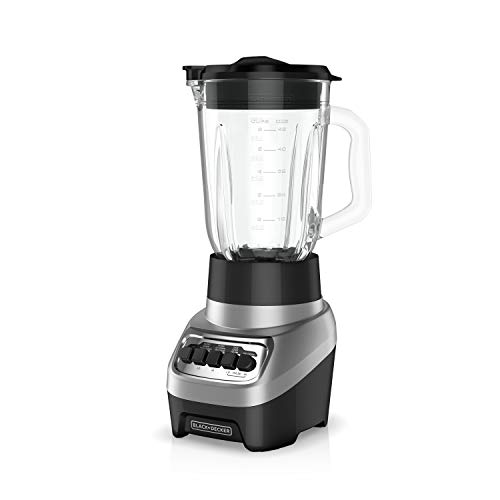
Buyers who dislike plastic jars find a practical option here: the 6-cup glass construction resists staining, absorbs no odors, and rinses clean without residue. The 4-speed settings cover everything from gentle mixing to ice crushing without the complexity of ten speeds you will never adjust. Owners mention the multi-function capability — the jar doubles as a serving pitcher. The drawback is weight and fragility: glass is heavier to lift from a lower cabinet and more vulnerable to a slip from wet hands. Skip this model if storage height or household traffic makes a glass jar a liability.
Consciot 11-Piece Blender
At $25.15, this is the lowest-cost entry in the group, and the 11-piece set makes it attractive for anyone who wants personal-size cups for commute blending alongside a base motor. The 900 peak watts are genuinely surprising at this price point for soft-fruit and liquid recipes. The important distinction owners highlight: peak wattage is not sustained wattage, and the motor labors with ice or thick frozen loads compared to full-size pitchers. Skip this model if your primary blending job is crushing ice or making thick smoothie bowls — it serves grab-and-go personal blending, not heavy-duty work.
Magic Bullet Personal Blender (MBR-1101)
The 250-watt motor is matched to the 22-ounce cup size, and for its intended use — single-serve protein shakes, soft fruit, salsa, small food prep — it runs quickly and cleans up in seconds. The cups go straight from blade to lid to bag, which owners cite as the main convenience advantage over washing a large pitcher. The limitation is unambiguous: this blender is not built for frozen blending at any meaningful volume, and owners report stalling and overheating with ice. Skip it if you make frozen smoothies daily; it is a soft-foods specialist in a category where full-size machines dominate.
BLACK+DECKER Countertop Blender (BL2010BG)
Ten speed settings in a blender priced under $40 is unusual, and this model fills a niche for users who want fine-grained texture control without paying for presets they will never use. The 6-cup glass jar shares the odor and stain resistance of the PowerCrush above. The honest limitation: the additional speed range does not come with a power increase, so the motor still falls short on dense frozen loads compared to Ninja units in this group. Skip it if you need maximum crushing force; choose it instead when variable speed matters more than raw wattage.
Ninja Professional Blender 2.0 (BR201AMZ)
This model splits the difference between the BL610 and BN701: 1200 watts of power, the same 72-ounce pitcher, and Auto-iQ program automation. For buyers who want preset blending without the full 1400W price premium, it occupies a practical middle ground. The awkward positioning is that its $109.99 list price matches the BN701 exactly, meaning the extra 200 watts on the older Plus model comes free at retail. Skip the BR201AMZ specifically if you find the BN701 at any discount, since the wattage gap becomes relevant with dense frozen loads and the price parity removes the reason to choose this one.
Buying Guide
Motor Power and the Frozen-Fruit Threshold
Wattage ratings on a blender machine describe motor output, but the number that matters for daily use is whether the motor sustains enough torque to keep blades turning when frozen fruit and ice pack against them. Units under 500W stall consistently on frozen loads. The 900W peak rating on the Consciot is the exception only if you understand peak versus continuous output. For reliable frozen blending without pulsing and shaking, the 1000W threshold visible across the Ninja lineup is where owner-reported stalling complaints drop off sharply.
Jar Geometry and Material
A wide-bottom pitcher with straight walls strands ingredients on the sides. The Wave Action ridge on the Hamilton Beach and the Total Crushing blade design on Ninja units are two different engineering solutions to the same problem: getting food back toward the blades. Glass jars resist odor and stain accumulation but add weight and breakage risk. Plastic pitchers are lighter and safer around children but absorb scent over time if not cleaned promptly. Match the material to your storage situation and household use pattern.
Preset Programs Versus Manual Speed Control
Auto-iQ programs remove the learning curve of speed sequencing, which helps first-time owners and households with varying users. Manual speed settings offer more granular control for experienced users who adjust texture mid-blend. The practical question is how many people operate the blender and whether they will read a manual or press a labeled button. If your household includes anyone who blends once a week, presets reduce frustration and underpowered blending attempts.
Our Verdict
The Ninja Professional Plus (BN701) is the top pick for anyone whose daily blending includes frozen fruit or ice, because 1400W with Auto-iQ eliminates both the power anxiety and the technique gap that cause most blender purchases to fail. The Hamilton Beach Power Elite is the budget pick for softer-recipe users who want a full-size pitcher under $40 and do not need ice-crushing headroom. The Consciot wins outright over both if your definition of “blender” is personal-size cups for a single shake on the go and your budget is under $30 — in that use case, no full-size model in this group matches its cost or portability.
FAQ
Is 1000W enough for a blender machine?
Yes, for frozen fruit and ice in moderate quantities — the Ninja BL610 demonstrates that 1000W with Total Crushing blade design handles standard smoothie loads without stalling. It falls short only on very dense loads or large ice cubes where 1400W provides a more comfortable margin.
Why does my blender stall with frozen ingredients?
The most common cause is insufficient motor torque relative to the density packed against the blades, but jar geometry plays an equal role. A wide-bottom container leaves frozen chunks above the blade zone where the motor cannot reach them without a tamper or manual shaking.
Are personal blenders as good as full-size blenders?
No, for anything requiring sustained power or volume. Personal blenders like the Magic Bullet and Consciot excel at single-serve soft-fruit blending and portability but cannot match the crushing force or batch capacity of a 72-ounce pitcher, regardless of wattage claims on small motors.
Should I buy a glass jar or a plastic pitcher?
Choose glass if you blend pungent ingredients regularly and want odor-free results, and if your storage location allows lifting a heavier jar safely. Choose plastic for households with small children, upper-cabinet storage, or anyone who values lighter daily handling over long-term stain resistance.