Key takeaways
- Southwest monsoon: mid-May to October, soaking the Andaman coast, Bangkok, the north and the northeast.
- Northeast monsoon: brings the Gulf islands their wettest months from October to early December.
- Most rainy-season days mix sun with a heavy afternoon or evening downpour; multi-day storms are most likely in September and October.
- Similan and Surin marine national parks close every year from mid-May to mid-October.
- Pack a light rain shell, quick-dry clothes, sandals, a dry bag and insect repellent.
Thailand monsoon season runs from about mid-May to October across most of the country, including Bangkok, Chiang Mai, Phuket and Krabi, with the heaviest rain in August, September and October. The big exception is the Gulf of Thailand islands (Koh Samui, Koh Phangan and Koh Tao), which get their main rainy season from October to December, peaking in November.
So the thailand monsoon season is really two monsoons hitting two coasts at different times. That is good news for travelers: in almost any month, somewhere in Thailand is relatively dry. This guide explains when the rain arrives in each region, what a rainy day really looks like, which trips to avoid, and exactly what to pack.
Key takeaways
- Southwest monsoon: mid-May to October, soaking the Andaman coast, Bangkok, the north and the northeast.
- Northeast monsoon: brings the Gulf islands their wettest months from October to early December.
- Most rainy-season days mix sun with a heavy afternoon or evening downpour; multi-day storms are most likely in September and October.
- Similan and Surin marine national parks close every year from mid-May to mid-October.
- Pack a light rain shell, quick-dry clothes, sandals, a dry bag and insect repellent.
Our top picks


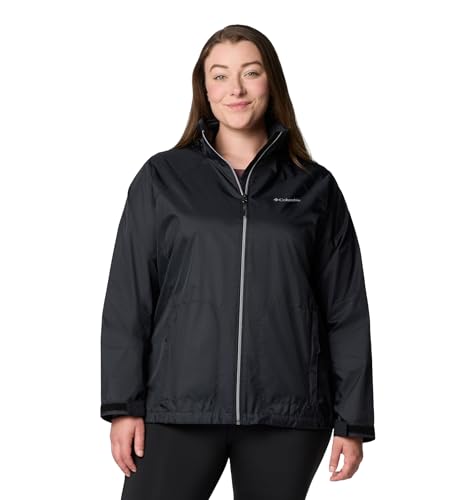 Columbia Womens Switchback IV Rain Jacket
- For light precipitation and everyday protection against stains,…
- With a sleek, packable design, this jacket folds…
- This versatile jacket includes a stow-away hood, that…

As an Amazon Associate we earn from qualifying purchases at no extra cost to you.
Thailand Seasons at a Glance
Thailand is usually described as having three seasons. The timing below applies to Bangkok, central, northern and northeastern Thailand and the Andaman coast.
| Season | Months | What to expect |
|---|---|---|
| Cool and dry | November to February | Sunny, lower humidity, coolest nights in the north; peak travel season |
| Hot | March to mid-May | Very hot and humid, with highs often 35°C or more inland |
| Rainy (southwest monsoon) | Mid-May to October | Daily showers or storms, green landscapes, fewer crowds |
The Thai Meteorological Department declares the start of the rainy season each year once the southwest monsoon is established, typically in the second half of May.
When the Rainy Season Hits Each Region
| Region | Main rainy months | Wettest | Driest stretch |
|---|---|---|---|
| Bangkok and central plains | May to October | September | December to February |
| Chiang Mai, Chiang Rai and the north | May to October | August and September | November to February |
| Isan (northeast) | May to October | August and September | November to February |
| Andaman coast: Phuket, Krabi, Khao Lak, Koh Lanta | May to October | September and October | December to March |
| Gulf islands: Koh Samui, Phangan, Tao | October to early December | November | February to August |
| Eastern coast: Koh Chang, Koh Samet | May to October | July to September (Koh Chang) | November to April |
Andaman coast (Phuket, Krabi and nearby islands)
The west-facing Andaman coast takes the full force of the southwest monsoon. Average rainfall in Phuket runs around 350 mm in September and over 300 mm in October, according to Thai Meteorological Department averages quoted by regional travel guides. Seas get rough, red flags go up on beaches, and some boat trips stop. Conditions improve through November, and December to March is the classic beach season.
Gulf of Thailand islands
Koh Samui, Koh Phangan and Koh Tao sit on the sheltered east side of the peninsula, so they stay comparatively dry during the southwest monsoon, with roughly 100 to 135 mm a month from June to September. Their wet season comes with the northeast monsoon instead: Koh Samui averages around 445 mm in November, on about 16 days. That makes the Gulf islands the best beach option in July and August, and the worst in November.
Bangkok and central Thailand
Bangkok’s rain usually falls as short, intense afternoon or evening storms that flood streets for an hour or two and then drain. September is typically the wettest month. Sightseeing is still very doable if you plan indoor stops (temples with covered halls, malls, museums) for late afternoon.
Northern Thailand
Chiang Mai and Chiang Rai turn lush and green, and rice terraces are at their most photogenic from July to September. Mountain roads can see landslides after heavy rain, and rivers can flood quickly; Chiang Rai province saw severe flooding in September 2024. Trekking is possible but trails get muddy and leeches appear in forests.
What a Rainy Day in Thailand Really Looks Like
Many visitors imagine weeks of nonstop rain, but a typical rainy-season day looks more like this: a sunny or hazy morning, clouds building after lunch, then a heavy downpour of one to two hours in the afternoon or evening. Rain often stops by night.
The exceptions are tropical depressions and storms, which are most likely in September and October and can bring one to three days of steady rain, strong winds and flooding. These are the periods when flights, ferries and road trips get disrupted.
Rainy Season Thailand: Month by Month
- May: the transition month. Storms start on the Andaman coast and inland in the second half; it is still very hot, and the Gulf islands are dry.
- June: regular afternoon showers in Bangkok and the north. Andaman seas get rougher; the Gulf islands are in good shape.
- July: similar to June, often with breaks of several dry days. A popular month for families on the Gulf islands.
- August: rain increases in the north and northeast, and waterfalls are near their peak. The Gulf islands remain a reliable beach choice.
- September: usually the wettest month in Bangkok and on the Andaman coast, with the highest chance of flooding and storm systems.
- October: still wet on the Andaman coast and in Bangkok early in the month, drying in the north by the end. Rain begins to build on the Gulf islands from mid-month.
Best Season to Visit Thailand if You Want to Avoid the Rain
- December to February: the safest dry window for almost everywhere except the tail end of the Gulf islands’ wet season in early December.
- March to April: dry and hot nationwide; the Gulf islands are at their best.
- June to August: choose the Gulf islands for beaches; Bangkok and the north are wet but workable.
- September and October: the wettest months on the Andaman coast and in Bangkok; consider the Gulf islands, which are still mostly fine until mid-October.
- November: great for Bangkok, the north and the Andaman coast; avoid the Gulf islands.
Pros and Cons of Visiting in Monsoon Season
| Pros | Cons |
|---|---|
| Lower hotel rates and more availability in many areas | Rough seas, cancelled speedboats and closed marine parks |
| Fewer crowds at temples and viewpoints | Dangerous rip currents on Andaman beaches |
| Green landscapes, full waterfalls, rice terraces | Muddy trails and landslide risk in the mountains |
| Slightly cooler than the hot season | High humidity; clothes take longer to dry |
| Festivals such as the start of Buddhist Lent (Khao Phansa) and Phuket’s Vegetarian Festival | More mosquitoes after rain |
How to Plan a Trip During the Thailand Monsoon Season
- Match the coast to the month. From June to September, base beach time on the Gulf islands; from November to April, favor the Andaman coast. This single choice matters more than any packing decision.
- Build in buffer days. Keep one flexible day before international flights, especially if you will be on a ferry. Rough seas can cancel boats with little notice.
- Book refundable stays near the end of the trip. If a storm system arrives, you can move to the other coast or to Bangkok.
- Plan outdoor activities for mornings. Rain is most common in the afternoon and evening, so schedule hikes, island tours and markets early.
- Watch marine warnings. Thai authorities issue warnings for strong waves during the monsoon. Never swim at beaches flying red flags; rip currents cause drownings in Phuket every rainy season.
- Get travel insurance that covers weather delays. Check whether missed connections due to weather are covered before you buy.
- Protect against mosquitoes. Use repellent and cover up at dawn and dusk. Ask a doctor or travel clinic about health advice for Thailand before you go.
What to Pack for Thailand’s Rainy Season
| Item | Why | Tip |
|---|---|---|
| Light packable rain jacket | Keeps you dry without overheating | Look for 10,000 mm waterproof rating and pit zips or mesh lining |
| Compact umbrella | Better than a jacket in city heat | Also useful as sun shade |
| Quick-dry clothes | Cotton stays damp for days | Synthetic or merino tees dry overnight |
| Sandals with grip | Wet streets and flooded sidewalks | Avoid canvas shoes; they stay wet |
| Dry bag (10 to 20 L) | Protects electronics on boats and tuk-tuks | Roll-top closure, three folds minimum |
| Waterproof phone pouch | Navigation in the rain, boat trips | Touchscreen-friendly IPX8 or IP68 rated |
| Zip bags and silica packs | Humidity damages cameras and documents | Keep passport in a sealed bag |
| Insect repellent | More mosquitoes after rain | Buy locally if luggage space is tight |
| Power bank | Power cuts can happen during storms | Carry it in cabin baggage on flights |
Gear That Helps
- Columbia Glennaker Lake II Rain Jacket: lightweight shell · packable · adjustable hood. A simple, breathable choice for warm tropical rain.
- 33,000ft Packable Rain Jacket for Women: 10,000 mm waterproof rating · mesh lining · hooded. Packs small enough for a day bag.
- Earth Pak 20L Waterproof Dry Bag: roll-top closure · 20 L capacity · shoulder strap. Fits a camera, phone and a change of clothes for boat days.
- Pelican Marine Waterproof Phone Pouch: IP68 rated · floats · touchscreen usable. Keeps your phone usable for maps and photos in a downpour.
Frequently Asked Questions
When is monsoon season in Thailand?
For most of Thailand, the monsoon (rainy season) runs from mid-May to October, with the heaviest rain in August to October. The Gulf islands of Koh Samui, Koh Phangan and Koh Tao are different: their wettest months are October to early December.
Is it worth visiting Thailand in the rainy season?
Yes, for many travelers. You get lower prices, fewer crowds and green scenery, and most days still have hours of dry weather. Choose your coast carefully and keep plans flexible, especially in September and October.
Which part of Thailand is best during the rainy season?
From June to September, the Gulf islands (Koh Samui, Koh Phangan, Koh Tao) usually have the most beach-friendly weather. Bangkok and Chiang Mai remain good for culture and food if you plan around afternoon storms.
What is the best season to visit Thailand?
The cool, dry season from November to February is the best all-round time for most of the country. For the Gulf islands, February to August is usually better.
Does it rain all day during the Thai monsoon?
Usually not. Most rain falls in heavy afternoon or evening bursts of one to two hours. All-day rain mostly comes with tropical storms, which are most common in September and October.
Do flights get cancelled in Thailand’s rainy season?
Most flights run normally, with short delays during thunderstorms. Cancellations are more common for ferries and speedboats than for planes, so leave a buffer day before connecting flights if your itinerary includes island hops.
Is it safe to swim in Phuket during monsoon season?
Only at beaches with green flags and lifeguards. Strong waves and rip currents are common on Andaman beaches from May to October, and red flags mean no swimming.