Key takeaways
- Rinse sandals with fresh water after salt water or chlorine, and let them dry out of direct sun, which can warp foam and fade straps.
- Check the care instructions; some sport sandals may be machine-washable but many makers advise hand washing.
- Use sunscreen on the tops of your feet, which burn easily.
- Hot sand and pavement can burn bare soles; wear sandals on beach walks in midday heat.
- Replace sandals when the tread wears smooth or the footbed breaks down.
- Watch for blisters from new straps and stop wearing sandals that cause persistent soreness.
For most beach vacations, a strappy sport sandal such as the Teva Hurricane or Chaco Z/1 suits travelers who walk a lot and get wet, a classic flip-flop like Havaianas or Reef suits simple pool-and-sand days, and a cushioned sandal such as OluKai or Birkenstock EVA suits those who prioritize comfort for long days.
Our top picks

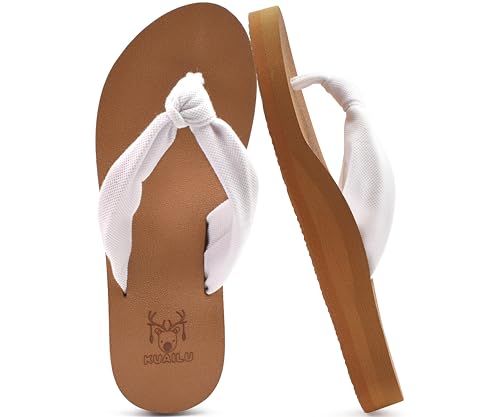
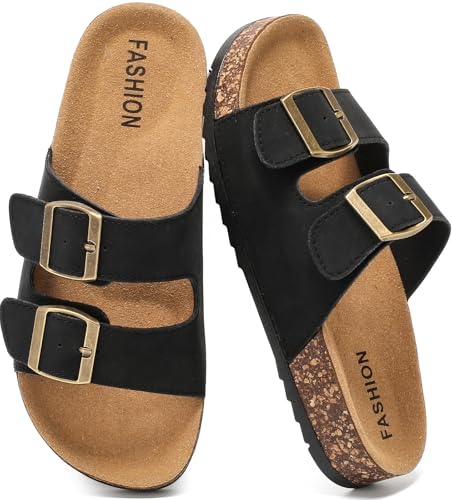
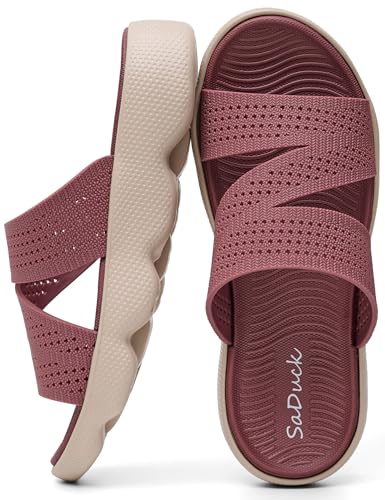
As an Amazon Associate we earn from qualifying purchases at no extra cost to you.
At a Glance: Travel Sandals Compared
| Sandal | Type | Best for | Limits |
|---|---|---|---|
| Teva Hurricane / Original Universal | Strappy sport sandal | Walking, water, light hikes | Straps can rub on bare skin until broken in |
| Chaco Z/1 | Adjustable-strap sport sandal | Long walks and varied terrain | Heavier, more structured; takes time to adjust |
| Reef Fanning | Flip-flop | Beach and pool | Less support for long walks |
| Havaianas | Flip-flop | Lightweight pack, beach days | Minimal support |
| OluKai | Cushioned sandal or flip-flop | Comfort-first travelers | Mid-range to premium tier |
| Birkenstock Arizona EVA | Molded footbed sandal | Water-friendly everyday wear | Fit differs from conventional sandals; narrow and regular widths |
| Keen Newport | Closed-toe sport sandal | Rocky shores and trails | Bulkier to pack; warmer |
The categories above reflect long-running lines from these makers. Colors, materials, and exact models change over time, so look at each maker’s current product page for stated materials, sole details, and sizing guidance before buying.
What to Look for in Beach Travel Sandals
Water and sand handling
Choose quick-drying straps made from webbing, synthetic leather, or similar materials instead of untreated leather, which can stiffen after repeated soaking. Sand trapped between your foot and the footbed causes rubbing, so a smooth, easily rinsed footbed helps.
Traction
Wet tile, boat decks, and rocks are slippery. A rubber outsole with a pronounced tread pattern generally grips better than a smooth foam sole. Makers like Teva, Chaco, and Keen emphasize traction in their descriptions.
Support and cushioning
Flat flip-flops are fine for short beach walks, but many people find them tiring on long days of sightseeing. A contoured footbed and arch support spread pressure more evenly. If you have foot pain, plantar fasciitis, diabetes, or a similar condition, speak with a podiatrist or doctor about footwear before relying on any sandal.
Straps and fit
Adjustable straps (as on Teva and Chaco sandals) allow a secure fit that stays on during walking or swimming. Flip-flops hold on with a toe post, which some people find irritating. Try sandals with the socks or toe tape you plan to use, and break them in at home before a trip to prevent blisters.
Weight and packability
Foam flip-flops weigh little and pack flat. Structured sport sandals are heavier but can double as an everyday shoe, reducing how many pairs you pack.
Budget Tiers
Budget tier
Simple flip-flops from Havaianas and basic foam sandals fall here. They are light and easy to replace but offer limited support.
Mid-range tier
Teva, Reef, Birkenstock EVA, and Keen sit in the middle. They add traction, adjustable fit, or a molded footbed.
Premium tier
Chaco and OluKai are priced toward the top of the sandal market and are known for supportive footbeds and build quality. Chaco also offers resoling through the maker, as stated on its site, which may suit people who intend to keep a pair for years.
Care and Safety Notes
- Rinse sandals with fresh water after salt water or chlorine, and let them dry out of direct sun, which can warp foam and fade straps.
- Check the care instructions; some sport sandals may be machine-washable but many makers advise hand washing.
- Use sunscreen on the tops of your feet, which burn easily.
- Hot sand and pavement can burn bare soles; wear sandals on beach walks in midday heat.
- Replace sandals when the tread wears smooth or the footbed breaks down.
- Watch for blisters from new straps and stop wearing sandals that cause persistent soreness.
Pick X If… Decision Table
| Pick this | If you… |
|---|---|
| Teva Hurricane or Original Universal | want a secure, water-friendly sandal for walking |
| Chaco Z/1 | want a supportive sandal for long days and rough ground |
| Reef Fanning | want a casual flip-flop for beach and pool |
| Havaianas | want the lightest, simplest pack |
| OluKai | prioritize cushioning |
| Birkenstock Arizona EVA | want a waterproof molded footbed |
| Keen Newport | want toe protection near rocks |
Alternatives
- Water shoes: Better for rocky entries and snorkeling.
- Slides: Easy on and off, good for the pool deck and hotel.
- Lightweight sneakers: Better for walking-heavy days with a few beach hours.
Matching Sandals to Your Itinerary
Resort and pool trips
If most of your day is spent between the pool, beach, and restaurant, a flip-flop or slide is usually adequate. Keep a second pair of closed shoes for dinners or excursions.
City and coastal walks
For sightseeing on hard pavement, choose a sandal with a cushioned, contoured footbed. Straps that adjust at the heel and forefoot keep your foot stable on stairs and cobblestones.
Boat trips and rocky shores
Choose a sandal with a grippy outsole and secure straps, since slippery decks and rocks are hazards. Closed-toe sport sandals offer toe protection that open flip-flops do not.
Breaking In and Fit Tips
- Try on sandals in the afternoon, when feet are slightly swollen from the day.
- Walk around in them to see if straps rub at the toes, ankles, or heel.
- Leave a small gap between your heel and the back of the footbed so the foot does not slide off.
- Use blister tape or a thin sock for the first wears if the maker permits.
- If you are between sizes, read the maker’s size guide, because some lines run narrow.
Packing and Airport Tips
Wear your bulkiest pair on the plane, or tuck sandals into a shoe bag so sand does not spread in your luggage. Flat foam flip-flops stack well, while structured sandals take more room. If you plan to keep one pair for years, rinse and dry them after each trip and store them out of direct sun. Replace any pair that has worn tread or a collapsed footbed, since these increase the risk of slipping and foot fatigue.
Sun, Sand and Skin
Straps leave tan lines and can rub where skin is wet and sandy, so rinse feet before putting sandals on. Apply sunscreen to the tops of the feet and reapply after swimming. Hot sand can burn quickly; wear sandals to cross it in midday heat. If you notice cuts, blisters that do not heal, or numbness, see a doctor, particularly if you have diabetes or circulation problems.
Frequently Asked Questions
Are flip-flops good for walking around a city on vacation?
For short distances yes, but flat flip-flops give little support for long days. A strappy sport sandal or cushioned model is usually more comfortable.
Can I wear sport sandals in the water?
Yes, makers like Teva and Chaco design theirs for wet conditions, and the straps dry quickly. Rinse them afterward to remove salt and sand.
How do I avoid blisters from new sandals?
Wear them around the house for short periods before the trip and adjust straps gradually. Bring bandages in case.
Should I size up in sandals?
Sizing varies by brand, so read the maker’s size guide. Your toes should not hang off the front, and the footbed should support your heel.
Can people with foot conditions wear these?
Some people with foot pain or medical conditions need specific footwear. Ask a podiatrist or doctor for advice rather than relying on marketing claims.
How do I keep sandals from smelling?
Rinse and dry them after use, avoid storing them wet in a bag, and follow the maker’s cleaning instructions.
More from Amazon
Programs that pair well with the guide above. Offers and eligibility are set by Amazon and may change.
Free shipping on eligible items, Prime Video and more. Eligible new members can start with a free trial.
Start a Prime free trialA Prime membership for ages 18-24 with a trial period. Eligibility is set by Amazon.
See Prime for Young AdultsAudiobooks and podcasts to listen to on the go. Eligible new members can start with a free trial.
Try Audible freeAd-free music streaming. Eligible new subscribers can start with a free trial.
Try Music Unlimited freeAs an Amazon Associate we earn from qualifying purchases.