Key takeaways
- Replacing a dry cocktail: Choose Ghia Original, Wilfred’s Bitter Aperitif, or a zero-proof spirit such as Seedlip Spice 94 mixed with soda and citrus.
- Replacing a lager or pale ale: Choose Athletic Brewing Upside Dawn, Heaps Normal Quiet XPA, or another alcohol-free beer labelled crisp, dry, or hop-forward.
- Replacing dry white wine: Choose a non-alcoholic wine-style drink labelled brut or extra brut, such as Surely Brut, and serve it well chilled.
- Replacing sparkling wine: Choose Noughty Sparkling Chardonnay or Thomson & Scott Noughty Sparkling Rosé when bubbles and a toast-like presentation matter most.
- Replacing a sweet soft drink: Choose plain soda water with bitters-style botanical concentrate, unsweetened tonic, or a dry kombucha with a low-sugar label.
The best dry drink alternatives are Seedlip Garden 108 for a crisp botanical aperitif, Ghia Original for a bitter spritz, Athletic Brewing’s Upside Dawn for a beer occasion, and Surely Brut for a wine-style toast—while the right choice depends mainly on bitterness, carbonation, serving style, and sugar rather than the alcohol-free label alone.
Our top picks
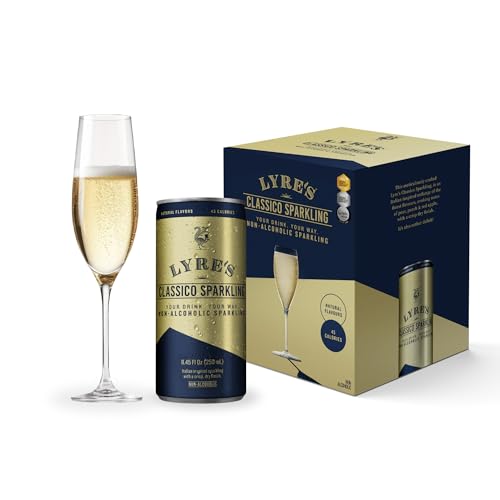


As an Amazon Associate we earn from qualifying purchases at no extra cost to you. Ratings are shown as listed on Amazon.
Quick picks by occasion
- Replacing a dry cocktail: Choose Ghia Original, Wilfred’s Bitter Aperitif, or a zero-proof spirit such as Seedlip Spice 94 mixed with soda and citrus.
- Replacing a lager or pale ale: Choose Athletic Brewing Upside Dawn, Heaps Normal Quiet XPA, or another alcohol-free beer labelled crisp, dry, or hop-forward.
- Replacing dry white wine: Choose a non-alcoholic wine-style drink labelled brut or extra brut, such as Surely Brut, and serve it well chilled.
- Replacing sparkling wine: Choose Noughty Sparkling Chardonnay or Thomson & Scott Noughty Sparkling Rosé when bubbles and a toast-like presentation matter most.
- Replacing a sweet soft drink: Choose plain soda water with bitters-style botanical concentrate, unsweetened tonic, or a dry kombucha with a low-sugar label.
What “dry” means in a non-alcoholic drink
In wine, “dry” generally means little residual sugar. In cocktails and beer, people often use it more broadly to describe a drink that is crisp, bitter, herbal, tart, roasted, or hop-led rather than sugary. A drink can therefore be technically low in sugar but still taste fruity, or contain modest sugar while tasting dry because bitterness and acidity balance it.
Check the nutrition panel instead of relying on words such as “dry,” “adult,” or “sophisticated.” A practical starting point is:
- 0–2 g sugar per serving: very dry and usually easiest to use with soda, citrus, or a meal.
- 3–6 g: balanced; often suitable for spritzes and wine-style pours.
- 7 g or more: noticeably rounded or fruity, even if the label calls it dry.
Serving size matters. A 250 ml can and a 125 ml wine pour are not comparable unless you calculate sugar per 100 ml or per complete serving.
Head-to-head comparison
| Drink or category | Typical format | Flavor profile | Typical sugar range* | Best replacement |
|---|---|---|---|---|
| Seedlip Garden 108 | 700 ml botanical spirit | Pea, rosemary, thyme, fresh herbal notes | 0 g per 50 ml serve | Gin and tonic or herb-led cocktails |
| Seedlip Spice 94 | 700 ml botanical spirit | Allspice, cardamom, citrus, warm spice | 0 g per 50 ml serve | Spiced gin drinks and an Old Fashioned-style mixer |
| Ghia Original | 500 ml aperitif | Bitter, citrusy, gentian-like, Mediterranean herbs | About 4 g per 60 ml serve | Negroni or bitter spritz occasions |
| Wilfred’s Bitter Aperitif | 500 ml aperitif | Orange, rosemary, rhubarb, bittersweet herbs | Usually under 5 g per 50 ml serve | Campari-style spritzes |
| Athletic Brewing Upside Dawn | 355 ml can | Light malt, citrus, restrained hops | About 2–4 g per can | Session lager or easy-drinking beer |
| Heaps Normal Quiet XPA | 355 ml can | Hoppy, citrusy, fuller and more bitter | Often about 4–7 g per can | Pale ale or craft-beer occasion |
| Surely Brut | 750 ml wine-style bottle | Dry-leaning, acidic, pale fruit, sparkling-wine structure | Check current vintage; commonly several grams per 100 ml | White-wine pour or dinner pairing |
*Formulas and nutrition panels can change by country and production batch. Treat these figures as buying guidance and verify the bottle or can before purchase.
Choose by flavor, not by category
For gin and tonic drinkers
Botanical spirits are usually the driest-tasting option because they can provide aroma without adding much sugar. Seedlip Garden 108 is green and savory, while Seedlip Spice 94 is warmer and more aromatic. Neither is a direct alcohol substitute: alcohol carries aroma and body, so these drinks can feel light when mixed with too much tonic.
Use 50 ml of botanical spirit with 100–150 ml of a dry tonic or soda water, then add lemon, grapefruit, cucumber, or a rosemary sprig. If you want more bitterness and less perfume, use a bitter aperitif instead.
For Negroni, spritz, and aperitivo occasions
Ghia Original and Wilfred’s Bitter Aperitif are better matches for a bitter cocktail than a botanical spirit. Ghia leans sharp and citrusy; Wilfred’s has a more orange-and-herb profile. Mix either with chilled soda and ice for a low-sugar highball, or with a dry non-alcoholic sparkling wine for a spritz.
A useful starting ratio is 60 ml aperitif, 90 ml sparkling water, and plenty of ice. This produces a drink with intensity without the syrupy finish common in ready-made mocktails. Add an orange peel rather than orange juice if sugar is a priority.
For beer drinkers
Alcohol-free beer is the closest format match because it retains carbonation, malt, bitterness, and a beer-like serving ritual. Upside Dawn is light and approachable, making it suitable for lager drinkers. Heaps Normal Quiet XPA is more aromatic and hop-forward, so it works better for someone who normally orders pale ale or IPA.
Beer-style alternatives can contain more carbohydrate than a botanical mixer, but they generally taste drier because hops and carbonation offset malt sweetness. Serve them cold in a clean glass; a warm can exaggerates sweetness and dulls bitterness.
For wine drinkers
Wine-style alternatives vary more than non-alcoholic spirits. Sparkling versions usually give the most convincing structure because acidity and bubbles compensate for the missing alcohol. Look for “brut,” “extra brut,” or “dry,” but still check sugar per 100 ml.
Noughty Sparkling Chardonnay is designed for a sparkling-wine occasion, while Surely Brut is a useful option when you want a bottle presentation and wine-like acidity. These products may taste lighter and more fruit-forward than conventional brut wine. They work best at refrigerator temperature, around 6–8°C, and in a narrow flute or white-wine glass.
Decision matrix for buying
| Your priority | Best format | Look for | Avoid |
|---|---|---|---|
| Lowest sugar | Botanical spirit or soda-based aperitif | 0–2 g sugar per serving; unsweetened mixer | Juice-heavy canned mocktails |
| Most cocktail-like | Bitter aperitif | Gentian, rhubarb, citrus peel, quinine, or herbal bitterness | Fruit punch-style alternatives |
| Beer replacement | Alcohol-free lager or pale ale | 330–355 ml can, carbonation, IBUs or hop description | Flat malt drinks served warm |
| Dinner pairing | Dry sparkling or still wine-style drink | Acidity, brut wording, 750 ml bottle | Very sweet grape-based products |
| Occasional use | Single cans or a 500 ml aperitif | Small pack size and refrigerator-friendly storage | Large multipacks before you know your preferred profile |
Cost and serving calculation
Compare products by finished drink, not bottle price. For example, a 500 ml aperitif priced in the general market range of $25–$35 and poured at 60 ml makes approximately eight drinks:
500 ml ÷ 60 ml = 8.3 servings
That works out to roughly $3.00–$4.20 per aperitif before soda, citrus, and ice. A 700 ml botanical spirit poured at 50 ml makes 14 drinks, so a $30–$40 bottle costs about $2.15–$2.85 per base serving. However, a botanical spirit needs a mixer, whereas a canned beer is ready to drink. The cheapest option depends on whether you value cocktail preparation or convenience.
Ownership details that affect the choice
- Refrigerate after opening: Follow the label, especially for fruit-based aperitifs and wine-style bottles. Refrigeration helps preserve aroma and limits flavor deterioration.
- Use clean, dry glassware: Detergent residue can flatten carbonation and make botanical drinks taste soapy.
- Expect mixers to change the result: Regular tonic can add 15–25 g of sugar to a drink, overwhelming a dry base. Choose slimline or unsweetened tonic when appropriate.
- Watch serving size: A generous free pour can turn a low-sugar recipe into a much sweeter drink once juice, tonic, or soda is added.
- Read alcohol statements carefully: “Non-alcoholic” and “alcohol-free” can have different legal definitions in different countries. If complete avoidance matters, check the stated alcohol content and local labelling rules.
Bottom line
Choose a botanical spirit for the driest, lowest-sugar base; a bitter aperitif for Negroni and spritz flavors; alcohol-free beer for a beer-shaped experience; and brut-style sparkling wine for formal toasts or dinner. The most reliable buying method is to compare sugar per serving, identify the dominant flavor—bitter, herbal, hoppy, acidic, or fruity—and then match that profile to the occasion rather than choosing any product simply because it is alcohol-free.