Key takeaways
- How to pack a carry-on for a week using a 7-step system: capsule wardrobe math, packing cubes, a liquids-ready toiletry bag, and a final weight check.
A week fits in a carry-on when you plan outfits first, choose a tight color palette, pack in layers from heaviest to lightest, and keep liquids in one easy-to-reach pouch. Most people overpack because they pack for possibilities instead of a schedule. This guide, written by the Editorial team from published specifications, manufacturer documentation and general knowledge, walks through a repeatable seven-step system plus the checks that stop a bag from being gate-checked.
Before You Pack: Confirm the Limits
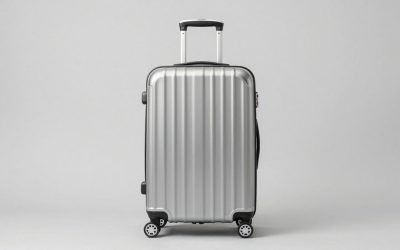
Start with the constraint, not the clothes. Every airline publishes its own carry-on dimensions and weight limit, and budget carriers are often stricter than large ones. Some also charge for a bag in the overhead bin while allowing a smaller personal item free. Look up your airline’s current rules for your fare type, then measure your bag with wheels and handle included.
Write two numbers on a note: the maximum size and the maximum weight, if one applies. Your goal is to land comfortably under both, because scales and sizers vary and a bag that barely passes at home may not at the gate. Also check whether your trip has any connecting flights on other carriers, since the strictest rule on the route is the one that counts.
Step 1: Build a Capsule Wardrobe
A capsule wardrobe is a small set of items that all combine with each other. Pick two or three neutral base colors and one accent. A reliable template for seven days is shown below.
| Category | Suggested count | Notes |
|---|---|---|
| Tops | 4 to 5 | Mix short and long sleeves |
| Bottoms | 2 to 3 | Wear one pair on the plane |
| Layer or jacket | 1 to 2 | Worn or carried onto the plane |
| Underwear and socks | 4 to 5 sets | Quick-drying fabrics help |
| Sleepwear | 1 | Can double as lounge wear |
| Shoes | 2 pairs | Wear the bulkiest pair |
These counts are starting points. A beach trip needs fewer layers, a winter trip needs more bulk, and a business trip may need one structured outfit. Fabric choice matters too: merino-style blends, polyester and nylon dry quickly and resist odor, while heavy cotton and denim are slow to dry and take up more room. If you expect to wash anything on the road, favor quick-drying pieces and bring a few detergent sheets or a small travel soap.
Step 2: Plan Outfits by Day
Write out each day with an outfit, not a loose pile. Day one might be jeans and tee, day two the same jeans with a shirt, day three the second bottom. Repeating bottoms is normal, since pants rarely need washing after one wear. Count how often each item appears; anything used only once is a candidate to leave behind.
This also exposes gaps. If every outfit needs a particular belt or scarf, it earns its place. If two jackets do the same job, drop one.
Step 3: Lay Out, Then Cut
Place everything on a bed and take a photo. Then remove about a third. This sounds harsh, but it works because early choices include “just in case” items. Ask of each piece: will it be worn at least twice? Is it replaceable cheaply at the destination? If an item is rarely worn and easy to buy, leave it.
Step 4: Pack in Zones
- Put shoes along the wheel end, soles facing the outside wall, with socks or small items tucked inside.
- Roll or bundle soft items such as tees, knits and underwear and lay them in packing cubes or in rows.
- Place heavier items, like shoes and the toiletry pouch, near the wheel end so the bag stays stable when upright.
- Fold dressier items flat on top, or wrap them around a soft core to reduce creasing.
- Keep a day-of-travel pouch accessible with documents, chargers and medications.
Compression cubes squeeze soft clothing, but they also make heavy bags easy to overload. Weigh the bag afterward.
Step 5: Pack a Liquids-Ready Toiletry Bag
Many airports apply a limit on liquid, gel and aerosol containers in carry-ons, often a maximum of 3.4 ounces or 100 milliliters per container, all inside one clear quart-size bag. Rules vary by country and can change, so confirm them for your airport. Where possible, switch to solid products: bar shampoo, solid deodorant, toothpaste tablets or sunscreen sticks. Decant the rest into small leak-resistant bottles and test them by squeezing over a sink.
Put the quart bag at the top of your carry-on or in an outer pocket so you can pull it quickly at screening. Keep medications in original packaging, and check the rules for any that are exempt from the usual limits.
Step 6: Do a Weigh-In and Fit Check
A worked example shows why this matters. Suppose your carry-on weighs 8 lb empty, and your airline’s cap is 15 lb for carry-ons (an assumption for this example). That leaves 7 lb for everything inside. Shoes might use 2 lb, the toiletry pouch 1.5 lb, and a laptop sleeve 3 lb, leaving 0.5 lb for clothes, which clearly will not work. With this arithmetic you would reconsider the bag choice, leave the laptop home, or accept a checked bag.
Use a luggage scale or stand on a bathroom scale holding the bag, then subtract your own weight. Test the zip, and check that the bag sits within the sizer frame. Many airlines do not weigh carry-ons, but you should not rely on that.
Wear the Bulky Items on Travel Day
The heaviest and bulkiest pieces are cheapest to carry on your body. Wear the boots or sneakers, the jacket and the thickest pants, and let the lighter items fill the bag. Pockets can hold a few small objects, though do not stuff them so full that you struggle at the security tray. A scarf doubles as a blanket on a chilly cabin, and a light sweater tied or folded in your personal item avoids using bag space. Dress in layers so you can adjust between a cold terminal and a warm destination.
Leave Room for the Return Trip
Plan for souvenirs and for the fact that worn clothes take up more space than fresh ones. A common approach is to leave about ten percent of the bag empty at the start, or to pack a foldable tote that becomes your personal item on the way back. If you can wash clothes mid-trip, a sink wash with a small amount of detergent and quick-drying fabrics can cut your wardrobe by two outfits. Keep a small bag or cube for dirty laundry so it stays separated from clean items.
What Can Go Wrong
Overstuffing strains zippers and may leave you with a bag that does not fit the bin. Packing sharp items, such as scissors or razor blades, can trigger a bag search or confiscation, so check your airport’s prohibited list. Spare lithium batteries and power banks are commonly required to travel in the cabin rather than checked luggage, and often have capacity limits, so verify current rules. If you are unsure whether something is allowed, look it up on the security authority’s website before leaving home.
Finally, avoid packing anything irreplaceable in the part of the bag that could be gate-checked at short notice. Keep medication, documents and valuables in your personal item.
Related guides
- Lightweight Carry On Suitcase With Laptop Compartment
- Universal Travel Adapter For Europe
- Rfid Passport Holder Wallets
Frequently Asked Questions
How many outfits do you need for a week in a carry-on?
Plan around four to five tops, two or three bottoms, one extra layer and a few spare essentials, then repeat items across days. The goal is mix-and-match pieces in a shared color palette so any top works with any bottom. Laundry access, trip type and weather change the math, so adjust the numbers to your itinerary.
Are packing cubes worth using?
For many travelers, yes. Cubes group clothing by type, keep a bag organized after security checks, and compression styles can squeeze extra room from soft items. They do add a little weight and do not magically create space, so rolling clothes without cubes can work just as well if you prefer.
What are the usual carry-on liquid rules?
Many airports, including in the United States, have commonly applied a rule of containers of 3.4 ounces or 100 milliliters or less, all fitting in one clear quart-size bag. Rules can differ by country and airport and may change, so check your departure airport’s current guidance and any exemptions for medication or baby items before packing.
Should you roll or fold clothes?
Rolling tends to suit knits, jeans and casual items and helps fill gaps, while folding or bundling can reduce wrinkles in dress shirts and structured pieces. Many travelers combine both methods. The best choice is whichever lets you fit everything without crushing delicate fabrics, so try a trial pack at home first.
How can you avoid overpacking?
Lay out everything on the bed, then remove a third of it. Stick to a color palette, plan outfits for each day, and ask whether each item has at least two uses. Remember that you can usually buy or wash small necessities at your destination, so pack for likely needs rather than every possibility.