Our Top Picks
The best ice cleats for most winter walking are mid-sole styles with tungsten studs and an adjustable strap, and this guide compares ten listings that match or sit near that description. We rely only on what each title states, so every claim about studs, straps and sizing below is the seller’s own. Where a title says nothing, the text says “check the listing” rather than guessing. Skim the table first, read the short entries for the models that interest you, then use the buying guide to match a style to your daily route.
Top picks at a glance

Crampons Ice Cleats Traction Snow Grips for Boots Shoes Women Men Anti Slip 19 Stainless Steel Spikes Safe Protect for Hiking Fishing Walking Climbing Mountaineering


As an Amazon Associate we earn from qualifying purchases. Product prices and availability are accurate as of the date/time indicated.
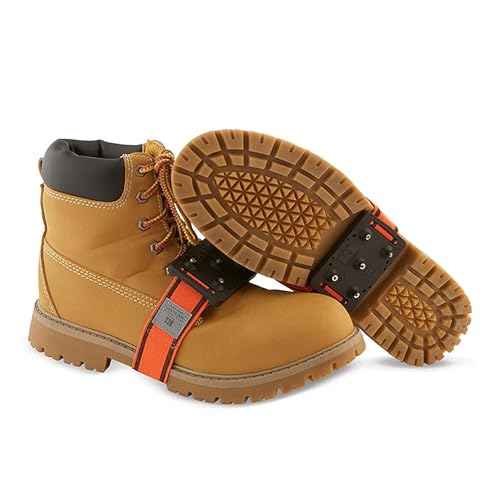
K1 Mid-Sole Ice Cleats for Men & Women - Rotatable Traction Aids For Winter Snow - Hi Vis - Original


As an Amazon Associate we earn from qualifying purchases. Product prices and availability are accurate as of the date/time indicated.

Ice Cleats Mid-Sole Snow Traction Cleats for Walking on Snow and Ice Anti-Slip Crampon with Adjustable Straps 7 Tungsten Studs for Secure Grip Anti Slip Crampons for Walking Jogging Hiking


As an Amazon Associate we earn from qualifying purchases. Product prices and availability are accurate as of the date/time indicated.

Yaktrax Walk Traction Cleats for Walking on Snow and Ice (1 Pair), Medium


As an Amazon Associate we earn from qualifying purchases. Product prices and availability are accurate as of the date/time indicated.

GGS Anti-Slip Ice Cleats for Shoes and Boots, Adjustable Mid-Sole Traction | One-Size Overshoe Ice Cleats with 7 Tungsten Carbide Studs, Rotatable Strap for Transitions and Flexible Cold-Weather Design


As an Amazon Associate we earn from qualifying purchases. Product prices and availability are accurate as of the date/time indicated.

Winter Walking Low-Pro Ice Cleat, Heavy-Duty Industrial Grade Traction Aid for Walking on Snow and Ice, Size Large (1 Pair)


As an Amazon Associate we earn from qualifying purchases. Product prices and availability are accurate as of the date/time indicated.

Ice Cleats for Shoes and Boots Traction Cleats Men Women Boot Chains Crampons for Anti Slip Outdoor Shoveling Hiking Walking on Snow and Ice (Silver, XL)


As an Amazon Associate we earn from qualifying purchases. Product prices and availability are accurate as of the date/time indicated.
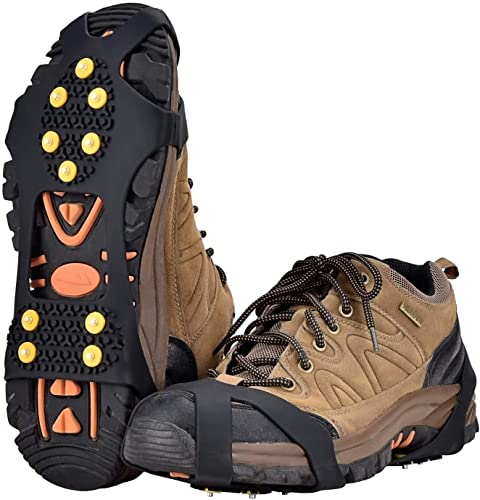
Aliglow Ice Snow Grips Over Shoe/Boot Traction Cleat Spikes Anti Slip Footwear


As an Amazon Associate we earn from qualifying purchases. Product prices and availability are accurate as of the date/time indicated.
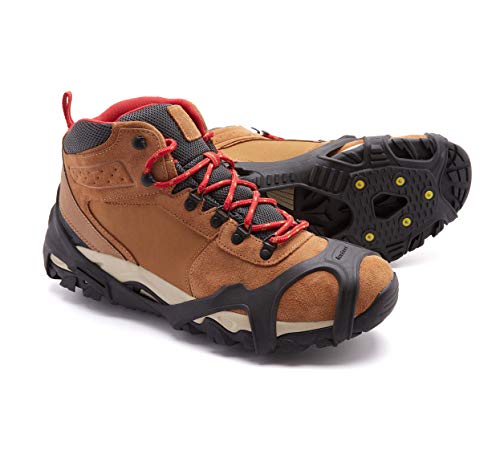
ICETRAX V3 Tungsten Crampons, Ice Cleats for Shoes and Boots - Ice Grips for Snow and Ice, Non-Slip Shoe Grippers with Reflective Heel


As an Amazon Associate we earn from qualifying purchases. Product prices and availability are accurate as of the date/time indicated.
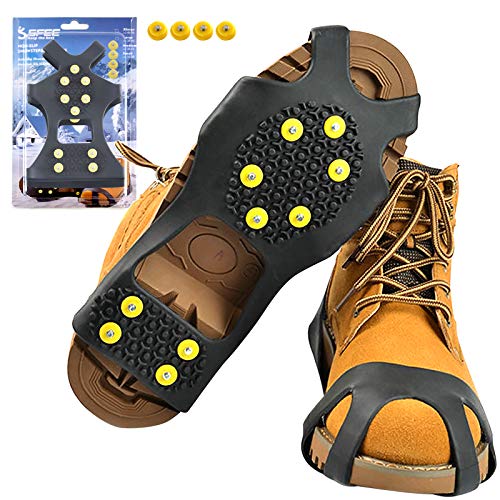
Sfee Ice Cleats for Boots Shoes, Snow Grips Cleats for Ice and Snow Anti-Slip Rubber Traction Cleats for Walking on Snow and Ice 10 Steel Studs Crampons for Hiking, Walking, Climbing, Jogging


As an Amazon Associate we earn from qualifying purchases. Product prices and availability are accurate as of the date/time indicated.
| Model | Key point from title | Price tier | Best for |
|---|---|---|---|
| Cimkiz Crampons Ice Cleats | 19 stainless steel spikes | Mid-range | Snowy trails and frozen docks |
| K1 Mid-Sole Ice Cleats | Rotatable traction aids, hi-vis | Premium | Low-light winter commutes |
| AGOOL Mid-Sole Cleats | 7 tungsten studs, adjustable straps | Mid-range | Walking and jogging on packed snow |
| Yaktrax Walk | Pair, Medium size named | Mid-range | Light, everyday sidewalk walking |
| GGS Anti-Slip Ice Cleats | One-size overshoe, 7 tungsten carbide studs | Budget | Shared use in a household |
| Winter Walking Low-Pro | Heavy-duty industrial grade, size Large | Premium | Work and job-site routes |
| Pecube Boot Chains | Chains and crampons, XL size named | Mid-range | Shoveling and yard chores |
| Aliglow Ice Snow Grips | Over-shoe traction spikes | Budget | Occasional light use |
| ICETRAX V3 Tungsten | Tungsten crampons, reflective heel | Mid-range | Daily walks at dusk |
| Sfee Rubber Traction Cleats | Rubber frame, 10 steel studs | Budget | Casual winter walking and trial buys |
How the ice cleat market is shifting
Ice traction listings have drifted in a few directions, and reading them as a set makes the trends easy to spot. First, more titles name the stud material. Tungsten, tungsten carbide and stainless steel all appear in this group, which suggests shoppers now compare hardness and stud type instead of buying generic spikes.
Second, strap design has become a selling point. Rotatable straps, adjustable straps and one-size overshoe frames are promoted as ways to fit more shoe shapes, from sneakers to work boots. Third, visibility details such as hi-vis colors and reflective heels appear more often, which makes sense when icy mornings and evenings often mean low light.
A fourth shift is the blurring line between walking aids and climbing gear. Several titles list hiking, climbing or mountaineering next to walking and shoveling. Be cautious: a lightweight cleat that helps on a frozen driveway is a different tool from a technical crampon, and a seller using both words does not make a product suitable for steep, glaciated or technical terrain.
Finally, there is a visible split between slim low-profile frames that sit close to the sole and chunkier chain or spike designs that bite harder but feel more obtrusive. Neither is simply better. These are general observations about how listings are written, not market statistics, and they may differ by season and seller.
How we picked these ten
We read each title, grouped the listings by style (mid-sole frames, chain or crampon designs, and rubber-and-stud frames), and kept the ones that commit to specifics such as stud count, stud material, strap type and size. Star ratings and review counts are left out because they shift daily, and price tiers are relative to this set rather than dollar figures. Nobody on the team used or measured these units. The titles are seller claims, so confirm details on the listing and the manufacturer’s page before buying.
The ten listings, one by one
Cimkiz 19-spike crampon-style cleats
The title advertises 19 stainless steel spikes, a unisex fit for women and men, and a long use list: hiking, fishing, walking, climbing and mountaineering. That is the highest spike count in this set, which suggests more contact points under the foot, though the title does not say how they are spread across the sole or how far they extend.
It suits someone who wants plenty of bite for snowy trails, icy docks or a frozen yard. Picture a weekend walk to a frozen lake: you slip these over hiking boots at the trailhead, cross the snowy path, and remove them before stepping into a cabin with hard flooring. Read the mountaineering mention as marketing; for walking on ice, not technical climbing.
- Pro: Highest spike count in the group, per the title.
- Pro: Stainless steel is named, and the shoe-and-boot fit claim is broad.
- Con: Spikes can be harsh on hard floors and slippery on tile.
- Con: Sizing and strap details are not in the title.
Check the listing for the size range, strap material and whether the spikes can be replaced. Question to ask before buying: will I mostly be on thick ice, where more spikes help, or on mixed pavement, where they will wear?
K1 Mid-Sole rotatable traction aids
The K1 title describes rotatable traction aids for men and women, a hi-vis color and the word “Original,” which reads as a brand-positioning claim rather than a spec. It is the second most expensive listing here, and the title is short on numbers: no stud count and no material is named, so the justification for the tier has to come from the listing page.
It suits a commuter or dog walker who walks early or late and wants to be seen. Imagine a 6:30 a.m. walk to a bus stop on shaded, icy pavement: a bright frame helps drivers notice you, and a mid-sole shape leaves the heel free. Rotation, as described, presumably refers to how the studs or pads turn, but the title does not explain it.
- Pro: Hi-vis color is named, helpful in low light.
- Pro: Mid-sole design and men-and-women fit claim.
- Con: Few specifics in the title, and a premium tier in this set.
- Con: Stud type and strap type are unconfirmed.
Check the listing for what rotates, stud material, the size chart and how many pairs you get. Question to ask before buying: what do I get for the extra cost compared with the tungsten-stud listings below?
AGOOL mid-sole cleats with 7 tungsten studs
This title packs in a lot: mid-sole snow traction cleats, adjustable straps, seven tungsten studs, and uses that include walking, jogging and hiking. It is a middle-tier price in this set, and it is one of the clearest matches for the general “tungsten studs, adjustable strap” profile described in the buying guide.
A good fit is a recreational walker or light jogger who wants one pair for neighborhood loops on packed snow. Scenario: you run on a snowy greenway after a storm, and the cleats stay on the forefoot without covering the heel. Jogging is a seller claim, so treat any running use cautiously and begin at an easy pace.
- Pro: Named stud count and material in the title.
- Pro: Adjustable straps, and walking-and-jogging use named.
- Con: Seven studs cover less area than higher-count designs.
- Con: Size range is not stated.
Check the listing for the shoe size range, strap material and whether the frame is flexible in cold weather. Question to ask before buying: do I wear running shoes or boots, and will the straps fit that shape?
Yaktrax Walk traction cleats, Medium
The Yaktrax title is the plainest in the set: traction cleats for walking on snow and ice, one pair, size Medium. It names no stud count, material or strap type, so what you learn from the title is limited to purpose and size. The brand name is widely recognized, but name recognition is not a spec.
It suits a casual walker who wants a recognizable product for sidewalks and the mailbox run, and who is willing to read the listing for the details. The size note matters: Medium covers a range of footwear, so compare it with the size chart before ordering rather than assuming it fits your boots.
- Pro: Clear purpose, one pair, with size stated.
- Pro: Mid-range tier in this set.
- Con: The title gives no construction detail.
- Con: Size is fixed to Medium, so a mismatch means a return.
Check the listing for what the traction elements are made of, how it attaches, the shoe size range for Medium and available sizes. Question to ask before buying: does Medium actually match my shoe length and width, with winter socks?
GGS one-size overshoe cleats with carbide studs
The GGS title names an adjustable mid-sole design, a one-size overshoe, seven tungsten carbide studs, a rotatable strap and a “flexible cold-weather design.” It is the cheapest of the stud-based listings here after the Sfee and Aliglow, and the one-size claim makes it attractive for households where several people share a pair.
It suits a family that wants one pair to cover different shoes. Scenario: two adults with different boot sizes alternate walking the dog, and one adjustable pair goes by the door. The tradeoff is that one-size fits can feel loose on narrow footwear, so check how much strap adjustment the listing describes.
- Pro: Tungsten carbide studs and a rotatable strap named.
- Pro: One-size adjustable fit and a budget tier.
- Con: One-size designs may feel loose on very small or very wide footwear.
- Con: The “rotatable” detail is not explained.
Check the listing for the stated shoe size range, stud replacement and cold-weather flexibility. Question to ask before buying: will the strap hold securely on my least snug pair of shoes?
Winter Walking Low-Pro heavy-duty cleats, Large
This is the most expensive listing in the group. The title calls it a heavy-duty, industrial-grade traction aid for walking on snow and ice, sold as one pair in size Large, and the brand is simply “Winter Walking.” The name “Low-Pro” suggests a slim profile, but the title does not define it.
It suits people who spend long days outdoors on icy ground: delivery routes, outdoor maintenance, a job that means walking icy lots. Scenario: a worker crosses a frozen parking lot and loading dock several times a shift, so durability counts for more than the lowest cost. Whether the build lives up to “industrial grade” is a seller claim to verify on the listing.
- Pro: Positioned for heavy-duty work use.
- Pro: Low-profile description may suit slim, close-fitting footwear.
- Con: Highest cost in the set.
- Con: No stud count, stud material or strap type in the title.
Check the listing for materials, boot compatibility with work footwear, and what Large covers. Question to ask before buying: do I need industrial durability, or would a mid-priced mid-sole cleat do the job?
Pecube boot chains and crampons, Silver XL
The Pecube title uses terms that overlap: ice cleats, traction cleats, boot chains and crampons, for shoveling, hiking and walking on snow and ice. The size is XL and the color is silver. The word “chains” suggests a chain-and-spike style, though the title does not say how many spikes or which material.
It suits someone with large boots who spends time on chores: clearing a driveway, shoveling a stoop, walking to a shed in deep snow. The XL size is notable because bigger boots are a gap in many one-size designs, and the listing may be worth checking if you wear a larger boot.
- Pro: XL size named, shoveling and walking use listed.
- Pro: Mid-range tier in this set.
- Con: No stud count or material in the title.
- Con: Overlapping terms make the exact design unclear.
Check the listing for photos of the underside, the spike material and the XL fit range. Question to ask before buying: is XL sized for my boot length, or only for a particular range of shoes?
Aliglow ice and snow grips for shoes and boots
The Aliglow title is brief: ice snow grips, over shoe or boot traction cleat spikes, anti-slip footwear. It is one of the two cheapest listings here, and the title offers little else to go on: no stud count, no material and no size.
It suits the shopper who wants a low-cost pair for occasional use, such as a trip to a snowy relative’s house or a weekend cabin. Scenario: you keep the pair in the car for the few days a year the sidewalks glaze over. The lack of detail is the reason to read photos, questions and the size chart on the listing before trusting it for daily use.
- Pro: Budget tier in this set.
- Pro: Simple over-shoe design, per the title.
- Con: Almost no construction detail in the title.
- Con: Fit and durability are unknown from the title alone.
Check the listing for the size range, the stud type and the material of the frame. Question to ask before buying: for the price, am I buying for occasional emergencies or for every-day winter walking?
ICETRAX V3 tungsten crampons with reflective heel
The title names tungsten crampons, ice grips for snow and ice, non-slip shoe grippers and a reflective heel. “V3” implies a version history, but the title does not describe what changed. Tungsten, a hard stud material, is the listing’s main spec, and the reflective heel is a rare visibility feature in this group.
It suits someone who walks at dusk or before dawn and wants both hard studs and a bit of reflectivity. Scenario: you walk a neighborhood loop after work in December, and a reflective heel catches headlights. Stud count and strap type are not stated, so the mid-range tier is a judgement relative to the set, not a promise about build quality.
- Pro: Tungsten named, and a reflective heel.
- Pro: For shoes and boots, per the title.
- Con: Stud count and size are missing.
- Con: Version number is unexplained.
Check the listing for the size options, stud count and strap design. Question to ask before buying: does the reflective heel stay visible when I wear long pants or boots?
Sfee rubber traction cleats with 10 steel studs
The Sfee title lists ice cleats for boots and shoes, anti-slip rubber traction cleats, ten steel studs and crampons for hiking, walking, climbing and jogging. It is the cheapest listing in the group by a hair, and the rubber frame suggests a stretchy fit, which may help it go over different shoe shapes.
It suits a shopper who wants to try cleats without spending much. Scenario: you walk a mixed route of snowy path and shoveled sidewalk, and want to see whether a rubber-and-stud frame is comfortable. Ten steel studs is a mid-range count here, but steel can be less wear-resistant than tungsten, which is a general observation, not a claim about this model.
- Pro: Lowest tier in the set, with a stated stud count of ten.
- Pro: Rubber frame may stretch to fit more shoes.
- Con: Steel studs may wear faster than tungsten on hard surfaces.
- Con: Sizing is not in the title.
Check the listing for the size range, rubber cold-weather flexibility and stud height. Question to ask before buying: how often will I walk on bare pavement, which wears studs down quickly?
Buying guide: choosing ice cleats for your winter
Ice cleats versus winter boots
Winter boots handle warmth, water resistance and everyday traction on snow, while ice cleats add hard contact points for slick ice. If your route is mostly snow, a boot with a deep, soft rubber sole may be enough. If it includes shaded sidewalks that melt and refreeze, or steps and ramps, cleats are the add-on that targets those slippery spots. Plenty of people use both, pulling the cleats on only for the icy stretch.
Mid-sole, full-sole and chain styles
Mid-sole frames, such as those in the AGOOL, GGS and K1 listings, cover the ball of the foot and leave the heel free, which keeps them lighter and easier to walk in. Chain or crampon styles, such as the Cimkiz and Pecube listings, may cover more of the sole and offer more points of contact. Low-profile frames like the Winter Walking listing aim to stay close to the shoe. Decide whether you want lighter and quicker to put on, or heavier and grippier.
Studs, spikes and wear
Tungsten and tungsten carbide are named as hard materials, steel and stainless steel are also common. Harder studs may last longer on abrasive surfaces, but any metal stud wears fast on bare pavement and concrete, so lift cleats off when you reach clear ground. Stud count affects how load is spread; stud length affects bite. Titles rarely give length, so read the photos.
Sizing and fit
Fit is the most common reason a cleat fails. A frame that is too loose shifts and can trip you; one that is too tight may crack in the cold. Sized listings (Medium for Yaktrax, Large for Winter Walking, XL for Pecube) require matching your footwear to the chart, while one-size designs like the GGS rely on strap adjustment. Try them on the footwear you will actually wear, with winter socks.
Surfaces to avoid and safety habits
Remove cleats before walking on tile, polished stone, hardwood, stairs indoors or any slick interior floor, and before driving. Metal studs can scratch surfaces and slide on smooth floors. Even with traction, walk with shorter steps, keep your hands free, and slow down on slopes. Cleats reduce slipping risk but do not remove it. Follow the manufacturer’s instructions and local codes for any workplace requirements.
Visibility and low-light walking
Short winter days push many walks into the dark, and ice often forms where light is poor, such as shaded driveways and bridges. A hi-vis color or reflective heel will not stop a slip, but it can make you easier to see while you pick your way across a road. If you walk near traffic, pair any cleat with a reflective vest or a light, and keep your phone and hands free for balance.
Care between walks
Road salt and grit can corrode metal and stiffen straps. Rinse the frame, let it dry away from direct heat, and check studs and straps before each outing. A cleat with a cracked frame, loose studs or a stretched strap should be retired, because a failure mid-step is worse than having no traction. Store pairs flat and together so the straps are not twisted.
Worked example: a 20-minute dog walk
Assumptions, all rough estimates: a 20-minute walk, about 70 percent on packed snow and ice, 20 percent on salted bare pavement and 10 percent on steps and entryways. About a third of the route is hard ground that can wear studs, so a pair you can slip off quickly beats one that stays on all day. A mid-sole frame with an adjustable strap fits that pattern; a heavier chain style makes more sense if the 70 percent is deep or rutted ice. If you wear different shoes on weekdays and weekends, a one-size adjustable design such as the GGS covers both, while sized listings need the right size for each pair.
| Spec concept | What to look for | Why it matters |
|---|---|---|
| Stud material | Tungsten, tungsten carbide or steel named | Harder studs may wear slower on abrasive ground |
| Stud count | 7 to 19 in this set | Spreads contact; not a guarantee of grip |
| Frame type | Mid-sole, chain, rubber | Sets weight, coverage and how fast they go on |
| Fit | Size chart or adjustable strap | Loose cleats shift; tight ones can crack in cold |
| Visibility | Hi-vis color or reflective heel | Helps in dark winter mornings and evenings |
Mistakes buyers make
Buying on stud count alone is the first error; the fit and frame decide how the studs meet the ice. Second, ignoring the size chart: Medium, Large and XL labels differ by brand, and a one-size claim still has limits. Third, wearing cleats indoors or while driving, which risks slips and scratched floors. Fourth, choosing a technical-sounding crampon for ordinary sidewalks, then finding it clumsy and heavy. Fifth, skipping the care step: dry the frame, rinse off salt and store it flat so the straps do not stretch. Sixth, assuming cleats make you slip-proof, which can lead to faster, riskier walking. Finally, treating “mountaineering” in a title as proof of technical suitability; for steep or glaciated terrain, use equipment made for it.
Verdict by use case
Everyday walking and dog walks: AGOOL, GGS or K1, for mid-sole shape and clear strap descriptions. Dusk and dawn: K1 (hi-vis) or ICETRAX V3 (reflective heel). Heavy chores and large boots: Pecube in XL, or Cimkiz for the high spike count. Work routes: Winter Walking, if you accept the premium tier for the industrial-grade claim. Light, occasional or trial buys: Sfee or Aliglow, bearing in mind how little their titles say. Familiar, simple walking aid: Yaktrax, once you confirm Medium fits. Whatever you choose, confirm the details on the listing before ordering.
Questions people ask
What are the best ice cleats for everyday walking on snow and ice?
For ordinary sidewalks, driveways and dog walks, a mid-sole style with tungsten studs and an adjustable strap is a sensible starting point. In this set the AGOOL, GGS and K1 listings describe that kind of design in their titles. Heavier spike designs such as the Cimkiz and Pecube listings add bite on thick ice but can feel more aggressive. Check each listing for sizing, because fit decides whether a cleat stays put.
Are ice cleats better than winter boots with deep tread?
They solve different problems. Winter boots keep feet warm and dry and give some grip on snow, while ice cleats add metal or hard-edged contact points for glare ice and packed ice, where rubber tread alone can slide. Many people wear both: boots for warmth, cleats on top when the surface turns icy. Boots with good tread are a better fit for mixed, mostly snowy ground, and cleats are the add-on for slick patches.
Can I wear ice cleats indoors or while driving?
It is best not to. Metal studs and spikes can be slippery on tile, polished stone and hardwood, and they can scratch floors. Take cleats off before you step inside, and before you drive, because bulky frames can interfere with feeling the pedals. Slip them on once you are back on the icy surface. Follow the manufacturer’s instructions for each product, since some designs add more height under the sole than others.
How do I choose the right size of ice cleats?
Start with the sizing information on the listing, because sizes vary between brands. The Yaktrax listing names Medium, the Winter Walking listing names Large, and the Pecube listing names XL, while the GGS listing describes a one-size adjustable fit. Compare your shoe or boot length and width with the size chart, and allow for thick winter footwear. A cleat that is too loose can shift mid-step.
Do cleats with more spikes grip better?
Not automatically. Spike count is only one factor, alongside stud material, stud length, where the studs sit under the foot and how well the frame stays on your shoe. A high count such as the 19 spikes in the Cimkiz title may spread contact points, but a well-fitted seven-stud design can still feel steadier than a loose one. Judge the whole design, not the number.
How should I care for and store ice cleats?
Rinse off road salt and grit after use, let the frame dry away from direct heat, and store it flat so the straps and rubber keep their shape. Inspect studs, straps and attachment points before each winter and stop using a pair with cracks, loose studs or stretched straps. Metal can rust if left wet, so dry before storing. Follow the manufacturer’s care instructions on the listing.