For most travelers, a polycarbonate hardside carry-on from a maker with a solid warranty, such as the Away Carry-On, the Samsonite Omni PC or the Delsey Paris Chatelet Air 2.0, offers the best balance of protection and weight, while frequent flyers who want repairability should look at Briggs and Riley and those who prioritize a lightweight aluminum look should consider Rimowa. The right choice depends on airline size limits, how much you overpack, and how rough your trips are.
Our top picks
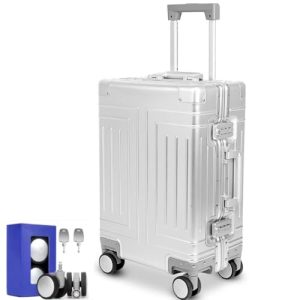
 Amazon Essentials 21" Hardside Carry-On Luggage
- Best for 1-5 day trips without the hassle…
- Extra-thick hard shell with scratch-resistant finish guards against…
- Increase packing space up to 25% for added…


As an Amazon Associate we earn from qualifying purchases at no extra cost to you.
At a glance: hardside carry-on options
| Bag | Best for | Shell and features the maker lists | Limits |
|---|---|---|---|
| Away The Carry-On | Style-minded travelers, design-focused buyers | Polycarbonate shell, spinner wheels, built-in compression, lifetime-style limited warranty from the maker | Mid-range to premium tier, no standard expansion on the main model |
| Samsonite Omni PC Hardside | Budget-conscious flyers | Polycarbonate shell, spinner wheels, TSA-accepted lock | Heavier and more basic interior than premium picks |
| Delsey Paris Chatelet Air 2.0 | Lightweight packing, stylish finish | Polycarbonate shell, spinner wheels, integrated lock | Premium-feeling finish at a mid-range tier |
| Travelpro Platinum Elite Hardside | Road warriors, business travel | Hardside shell, spinner wheels, organization features | Several size options; confirm the exact carry-on version |
| Briggs and Riley Baseline or Sympatico hardside | Heavy use, long-term ownership | Lifetime guarantee that covers repairs, per the maker | Premium tier, heavier than many rivals |
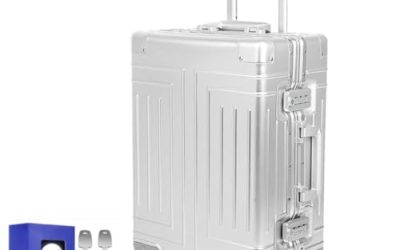
| Rimowa Essential Cabin or Classic Cabin | Aluminum or polycarbonate premium look | Maker lists polycarbonate for Essential and aluminum for Classic | Premium tier, aluminum dents and scratches |
Model lines are refreshed often and sizes differ by version. The maker’s product page lists exact dimensions, weight and warranty terms.
Hardside versus softside: why choose a shell
A hardside bag protects fragile items better than fabric because its shell resists crushing in an overhead bin and is naturally water resistant. Reviewers also note that hardside bags are easier to wipe clean and that a polycarbonate shell flexes rather than cracks under impact. The trade-offs are that hard shells show scratches, cannot be squeezed into a tight sizer or small bin, and rarely have outside pockets. If you regularly cram a bag into a regional jet’s bin, a softside carry-on remains the more forgiving option.
Understand your airline’s carry-on limits first
Many US airlines state a carry-on limit of roughly 22 by 14 by 9 inches including wheels and handles, but this varies by airline and fare class, and low-cost carriers often enforce stricter rules for the free personal item. Many European and Asian carriers use centimeters and weight limits, and some limit cabin bags to a fixed weight. Compare the bag’s dimensions listed by the maker, including wheels, against your airline’s published limits. Some makers list the shell dimensions only, which means the total with wheels can be larger than the headline number.
Materials explained
- Polycarbonate: flexible, light and resistant to cracking. This is what most mainstream hardside bags use.
- ABS: cheaper and stiffer, but can crack under impact. Many budget bags use it or blend it with polycarbonate.
- Polypropylene: very light and impact resistant, used by some makers for their lighter models.
- Aluminum: iconic and rigid, but heavier, and it dents and shows wear. Reviewers describe this as part of the character of an aluminum bag.
Features that matter in a hardside carry-on
Wheels
Four double spinner wheels glide beside you in an aisle and in an airport, while two-wheel inline designs tolerate rough pavement better and take up less room. Most reviewers favor spinners for smooth floors, so match the wheel type to the surfaces you meet most often.
Clamshell opening
Hardside bags usually open like a clam into two halves, which means you need floor or bed space to open them flat. The zipper is the main failure point, so look for self-repairing coil zippers if the maker lists them.
Handle and weight
A telescoping handle should lock firmly with no wobble, and the bag should have grab handles on top and side. Weight matters because airline weight limits and your arm both feel it. Among the picks above, polycarbonate bags generally weigh less than the aluminum one, though the specific weights depend on the model.
Locks
Many bags offer a built-in combination lock designed for use with TSA-accepted systems in the United States. These deter casual opening only. Do not rely on any bag lock for valuables, and keep medication, electronics and travel documents with you.
Power bank compartments
Some bags include a removable battery compartment. Airlines and regulators in many countries require spare lithium batteries and power banks to travel in the cabin, not checked baggage, so follow your airline’s current rules. If a bag has a built-in charger, check whether the airline requires it to be removable before you check the bag.
Warranty and repairability
A hardside shell can crack, and wheels do wear out. Briggs and Riley stands out for stating that its guarantee covers repair, including airline damage, per the maker. Away and Samsonite provide limited warranties with terms that vary by region and product, and Rimowa offers a repair service. Read the warranty page for what is excluded, such as airline damage, normal wear or damage from overstuffing.
Budget tiers
- Budget: Samsonite Omni PC and similar. Solid shells and spinner wheels with fewer organizational touches.
- Mid-range: Away, Delsey Chatelet Air 2.0, Travelpro Platinum Elite. Better wheels and zippers, nicer interiors.
- Premium: Briggs and Riley, Rimowa. Strongest warranty or design reputation, higher cost.
Care tips
- Wipe the shell with a damp cloth and mild soap; avoid abrasive cleaners that dull the finish.
- Do not overpack. A bag that bulges strains its zipper.
- Lift the bag rather than dragging it across rough ground, which wears wheels.
- Let the bag dry fully before storing it.
- Add a bright strap or luggage tag. Many hardside bags look alike.
Pick the bag if …
| You are | Pick | Why |
|---|---|---|
| On a tight budget but want a hard shell | Samsonite Omni PC | Simple, widely available, easy to replace |
| Wanting a stylish bag with smart features | Away The Carry-On | Clean design and compression system |
| Packing light and wanting low weight | Delsey Paris Chatelet Air 2.0 | Reviewers describe it as light for its shell |
| A frequent business traveler | Travelpro Platinum Elite | Organization features and pilot-style heritage |
| Buying one bag for many years | Briggs and Riley | Repair-focused guarantee from the maker |
| Wanting an iconic aluminum or premium look | Rimowa Classic or Essential Cabin | Distinctive design, premium tier |
Alternatives
- Softside carry-on: better for squeezing into small bins and for outside pockets, but less protective and less water resistant.
- Expandable hardside: some models add an expansion zipper, which helps with souvenirs but can break airline size limits if expanded in the cabin.
- Carry-on backpack or duffel: a flexible choice for budget airlines and trips that involve stairs and cobblestones.
How to choose between similar bags
Once you have narrowed the field to two or three bags, the differences come down to details that spec sheets rarely highlight. Start with interior layout. Some clamshell bags split the packing space evenly, while others give one side a zip divider and the other side straps. If you pack shirts and trousers, a divider helps keep a folded stack flat; if you roll clothes and use packing cubes, an open half is more useful. Think about how you pack before choosing, because a clever interior that does not match your habits becomes a nuisance.
Next, look at the footprint. A bag that is shallow and wide stands more stably on a train rack, but a deeper bag swallows more clothing and may press against the airline’s depth limit. Reviewers often note that the printed size on the maker’s page can differ from what a measuring tape finds, especially once wheels, handles and any bumper feet are included. If you are close to your airline’s limit, measure your shortlisted bag after unboxing and be ready to return it if it exceeds the allowance.
Common problems and how to avoid them
- Zipper strain: overfilling pulls the teeth apart. Use the bag’s compression straps and leave a small gap when you close it.
- Cracked corners: repeated drops from a height stress a shell. Lift rather than toss the bag onto a conveyor.
- Wheel wobble: sand and grit enter the bearings. Rinse the wheels with a damp cloth after a beach or city trip.
- Handle rattle: a loose telescoping handle is a warranty matter, so contact the maker rather than modifying it.
- Scuffed finish: matte and textured finishes hide scratches better than glossy ones.
When buying from any seller, keep proof of purchase and read the return window. Some makers allow a trial period, which is worth using by packing the bag fully and rolling it around your home before you commit.
Frequently Asked Questions
Is hardside or softside luggage better for carry-on?
Hardside bags protect fragile items and resist water better, while softside bags squeeze into tight spaces and offer outside pockets. If you pack electronics or fragile gifts, a hardside is the safer choice. If you often fly regional or low-cost airlines with tight bins, a softside may fit more easily.
What size is a standard carry-on?
Many US airlines list around 22 by 14 by 9 inches including wheels and handles, but limits differ by airline. Always compare the bag’s total dimensions against your airline’s published size and weight limits. Low-cost carriers can be stricter.
Does a hardside bag crack easily?
Polycarbonate is chosen because it flexes under impact rather than cracking, but no shell is indestructible. Cold temperatures and heavy impacts can cause damage, and cheaper ABS shells crack more readily. A warranty that covers damage helps.
Are built-in locks secure?
Combination locks on luggage are meant to deter casual opening and to allow security staff to inspect bags. They are not a substitute for keeping valuables, medication and documents with you.
Can I bring a power bank in a carry-on?
Airlines and aviation authorities generally require spare lithium batteries and power banks to travel in the cabin rather than in checked baggage, with limits on capacity. Read your airline’s rules before packing.
How do I keep a hardside bag looking new?
Wipe it with a damp cloth, avoid dragging it, and use a protective cover if you want to limit scratches. Textured finishes tend to hide scuffs better than glossy ones.
More from Amazon
Programs that pair well with the guide above. Offers and eligibility are set by Amazon and may change.
Free shipping on eligible items, Prime Video and more. Eligible new members can start with a free trial.
Start a Prime free trialA Prime membership for ages 18-24 with a trial period. Eligibility is set by Amazon.
See Prime for Young AdultsAudiobooks and podcasts to listen to on the go. Eligible new members can start with a free trial.
Try Audible freeAd-free music streaming. Eligible new subscribers can start with a free trial.
Try Music Unlimited freeAs an Amazon Associate we earn from qualifying purchases.