
Key takeaways
- The phrase "best hiking backpacks" hides a surprisingly wide range of needs. A 15-liter packable bag that folds into its own pocket is a very.
The phrase “best hiking backpacks” hides a surprisingly wide range of needs. A 15-liter packable bag that folds into its own pocket is a very different tool from a 50-liter pack with compression straps, even though both land in the same search results. Before comparing straps and pockets, decide how many hours you will be on the trail and whether you need to carry a sleeping layer, a rain shell and food for the day, or just a bottle and a snack. Capacity is the first filter; everything else follows from it.
This guide is for day hikers, weekend campers and travelers who want one pack that can double as a trail bag on a city trip. The picks were chosen from listing titles only, so the comments stick to stated capacity, weight, rain cover, hydration and packability. Matching the pack to your route matters more than buying the biggest option, and 2026 trail seasons are a good time to rethink what actually rides on your back.
Quick Picks
Our top picks




As an Amazon Associate we earn from qualifying purchases at no extra cost to you.
| Product | Best for | Key spec from the title |
|---|---|---|
| Maelstrom 40L Hiking Backpack | Long day hikes and light overnighters | 40L, rain cover, rip-stop nylon |
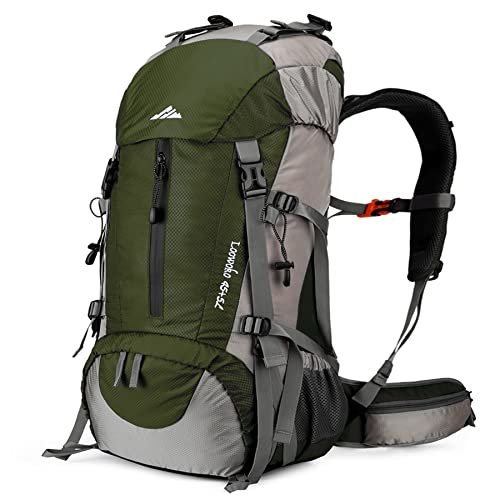
| Loowoko 50L Hiking Backpack | Multi-day gear hauling | 50L, rain cover, 2.8 lbs |
| Hydration Backpack with 2L Bladder | Running, cycling and short hikes | 2L water bladder, lightweight |
| UtiaMiaoGonGo 15L Packable Backpack | Quick walks and travel spare bag | 15L, foldable, packable |
| MIYCOO 35L Ultralight Packable Backpack | Weekend day trips | 35L, water-resistant, foldable |
| G4Free 20L Packable Backpack | Short trails with a phone pocket | 20L, phone pocket, foldable |
How to Choose
Start With Capacity in Liters
As a general guide, 10 to 20 liters covers a short walk with water, a snack and a light layer. Around 25 to 35 liters handles a full day with extra clothing and food. Packs in the 40 to 50 liter range are for overnight loads or bulky gear. These ranges are rules of thumb, not guarantees, so match the pack to your own kit. A bag that is too big tempts you to overpack, while one that is too small forces awkward lashing. Try a quick exercise: lay out everything you carried on your last hike, estimate the volume, then add a margin of about a quarter for a jacket or a spare snack. That number is a better guide than any marketing label.
Weight, Straps and Fit
Torso length and hip fit decide comfort more than a listed liter count. Titles here rarely include torso ranges, so check the listing for adjustment details, a sternum strap and a hip belt. The Loowoko title lists 2.8 lbs, which is a useful number to compare against your own load. A heavy pack with thin straps becomes tiring quickly, so check padding on shoulder straps and back panel. Ventilation matters too, because a flat back panel traps heat in summer, and a sternum strap can help keep straps in place on uneven ground. None of this replaces trying the pack on with a typical load, so keep the return policy in mind.
Weather Protection and Materials
Rain covers are named in the Maelstrom and Loowoko titles, and the MIYCOO and G4Free listings say water-resistant. Water-resistant is not waterproof, so pack electronics and spare layers in dry bags if the forecast looks wet. Rip-stop nylon, as the Maelstrom title names, is a common choice for resisting small tears. Ignore buzzwords and read what the listing says about fabric, zippers and seams. Temperature and waterproof ratings should only be trusted when stated on the listing.
Packable Versus Structured Designs
Foldable packs such as the UtiaMiaoGonGo, MIYCOO and G4Free stuff into a pocket and double as travel spares, but they usually lack structure and suspension. Structured packs add support and organization, at the cost of weight and bulk. Hydration packs add a bladder but limit space, and bladders need rinsing and drying after use to stay fresh. Budget models often cut corners on strap padding, zipper quality and internal organization, so decide what you will tolerate for a bag you will wear for hours. Weight savings on the scale can disappear if you have to carry extra stuff sacks, so think about the whole system rather than one number.
The 6 Best Options
Maelstrom 40L Hiking Backpack
Maelstrom’s pack is a lightweight camping daypack with a rain cover, water-resistant rip-stop nylon, wet and dry separation and multiple pockets. It appears in several color listings with the same description.
- Strength: a rain cover is included, as the title states.
- Strength: wet and dry separation helps keep damp gear away from dry items.
- Trade-off: the visible title does not list weight or torso adjustment, so check the listing.
Skip it if you want a small bag for short walks or a hydration-focused design. Because the same description appears under several color listings, compare the options and confirm that the version you pick matches the details you want. For buyers who want one mid-large pack for day hikes, car camping and the occasional weekend, it is the broadest all-rounder in this group.
Loowoko 50L Hiking Backpack
Loowoko describes a 50-liter pack for men and women, lightweight at 2.8 lbs, with a rain cover and external extension with compression straps. It offers the highest capacity in this group.
- Strength: 50 liters of volume gives room for overnight loads.
- Strength: compression straps and an external extension help manage bulk.
- Trade-off: the larger size means more weight when loaded, and fit details are not in the visible title.
Skip it if your trips are short day hikes that never need this capacity. Anyone considering it for a multi-day trip should confirm the hip belt, torso adjustment and back panel on the listing, since those details decide how a full pack actually carries. Used as a travel duffel alternative, it can also work, but its size is better matched to genuine overnight gear.
Lightweight Hydration Backpack with 2L Water Bladder
This hydration pack includes a 2-liter bladder and targets running, cycling and hiking. It is small and light, designed for people who want water close at hand.
- Strength: the bladder system lets you sip while moving.
- Strength: the lightweight, small format suits fast-paced outings.
- Trade-off: limited room for extra layers or bulky gear.
Skip it if you need to carry food, a jacket and camera gear for a long day. Hydration packs reward people who move steadily and rarely stop to open a bag, so think about whether you tend to snack and shed layers during a hike. The bladder also needs periodic cleaning, which adds a small chore to the routine.
UtiaMiaoGonGo 15L Small Hiking Backpack
The UtiaMiaoGonGo is a 15-liter colorful packable backpack for men and women. The foldable design makes it easy to stash in a suitcase.
- Strength: it folds small for travel.
- Strength: the 15L size suits short walks and sightseeing.
- Trade-off: a casual packable design usually offers less support than a structured pack.
Skip it if you plan long hikes with heavier loads. It makes the most sense as a second bag that rides in a suitcase and comes out for a coastal walk, a market day or a short viewpoint hike, rather than as the main pack for a serious route. Check the listing for pocket layout and strap details before buying.
MIYCOO 35L Ultralight Packable Backpack
MIYCOO offers a 35-liter water-resistant ultralight pack that is foldable and sold for hiking, camping and travel in black. The capacity sits in the sweet spot for day trips.
- Strength: 35L capacity is flexible for full-day outings.
- Strength: it packs down for storage and travel.
- Trade-off: ultralight packables may skimp on padding, so check strap details on the listing.
Skip it if you want a rain cover included; the visible title does not mention one. Buyers drawn to the 35L size should think about whether they truly need that volume, because a packable pack that is overloaded can feel uncomfortable on the shoulders. It is a smart option for a traveler who wants a day bag that disappears into a suitcase on flight days.
G4Free 20L Packable Hiking Backpack
G4Free packs 20 liters into a foldable, water-resistant daypack with a phone pocket. It is a good middle option between the tiny 15L and the larger 35L.
- Strength: a dedicated phone pocket keeps your device handy.
- Strength: foldable design for easy storage.
- Trade-off: 20 liters limits extra clothing and food for longer outings.
Skip it if you need hip-belt support or a large capacity. The phone pocket is a small but welcome convenience for photos and navigation apps, and keeping the device on a strap or in a front pocket means fewer stops to dig through the main compartment. As always, confirm dimensions and strap details on the listing.
Which One Fits Your Situation
A Weekend Overnight Trip
The Loowoko 50L gives the most space, and its compression straps help keep a fuller load tidy. Pair it with a packing list and a dry bag for the sleeping layers, then weigh the loaded pack at home before the trip.
A Full Day on a Mountain Trail
The Maelstrom 40L, with its rain cover and wet and dry separation, suits a long day. It leaves room for a jacket, lunch and a first-aid pouch without feeling oversized.
Traveling Light With One Carry-On
Pack the UtiaMiaoGonGo 15L or MIYCOO 35L in your suitcase and unfold it at the destination. The packable styles weigh little and take almost no suitcase space, which is the whole point for a traveler.
Short, Fast Outings
The hydration pack with a 2L bladder is the pick when water access matters most. It fits a morning loop where the main needs are water, keys and a light layer, and nothing more.
When two packs seem equal on paper, pick the one with the simpler layout. Fewer zippers and pockets mean fewer places to lose a map or a key, and a clean main compartment makes it easier to repack quickly when clouds roll in.
Common Mistakes
- Buying the largest pack and filling it with unnecessary weight.
- Ignoring torso length and hip fit.
- Assuming water-resistant means waterproof.
- Choosing a packable bag for heavy loads it was not built to carry.
- Skipping a trial load at home before the first hike.
Related guides
- Lightweight Carry On Suitcase With Laptop Compartment
- Universal Travel Adapter For Europe
- Rfid Passport Holder Wallets
Frequently Asked Questions
How many liters suit a day hike?
Many day hikers use 20 to 35 liters, depending on layers and food. Pick the smallest pack that holds your gear comfortably.
Is a rain cover necessary?
It is helpful in wet weather, and two titles here include one. Dry bags for electronics add another layer of protection, and a thin trash bag liner works as a budget backup.
Are packable backpacks good for serious hiking?
They suit light loads and travel, but they usually lack the structure for heavier gear. Choose a structured pack for longer trips.
How should a hiking pack be loaded?
Keep heavy items close to your back and near the middle, with lighter items at the bottom and top. Adjust straps once loaded and check the manufacturer’s guidance.
More from Amazon
Programs that pair well with the guide above. Offers and eligibility are set by Amazon and may change.
Free shipping on eligible items, Prime Video and more. Eligible new members can start with a free trial.
Start a Prime free trialA Prime membership for ages 18-24 with a trial period. Eligibility is set by Amazon.
See Prime for Young AdultsAudiobooks and podcasts to listen to on the go. Eligible new members can start with a free trial.
Try Audible freeAd-free music streaming. Eligible new subscribers can start with a free trial.
Try Music Unlimited freeAs an Amazon Associate we earn from qualifying purchases.


