Frequent flyers who want a metal suitcase that can take years of baggage handling should look at the Rimowa Original, Zero Halliburton Classic Aluminum or Tumi 19 Degree Aluminum range, while those who want the look and durability of aluminum without the weight and premium tier may be better served by a polycarbonate hardside from a mainstream brand. Aluminum is tough and repairable, but it is heavy, dents, and sits at the premium end of luggage, so the question is whether the benefits justify those trade-offs for your travel pattern.
Aluminum Luggage at a Glance
| Suitcase | Best for | Stated traits | Limits |
|---|---|---|---|
| Rimowa Original (cabin and check-in sizes) | Frequent flyers who value a long-lived, repairable case | Maker lists an aluminum shell with its signature grooves, multi-wheel system and TSA-approved locks | Premium tier; heavier than polycarbonate; shows dents and scratches |
| Zero Halliburton Classic Aluminum | Travelers who like a vault-style case | Maker lists a seamless aluminum shell with a compression-resistant frame | Premium tier; weight; limited interior organization |
| Tumi 19 Degree Aluminum | Business travelers who want aluminum with a modern interior | Maker lists an aluminum body with organized interior and multi-direction wheels | Premium tier; weight |
| Away aluminum-edition cases | Travelers who want a more design-led, direct-to-consumer option | Maker has offered aluminum editions of its cases with a lifetime-style warranty on certain models | Availability varies by region and season; weight |
| Polycarbonate hardside | Weight-conscious frequent flyers on a budget | Lightweight shell that flexes under impact | Scuffs, can crack under severe impact |
Model lines and materials change over time, so confirm current shell material, weight and warranty on the maker’s page.
Why Choose Aluminum?
Durability and repair
Aluminum shells are generally stiffer than polycarbonate and protect contents against crushing. Premium makers often sell replacement parts and offer repair services, which can stretch the life of a suitcase far beyond a cheap bag. Reviewers frequently point out that dents are part of the appearance of an aluminum suitcase, and many owners see them as character rather than damage.
Weight
The main drawback is weight. An empty aluminum suitcase is typically heavier than a comparable polycarbonate one, which eats into airline weight allowances. If you often travel on airlines with strict limits, the empty weight matters more than almost any other spec. Compare the maker’s stated empty weight and your airline’s limits before buying.
Security and locks
Many aluminum cases include TSA-approved combination locks that allow screening agents to open them without breaking the lock. A rigid frame and a strong closure make it harder to force. No luggage is theft-proof, and valuables are better kept in a carry-on.
Wheels and handles
Frequent flyers should look at wheel quality and the telescoping handle, since these fail first on cheap bags. Look for multi-wheel spinner systems with replaceable parts, a handle with multiple height settings, and a solid grab handle on the top and side.
Picks by Need
Rimowa Original: the benchmark
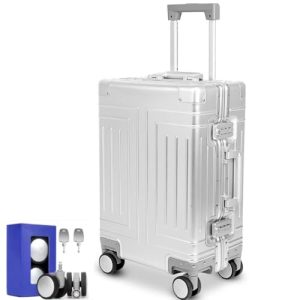
The Rimowa Original is widely regarded as the reference aluminum suitcase, with a long design lineage. The maker lists an aluminum shell, spinner wheels and an organized interior with a compression system. Outlets generally treat it as a long-term investment for frequent flyers who value repair services and resale. It is not the lightest option, and the premium tier is a real consideration.
Zero Halliburton Classic Aluminum: vault-style protection
Zero Halliburton cases are known for their rugged look and rigid frame. The maker lists a seamless aluminum shell. This suits travelers who want maximum protection and a distinctive appearance, though they are heavy and the interior is more utilitarian than organized.
Tumi 19 Degree Aluminum: business-friendly
Tumi positions this line toward business travelers, with an organized interior and smooth wheels. It sits at the premium end and, like other aluminum cases, is heavier than a polycarbonate alternative.
Away aluminum edition: design-led option
Away has offered aluminum editions of select cases, aimed at travelers who like its interior features and warranty. Availability and exact specifications change, so read the maker’s page. It is worth considering if you prefer buying direct and like a more modern look.
Polycarbonate hardside: practical alternative
For many frequent flyers, a well-made polycarbonate case offers most of the protection at lower weight and cost. It flexes rather than dents, which helps with impacts, but scuffs show and severe impacts can crack the shell.
Budget Tiers and Trade-offs
| Tier | What to expect | Trade-off |
|---|---|---|
| Budget | Polycarbonate or ABS hardsides from mainstream brands | Less repairability, wheels and handles wear sooner |
| Mid-range | Quality polycarbonate hardsides with replaceable parts and good warranties | Not metal; scuffs show |
| Premium | Aluminum cases from established luxury makers with repair networks | Weight and a high entry cost |
Size, Weight and Airline Fit
Choose the size based on how you fly. A cabin-size aluminum case suits short trips and keeps you out of baggage claim, but its empty weight may be a noticeable share of a strict cabin weight limit. A check-in size case offers more space, but a full aluminum suitcase can approach weight limits quickly. Airlines publish size and weight limits, and these vary by carrier and fare class. Measure the case including wheels and handles.
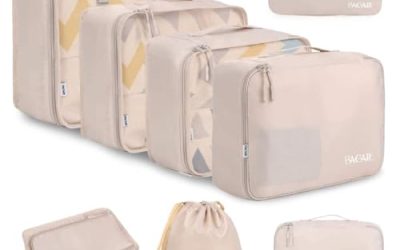
Avoid overpacking the case, since a bulging case stresses zips or latches. Use packing cubes to distribute weight, and place heavy items near the wheels.
Care and Maintenance
Wipe the shell with a damp cloth, and avoid abrasive cleaners that can harm finishes. Keep the wheels free of debris, and check latches and handles periodically. Many makers recommend professional service for structural repairs. Do not stand on or sit on luggage unless the maker says it is designed for it.
Pick X If… Decision Table
| Pick this | If you… |
|---|---|
| Rimowa Original | Want a long-lived, repairable benchmark case |
| Zero Halliburton Classic Aluminum | Value rigid vault-style protection and a distinctive look |
| Tumi 19 Degree Aluminum | Travel for business and want an organized interior |
| Away aluminum edition | Prefer a design-led direct-to-consumer brand |
| Polycarbonate hardside | Want lower weight and a lower entry cost |
Alternatives Worth Considering
- Polycarbonate hardsides from Samsonite, Travelpro or similar: Lighter and more affordable.
- Ballistic nylon softside luggage: Flexible, with outside pockets, and often lighter.
- Aluminum-frame carry-ons with fabric shells: A compromise between structure and weight.
Buying Checklist for Frequent Flyers
- Read the maker’s stated empty weight and compare it with your airline’s allowance for both cabin and checked bags.
- Look at warranty terms and whether the maker operates a repair network in the countries you visit most.
- Inspect the wheels, handle and latches, since these wear before the shell does.
- Check the interior layout: a divider with straps keeps clothes from shifting, while a zipped half helps separate clean and worn items.
- Consider a luggage tag and a colored strap or sticker, because many aluminum cases look alike on a baggage carousel.
Frequent flyers also benefit from thinking about total cost of ownership. A suitcase used on dozens of trips a year can cost less per trip than a cheap case replaced every two seasons, provided it is repaired rather than discarded. If you fly only a few times a year, that math is less convincing, and a lighter, less expensive case may be the more practical choice.
Frequently Asked Questions
Is aluminum luggage worth it for frequent flyers?
It can be if you value long-term durability and repair services and are willing to accept the weight and premium tier. For many travelers, a quality polycarbonate hardside delivers similar everyday results at lower cost. Think about how many trips you take each year and whether the case will be replaced anyway.
Does aluminum luggage dent?
Yes, aluminum shells can dent and scratch, and owners often treat this as part of the look. The shell is generally rigid enough to protect contents. If you want a pristine appearance, aluminum may not suit you.
Is aluminum luggage heavier than polycarbonate?
Typically yes, an empty aluminum case weighs more than a comparable polycarbonate one. Weight matters on airlines with strict limits. Check the maker’s stated weight before buying.
Can aluminum suitcases be repaired?
Premium makers commonly offer repair services and sell replacement parts, such as wheels and handles. This is one reason frequent flyers consider them an investment. Warranty terms differ, so read the maker’s policy.
Are aluminum suitcases secure?
They have rigid shells and strong closures, and many include TSA-approved locks. No suitcase is theft-proof, so keep valuables, medication and documents in your carry-on.
What size aluminum suitcase should I buy?
A cabin size suits short trips and avoids baggage claim, but check airline limits. A check-in size offers more space but can become heavy when full. Many frequent flyers buy both for different trips.
More from Amazon
Programs that pair well with the guide above. Offers and eligibility are set by Amazon and may change.
Free shipping on eligible items, Prime Video and more. Eligible new members can start with a free trial.
Start a Prime free trialA Prime membership for ages 18-24 with a trial period. Eligibility is set by Amazon.
See Prime for Young AdultsAudiobooks and podcasts to listen to on the go. Eligible new members can start with a free trial.
Try Audible freeAd-free music streaming. Eligible new subscribers can start with a free trial.
Try Music Unlimited freeAs an Amazon Associate we earn from qualifying purchases.