Key takeaways
- Measure your sitting depth: sit with your back against a firm surface and measure from your back to the area just behind your knees. Compare this with the chair’s usable seat depth, leaving room so the front edge doesn’t press into your legs.
- Check foot support: when seated, your feet should rest on the floor or a footrest. If the seat is deep enough for your thighs but leaves your feet unsupported, a footrest may help; it won’t fix a seat that is fundamentally too deep.
- Position lumbar support: adjust it to meet the inward curve of your lower back. If it pushes hard against one spot or sits too high, try another setting before deciding the chair is comfortable.
- Test the recline separately: a chair that feels comfortable upright may not feel right when reclined. Check whether the back moves with you and whether the controls are easy to reach.
Best Branch Office Chairs Compared: Which Model Fits You
The best Branch office chair depends on what you need to adjust: choose the Ergonomic Chair for the broadest fit controls, the Daily Chair for a lower-cost everyday setup, the Verve Chair for a more design-forward look, or the Softside Chair if a cushioned, upholstered style matters more than extensive adjustment. Before buying, confirm current specifications and warranty terms with Branch: product details can change, and the four models don’t offer identical adjustment ranges.
At a glance: how the four chairs differ
Branch’s lineup is easiest to compare by separating fit from finish. Lumbar adjustment and seat-depth adjustment affect how precisely a chair can be set up; upholstery and cushioning shape the look and day-to-day upkeep. A feature that sounds similar across two chairs may work differently, so check the exact adjustment type rather than relying on a product name.
Our top picks


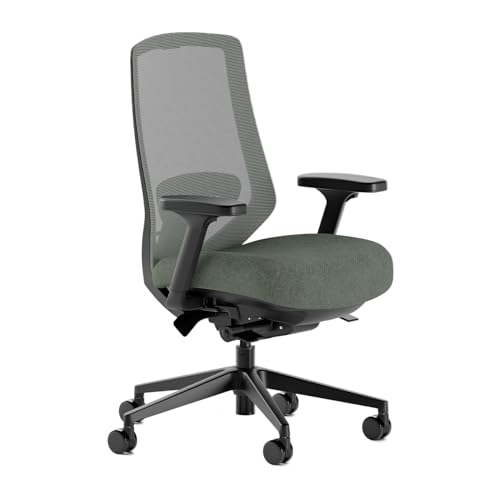
As an Amazon Associate we earn from qualifying purchases at no extra cost to you. Ratings are shown as listed on Amazon.
| Model | Lumbar support | Seat-depth adjustment | Upholstery and upkeep | Warranty check | Best fit |
|---|---|---|---|---|---|
| Ergonomic Chair | Adjustable support; verify the current mechanism and range | Adjustable; confirm the listed range for the current version | Mesh-backed versions are easier to keep cool; inspect fabric and foam for wear | Confirm the current term and coverage exclusions | People who want more ways to fine-tune fit |
| Daily Chair | Less fit-tuning than the Ergonomic; check current model details | Confirm whether the version you’re considering adjusts | Check the specific fabric and cushion construction; vacuum fabric regularly | Confirm the current term and coverage exclusions | Budget-conscious users who want a practical desk chair |
| Verve Chair | Check how the current back support adjusts, if at all | Verify the current seat-depth specification | Upholstered surfaces can show stains or abrasion sooner than an open mesh back | Confirm the current term and coverage exclusions | Design-conscious buyers prioritizing appearance and a polished workspace |
| Softside Chair | Prioritize overall back shape; don’t assume padding means adjustable lumbar | Verify the current specification; a cushioned seat may still have fixed depth | Soft upholstery can need more frequent vacuuming and prompt spot-cleaning | Confirm the current term and coverage exclusions | People who prefer a softer, upholstered chair |
Why the table uses verification notes rather than invented measurements: chair specifications, included features, and warranty terms may vary by model year, configuration, or region. Check Branch’s current product page and warranty document before ordering. In particular, don’t treat a chair’s overall dimensions as its adjustable seat-depth range: those are different measurements.
Choose by posture needs and budget
Pick the Ergonomic Chair if fit adjustment is your priority
Start here if more than one person will use the chair, you’re between common sizes, or you’ve struggled to get a comfortable fit in fixed-seat chairs. Lumbar and seat-depth controls are most useful when they can be set independently: the seat should support your thighs without pressing into the backs of your knees, while the back support should meet your lower back rather than your waist or shoulder blades.
Before paying more for adjustability, check that the controls actually cover your needs. If you’re tall, confirm that the seat can extend far enough; if you’re shorter, make sure it can slide forward enough while leaving a small gap behind your knees. Compare the published range with your own measurements rather than assuming “adjustable” means a good fit for every body.
Choose the Daily Chair to keep spending in check
The Daily is the sensible direction if you want a Branch-branded desk chair for regular use but don’t need the most adjustment options. It makes more sense for a single user with a straightforward fit than for a shared workstation where people need to reset the chair repeatedly.
Its lower price is only a saving if the chair fits you. If its seat depth or lumbar position is fixed, try to verify those details before purchase and review the return policy. A budget chair that leaves you unable to position your feet comfortably may be a poor value even if the initial price is attractive.
Go with Verve for a design-led office
The Verve is worth considering when appearance is a major part of the decision—such as in a visible home office or a room where a conventional mesh chair would feel out of place. Compare its upholstery care and adjustment options against the Ergonomic rather than assuming a more distinctive shape also means a more adaptable fit.
For a shared or high-use chair, inspect the upholstery details: whether the fabric is removable, how spills should be treated, and whether replacement parts or fabric-care guidance are available. Those ownership details can matter more over time than the initial color choice.
Select Softside if cushioning and upholstery are the draw
Softside suits buyers who prefer a cushioned, upholstered feel to a mesh-heavy look. That preference can be worthwhile, but soft surfaces may collect dust and show spills more readily. Ask how the fabric should be cleaned and avoid using harsh cleaners unless the care instructions specifically allow them.
Don’t mistake plushness for ergonomic fit. A soft seat can feel comfortable at first while still being too deep or putting the back support in the wrong place. Check seat dimensions and adjustment features before choosing it for long workdays.
How to compare seat depth and lumbar support in practice
Use these checks before ordering—or during the return window—rather than judging a chair by a quick sit:
- Measure your sitting depth: sit with your back against a firm surface and measure from your back to the area just behind your knees. Compare this with the chair’s usable seat depth, leaving room so the front edge doesn’t press into your legs.
- Check foot support: when seated, your feet should rest on the floor or a footrest. If the seat is deep enough for your thighs but leaves your feet unsupported, a footrest may help; it won’t fix a seat that is fundamentally too deep.
- Position lumbar support: adjust it to meet the inward curve of your lower back. If it pushes hard against one spot or sits too high, try another setting before deciding the chair is comfortable.
- Test the recline separately: a chair that feels comfortable upright may not feel right when reclined. Check whether the back moves with you and whether the controls are easy to reach.
These are fit checks, not medical advice. If sitting causes persistent pain or you have a specific condition that affects your seating needs, consider asking a qualified health professional for guidance.
Durability, upholstery, and warranty: what ownership looks like
On a frequently used chair, common wear points include the seat cushion, fabric at the front edge, arm pads, casters, and moving controls. Mesh can be easier to inspect and keep ventilated, but it can still stretch or snag. Upholstery can look more finished, but friction, direct sunlight, spills, and abrasive cleaning can age it faster. Rotate the chair away from strong sun, vacuum fabric gently, and blot spills promptly instead of rubbing them in.
A warranty is useful only if its coverage matches likely failures. Before purchase, check the current term, what parts are covered, whether labor or shipping is included, and how wear, accidental damage, and commercial use are treated. Also check whether the warranty applies in your country and whether you need to retain the original packaging or register the chair. Don’t compare warranty lengths alone: exclusions and repair procedures affect how much protection you actually get.
Bottom line
- Best for adjustability: Ergonomic Chair—provided its current seat-depth and lumbar ranges suit your measurements.
- Best for a tighter budget: Daily Chair—if its simpler fit works for your body and work routine.
- Best for a design-focused workspace: Verve Chair—after checking upholstery care and adjustment trade-offs.
- Best for a softer upholstered feel: Softside Chair—if cushioning matters more than extensive fit controls.
For the best Branch office chairs comparison, prioritize fit first, then materials, and finally appearance. Confirm current measurements and warranty details for the exact chair configuration you plan to buy; those facts matter more than a broad claim that any one model is best for everyone.