Key takeaways
- How to choose a cold weather travel trailer: insulation, heating, freeze-protected plumbing, windows, tyres and battery storage explained as buying criteria.
As an Amazon Associate we earn from qualifying purchases.
Choosing a travel trailer for cold weather is not really a question of which model has the biggest heater. The decision that decides whether a winter trip works is whether the whole trailer was built as a system for low temperatures: insulation in the walls, floor and ceiling, plumbing routed or protected so it does not freeze overnight, and enough heating and battery capacity to run through a long, dark evening away from a hookup.
This guide is for campers planning shoulder-season and winter trips, skiers using a trailer as a base near the mountains, and anyone considering living in a trailer through colder months. It names no specific models and quotes no model specifications. Instead it sets out the features and construction details to look for, and the questions to ask a dealer, so any trailer can be judged on evidence rather than on a four-season badge. Work through each system in turn, because a weakness in any one can end a trip the others were ready for.
How to Choose
Judge insulation as a whole-trailer system
Cold enters a trailer through the floor, the roof, the slide-out seals and the storage doors, not just through the walls. Look for enclosed and insulated underbellies, insulation stated for the floor and ceiling as well as the sidewalls, and heated or insulated holding tank areas. Ask how slide-outs are sealed and whether their floors are insulated, because a slide room often becomes the coldest seat in the trailer. Published insulation values help compare construction, but only when they cover the whole structure rather than a single wall layer quoted on its own.
Think in layers. The floor matters more than many buyers expect, because cold air settles underneath and wind strips heat from an exposed underbelly all night. The ceiling matters too, as heat rises through a thin roof and around vents and skylights that interrupt the insulation. Wall insulation should continue around wheel arches and baggage compartments, not just the flat sections. At a seasonal pitch, skirting around the base adds protection: it blocks wind under the floor and helps the underbelly hold warmth. Ask whether skirting can be fitted cleanly, still leaves access to drains and valves, and can be removed before towing. Treat it as a useful addition for longer stays, not a substitute for built-in floor insulation.
Size the heating system for the nights you actually face
A furnace that copes with a frosty evening in autumn may run constantly and still lose ground on a deep winter night. Look for a ducted heating system that sends warm air into the living space and, importantly, into the enclosed underbelly where tanks and pipes sit. Check whether heat reaches the bathroom and the far end of the trailer, not just the main cabin. Then consider backup: a safe secondary heat source and enough propane capacity for several cold nights matters once a single cold snap can empty a small tank surprisingly fast.
Ask how heating behaves over a full night, not just how quickly the cabin warms up. Thermostat placement, unblocked return-air paths and even duct runs decide whether heat circulates or leaves cold corners where condensation gathers. Heating safety deserves its own check: confirm carbon monoxide and smoke alarms are fitted, in date and tested, and that vents and flues are clear before every trip. Never use a cooking appliance as a room heater, keep combustible items away from heater outlets, and use any secondary heater only if its maker approves it for indoor recreational vehicle use, exactly as directed. Do not seal every vent shut to trap heat; controlled fresh air helps manage moisture.
Follow every water line from tank to tap
Frozen plumbing is the failure that ends winter trips and damages trailers. Trace the system on paper before buying: fresh, grey and black tanks should sit inside an enclosed, preferably heated space, and exposed drain valves are a weak point worth checking in person. Heated tank pads, insulated or heat-traced pipes and an interior shut-off arrangement all reduce risk. Also ask how the trailer is winterised and de-winterised, because a system that is simple to drain properly is one an owner will actually protect when a sudden freeze arrives.
Go further than the tanks. Follow each pipe run and look for sections through unheated lockers, close to an exterior wall, or dipping below the insulated floor to a drain point. Low-point drains, outside showers and filler connections are common freeze points because they sit at the edge of the heated space. Ask whether tank pads and pipe heating are switched separately, how much power they draw, and whether they work while travelling or only on a hookup. Check the pump location too: inside the heated interior is easier to protect and reach. Finally, plan daily use: a supply hose can freeze even when the trailer is protected, so fill the onboard tank, stow the hose, and know how you will empty waste if a dump point is partly frozen.
Check windows, doors and the power budget together
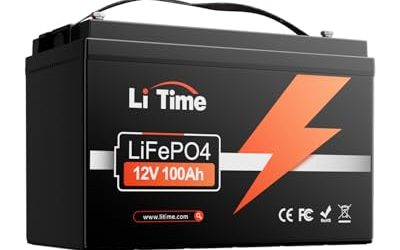
Single-pane windows pour heat out and collect condensation, so dual-pane or well-insulated windows make a visible difference to both comfort and damp. Door seals, baggage door insulation and a proper entry step area matter on windy sites. Finally, winter is a power problem: short days cut solar input while the furnace fan runs for hours, so look for generous battery capacity, space to add more, and charging that works from the tow vehicle and from a hookup. A trailer that stays warm but flattens its batteries by midnight is only half winter-ready.
Look closely at window fitting. The gap in a dual-pane unit keeps the inner surface warmer, reducing condensation that otherwise runs onto frames and bedding. Check thermal covers for large windows and skylights, seal condition, and whether opening windows close without gaps. A warped door frame or an uninsulated baggage door beside a bed can create a cold spot no furnace setting fixes. Then work through the power budget honestly: batteries deliver less in low temperatures, furnace fans and tank pads draw for longer on dark evenings, and solar produces less under short days and snow cover. Ask where batteries are stored, whether that space is inside the heated envelope or insulated, and how they are charged and monitored. Before a trip, charge fully, test furnace and alarms on battery alone, and confirm the tow vehicle connection charges as expected.
Which One Fits Your Situation
You camp in shoulder season with occasional frost
For spring and autumn trips where nights dip below freezing only sometimes, the priorities are an enclosed underbelly, a ducted furnace and plumbing that can be drained quickly when a cold night is forecast. Dual-pane windows are welcome but less critical at this level, and a modest battery setup copes because the furnace runs in shorter bursts. Keep the pre-trip check simple: confirm the furnace fires reliably, test the alarms, inspect seals, and carry a plan for draining the water system if the forecast turns.
You base yourself near ski areas for weeks at a time
Long stays in genuinely cold places demand the full system: strong floor and roof insulation, heated tank areas, generous propane capacity and windows that resist condensation through weeks of cooking and breathing indoors. Skirting around the trailer base at a seasonal pitch, plus a reliable secondary heat source, separates a workable base camp from a miserable one. Plan the pitch too: keep skirting clear of valves, clear snow from vents and the furnace exhaust, and check tyre condition and pressures even during a long stay. Chains or snow-rated tyres for the tow vehicle may be required on mountain roads.
You travel off-grid through winter
Without hookups, the power budget becomes the deciding factor. Prioritise battery capacity and space to expand it, efficient heating controls, and insulation good enough that the furnace cycles less often. Water discipline matters too: carrying water inside the trailer and using the onboard tanks sparingly reduces freeze exposure when temperatures stay low all day. Think in daily terms: how long the furnace fan runs overnight, how tank protection draws power, and how little solar you may collect under snow or cloud. Keep batteries warm and well charged, or heating, lighting and water protection start competing with each other.
You plan to live in the trailer through winter
Full-time winter living adds moisture management and running costs to the list. Look for construction that handles constant heating without cold spots where condensation forms inside walls, ventilation that can clear cooking moisture without dumping all the warm air, and easy access to valves, filters and the furnace for mid-winter maintenance in poor weather. Build a weekly routine: check alarms, inspect skirting after storms, look under sinks and around the pump for early signs of a freeze leak, clear snow from vents and flue, and monitor battery charge. Winter tyres or chains for moving days and a spare plan for water if a site supply freezes become part of normal living.
Common Mistakes
- Trusting a four-season or all-weather badge without asking what construction sits behind it, since the label alone does not describe insulation, tank heating or window type.
- Checking the furnace size but never asking where the holding tanks sit, leaving exposed tanks and drain valves to freeze on the first hard night.
- Forgetting that slide-outs add cold surfaces and seals, then discovering the slide room is several degrees colder than the rest of the trailer.
- Underestimating winter power use, because short days, long furnace run times and cold batteries combine to drain a setup that felt ample in summer.
- Ignoring tyres and towing conditions, when reaching a winter site can involve snow-rated tyres, chains where required, and a trailer brake and light check in freezing weather.
Frequently Asked Questions
What makes a travel trailer genuinely cold weather capable?
It is the combination, not one feature: insulation across walls, floor and ceiling, an enclosed and preferably heated underbelly protecting tanks and pipes, a ducted furnace that also warms that underbelly, and windows that limit heat loss and condensation. Ask for each element separately when shopping, because a trailer can offer one and quietly lack the others. Add the supporting evidence: reachable drain valves, a system you understand well enough to drain, working alarms, and a battery setup sized for long furnace nights.
Can a standard travel trailer be used in winter with upgrades?
Partly. Tank heating pads, pipe insulation, window coverings, skirting and a larger battery bank all extend the usable season, and many owners camp through frost this way. The limits are structural: wall and floor insulation, tank placement and window construction cannot be changed easily, so upgrades suit shoulder-season use better than prolonged deep cold. Prioritise in order: protect exposed pipes and valves first, reduce heat loss through windows and floor next, then address battery capacity. Recheck alarms after any change, and never let added covers block vents or flues.
How do you stop the water system freezing overnight?
Keep tanks and lines inside the heated envelope where possible, run the furnace so ducted heat reaches the underbelly, and open interior cabinet doors so warm air circulates around pipes. On the coldest nights, draining the system or switching to carried water removes the risk entirely. Any antifreeze step belongs in the maker instructions for that trailer and should be followed exactly. Disconnect and drain an external hose in the evening, use the onboard tank overnight, and know where every drain point is in advance. If a pipe freezes, stop forcing taps and pumps, warm the area gently, and check for leaks as it thaws.
What should be checked on the tow setup for winter trips?
Check the trailer tyres for condition and correct pressures in cold weather, confirm whether snow-rated tyres or chains are needed or legally required on your route, and test brakes, lights and the breakaway system before leaving. Batteries also deserve attention, since a battery stored discharged through winter can be damaged by freezing, so storage charge habits matter. Clear snow and ice from the roof, steps, hitch and lights, confirm the coupling and safety chains are ice-free, and test the brakes at low speed before joining faster traffic. Carry chains where you can reach them, and practise fitting them at home rather than beside a snowy road.
More from Amazon
Programs that pair well with the guide above. Offers and eligibility are set by Amazon and may change.
Free shipping on eligible items, Prime Video and more. Eligible new members can start with a free trial.
Start a Prime free trialA Prime membership for ages 18-24 with a trial period. Eligibility is set by Amazon.
See Prime for Young AdultsAudiobooks and podcasts to listen to on the go. Eligible new members can start with a free trial.
Try Audible freeAd-free music streaming. Eligible new subscribers can start with a free trial.
Try Music Unlimited freeAs an Amazon Associate we earn from qualifying purchases.