Key takeaways
- Luggage haulers for SUVs compared: two hitch-mounted cargo carriers with verified Amazon US listings, capacities, basket sizes and folding designs.
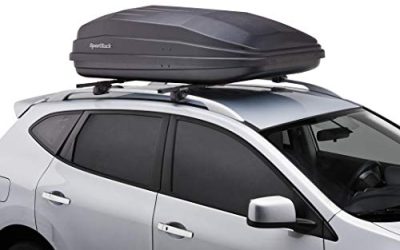
A luggage hauler for an SUV is a carrier that mounts to the vehicle itself — not a wheeled cart you pull through an airport. This guide covers the hitch-mounted style: a steel or aluminum basket that slides into the SUV’s two-inch receiver and carries suitcases, coolers, and camping gear outside the cabin. Roof boxes are a separate product type and are covered in this site’s cargo box roundup, so the picks here stay with hitch carriers, which keep the roof free, avoid wind-noise and height problems, and are easier to load at waist height.


Both carriers below are rated at 500 pounds and fit a standard two-inch receiver. They differ in size, weight, and material — one is a compact, light aluminum basket, the other a larger steel basket that folds up when empty.
Quick Picks
As an Amazon Associate we earn from qualifying purchases.
| Product | Best for | Key spec from title |
|---|---|---|
| MaxxHaul 70108 | Light, rust-free hauling | Aluminum basket, 49 x 22.5 inches, 500-lb capacity |
| CURT 18153 | Biggest loads, folds away | Steel basket, 60 x 24 inches, 500 lbs, folding shank |
How to Choose
Confirm your receiver size and tongue weight
Almost every carrier in this class needs a two-inch receiver, and that is the first thing to verify on your SUV — some smaller crossovers only have a 1.25-inch receiver or none at all. Just as important, the carrier’s 500-pound rating is not your limit by itself: your vehicle’s tongue weight rating caps the total of carrier plus cargo. A light aluminum carrier leaves more of that allowance for actual luggage, while a heavy steel basket eats into it before you load a single bag. Check your owner’s manual figure before choosing.
Basket size versus your actual luggage
Carriers range from about 49 inches to 60 inches wide. A 60-inch basket swallows a family’s suitcases side by side and takes bulky items like folding chairs and storage totes without stacking, but it also blocks more of the rear hatch swing and is heavier to mount alone. A 49-inch basket handles two large suitcases and a cooler comfortably and stores more easily in a garage. Measure your biggest regular load — a cooler is a common yardstick — and pick the smallest basket that fits it, because every extra inch rides behind you on every trip.
Material and weather exposure
Everything on a hitch carrier rides in the road spray behind your vehicle, so corrosion resistance matters. Aluminum baskets do not rust and weigh far less, which helps when you mount and remove the carrier often. Steel baskets cost less for their size and shrug off heavy, hard-edged loads, but their powder coating will eventually chip and need touch-ups in salty climates. Either way, the cargo itself is exposed: plan on a waterproof cargo bag or a tarp and straps for anything that cannot get wet.
Folding shanks and everyday practicality
A folding shank lets the empty basket tilt up against the rear of the SUV, shortening the vehicle for parking and garage storage without removing the carrier. If you leave the carrier mounted between trips, this feature is close to essential; if you only mount it for holidays, it matters less. Also think about access: a loaded carrier blocks the tailgate, so load the cargo area first. Reflectors or a spot to mount a light kit improve rear visibility, and a hitch stabilizer keeps the basket from rattling in the receiver.
The 2 Best Options
MaxxHaul 70108 Aluminum Cargo Carrier
The 70108 pairs an extruded aluminum basket with a heavy-duty steel under support frame, giving it a 500-pound load capacity at a carrier weight of only about 21 pounds — light enough for one person to mount and remove without help. The basket measures roughly 49 by 22.5 inches outside, with high side rails and reflectors to keep loads visible and contained. Because the basket itself is aluminum, it will not rust through seasons of road spray, and the two-inch hitch shaft fits standard Class III and IV receivers found on most SUVs.
Specs
- Basket size: 49.25 x 22.5 inches outer, 47.25 x 20.25 x 6 inches inner
- Load capacity: 500 pounds
- Material: aluminum basket with steel under support frame
- Carrier weight: about 21.4 pounds
- Receiver: 2-inch hitch, Class III and IV
- Extras: high side rails and reflectors
Best for: SUV owners who mount and remove the carrier often and want to preserve tongue-weight allowance for cargo.
Watch out for: the 49-inch basket is the smaller option here, so measure bulky loads before assuming they fit.
ASIN: B008CE0LIC
CURT 18153 Basket Hitch Cargo Carrier
The CURT 18153 is the big steel option: a 60 by 24-inch tubular steel basket with six-inch sides, a 500-pound capacity, and a folding shank that tilts the empty carrier up out of the way. The shank is also angled to add ground clearance, which helps on driveways and rutted campsite tracks where a long carrier can drag. At about 70 pounds it is a two-person lift for most people, and it suits owners who mount it at the start of a trip season and leave it on. The bolt-together design assembles with basic tools.
Specs
- Basket size: 60 x 24 x 6 inches
- Load capacity: 500 pounds
- Material: black steel, tubular construction
- Carrier weight: about 70 pounds
- Receiver: 2-inch hitch
- Design: folding, angled shank for storage and ground clearance
Best for: families hauling maximum luggage who want the carrier to fold up between trips instead of coming off.
Watch out for: at roughly 70 pounds it is heavy to mount solo, and the steel finish needs occasional touch-ups in salty climates.
ASIN: B00JF5LRN0
Which One Fits Your Situation
Weekend trips with two or three suitcases
The MaxxHaul covers this easily and is the friendlier tool for it: light enough to mount in a minute, big enough for a couple of large cases and a cooler, and immune to rust if it lives on the vehicle through a wet season. Its smaller basket also leaves the rear hatch less obstructed than a 60-inch rack. If your trips are frequent but your loads are moderate, the lighter carrier is the one that will not feel like a chore.
Family road trips with the cabin full
When the third row is up and the cargo area disappears, the CURT’s 60-inch basket earns its weight. It takes a full set of family suitcases in one layer, plus the awkward extras — camp chairs, a stroller, a tote of sports gear — that defeat smaller racks. The folding shank matters here too, because a carrier this size is not something you want to unbolt and store after every trip; it can simply tilt up and stay mounted.
You park in a garage or tight space
Both carriers add length behind the SUV, but the CURT folds vertically when empty, which can be the difference between closing the garage door and not. The MaxxHaul does not fold, so garage-parked owners will likely remove it between trips — feasible because it is light, but it needs a storage corner. Measure your garage depth with the carrier mounted before committing to either approach.
You also carry bikes or a cargo box sometimes
Think about the whole system before buying. A hitch carrier occupies the receiver, so it cannot coexist with a hitch bike rack on the same trip — choose per trip, or plan bikes on the roof. Conversely, a hitch carrier pairs well with a roof box you already own: bulky, light items go up top and heavy luggage rides low behind the bumper, which keeps the SUV’s handling closer to normal than stacking everything on the roof.
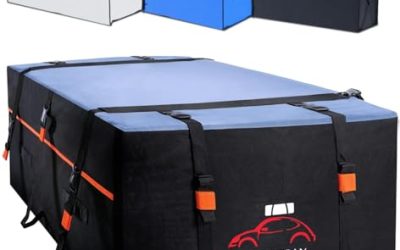
Securing the load deserves the same attention as choosing the carrier. Suitcases ride best inside a fitted cargo bag, which keeps them dry and stops smaller items migrating through the basket rails. Hard totes should sit flat against the basket floor with the heaviest items lowest and closest to the vehicle, then be crossed with two ratchet straps rather than bungee cords, which stretch and let loads shift at highway speed. Stop after the first few miles and re-check strap tension — loads settle quickly once vibration starts. A cable lock through the cargo and basket adds a basic theft deterrent during overnight stops.
Common Mistakes
- Buying a 500-pound carrier without checking the vehicle’s tongue weight rating.
- Loading the carrier first, then realizing it blocks access to the cargo area.
- Leaving soft luggage uncovered in road spray instead of using a waterproof bag.
- Skipping a hitch stabilizer, then listening to the basket rattle for six hours.
- Forgetting the carrier is there and reversing into a post or another car.
Frequently Asked Questions
Do hitch cargo carriers fit every SUV?
They fit any SUV with a two-inch receiver hitch, which covers most mid-size and full-size models. Smaller crossovers may have a 1.25-inch receiver or a low tongue weight rating that limits how much you can actually carry. Check both the receiver size and the tongue weight figure in your owner’s manual before ordering — the carrier’s rating does not override the vehicle’s limits.
Will a loaded carrier block my tailgate?
Yes, expect it to. A loaded basket sits directly behind the hatch, and most SUVs cannot open their tailgate fully over a stacked load. Load the cargo area first, keep anything you need en route inside the cabin, and pack the carrier with gear you only need at the destination. Folding models tilt down or up on some designs, but plan around limited access rather than counting on it.
How do I keep luggage dry on a hitch carrier?
The carriers themselves are open baskets, so weather protection comes from what you pack into them. A waterproof hitch cargo bag sized to the basket is the cleanest solution, sealing suitcases and duffels against rain and road spray. Hard cases and plastic totes also work well. A tarp secured with ratchet straps is the budget option, but it flaps and wears at highway speed if it is not tensioned carefully.
Can I leave the carrier mounted all the time?
You can, especially a folding model, but consider theft, corrosion, and parking length. A locking hitch pin slows down casual theft, and folding the basket up keeps it out of the way in parking lots. Aluminum resists the weather better for full-time mounting. Also remember that a rear carrier can obscure the license plate and lights when loaded; some owners relocate the plate or add a light kit for long trips.
More from Amazon
Programs that pair well with the guide above. Offers and eligibility are set by Amazon and may change.
Free shipping on eligible items, Prime Video and more. Eligible new members can start with a free trial.
Start a Prime free trialA Prime membership for ages 18-24 with a trial period. Eligibility is set by Amazon.
See Prime for Young AdultsAudiobooks and podcasts to listen to on the go. Eligible new members can start with a free trial.
Try Audible freeAd-free music streaming. Eligible new subscribers can start with a free trial.
Try Music Unlimited freeAs an Amazon Associate we earn from qualifying purchases.