Key takeaways
- The best travel accessories are the ones that solve a specific problem on a specific kind of trip: keeping a bag organized, charging devices abroad.
The best travel accessories are the ones that solve a specific problem on a specific kind of trip: keeping a bag organized, charging devices abroad, sleeping on a long flight or protecting documents in a crowded station. Choosing well starts with the trip, not the gadget. A weekend carry-on journey needs very different gear from a month of backpacking or a family vacation with checked bags.
This guide explains how to decide what is worth packing, which categories of accessories suit which travelers, the features that matter in each, common buying mistakes and a short checklist. It deliberately names no brands or models, because the right choice depends on how and where a person travels.
Start With the Trip, Not the Product
Every accessory costs space and weight, and both are limited. Before buying anything, list the three or four problems that have caused the most frustration on past trips. Common answers include a tangled mess of cables, clothes that arrive wrinkled and crushed, uncomfortable sleep in transit, outlets that do not fit and the constant worry about losing a passport.
Match Gear to Travel Style
Carry-on-only travelers need compact, lightweight items and benefit most from organization tools. Checked-bag travelers can afford bulkier comfort items. Backpackers value durability and low weight over everything else. Families need shared solutions such as multi-port chargers and labeled pouches. Business travelers care about tech protection and wrinkle control.
Apply the Two-Trip Test
A reasonable rule is to buy an accessory only if it would have been used on at least two recent trips. Items that solve a rare situation are better rented, borrowed or skipped. This keeps the travel kit lean and prevents a drawer full of unused gadgets.
The Main Categories of Travel Accessories
Organization and Packing Aids
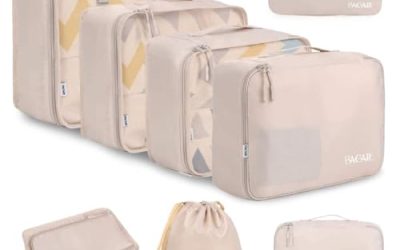
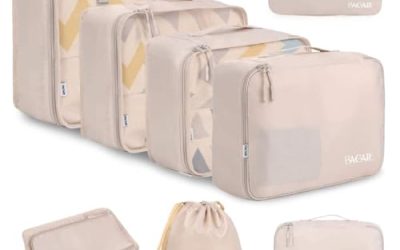
Packing cubes, compression pouches, toiletry bags, shoe bags and laundry bags keep luggage tidy and make it easier to find items without unpacking everything. They suit nearly every traveler and are often the best first purchase. Look for sturdy zippers, breathable or lightweight fabric and a size that fits the bag in use. Clear or mesh panels help identify contents at a glance.
Power and Tech
This category includes plug adapters, multi-port charging blocks, portable power banks, cable organizers and device stands. The most important detail is compatibility with the destination. Plug shapes and voltage vary by country, and most modern phone and laptop chargers accept a wide voltage range, but hair tools and some small appliances may not. A universal adapter with built-in USB ports can replace several single-purpose items.
Sleep and Comfort
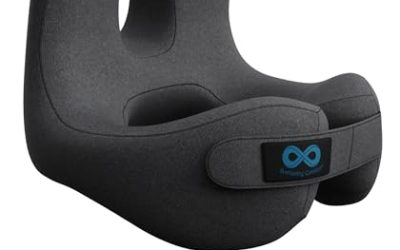
Neck pillows, eye masks, earplugs, noise-reducing earbuds and compact blankets help on overnight flights, trains and buses. Fit is personal, so shape and firmness matter more than any label. Inflatable and memory-foam options trade packability against support, and travelers who sleep upright often prefer designs that support the chin or sit on the shoulders.
Security and Document Protection
Luggage locks, cable locks, slim document organizers, hidden pouches and belt wallets protect valuables. Locks approved for airport screening can be opened by authorized inspectors without being cut. Claims about blocking contactless card scanning are debated, so buyers should treat RFID-blocking features as a minor bonus, not a reason to buy.
Health, Hygiene and Everyday Care
Reusable water bottles, small first aid kits, leakproof bottles, packable towels and sanitizing wipes help in long travel days. Bottles for liquids should respect airline carry-on liquid limits, which are published by aviation authorities, and be checked before each trip since rules can change.
Luggage Helpers
Luggage tags, bag trackers, compression straps, bag covers and portable luggage scales prevent common headaches such as lost bags and overweight fees. A scale is especially useful for travelers on airlines with strict weight limits, since a few pounds can change the cost of a flight.
Features and Specs Worth Checking
Compare accessories using practical criteria rather than marketing language. These checks apply across categories.
- Weight and packed size: heavy or bulky accessories lose value fast. Compare dimensions to the bag they will live in.
- Material and stitching: look for tight seams, reinforced corners, sturdy zippers and water-resistant fabrics for items that touch wet bottles or damp clothes.
- Power ratings: for chargers and power banks, check the output in watts and the capacity in watt-hours, and make sure it covers the largest device being charged.
- Airline compliance: portable batteries are generally required to travel in carry-on, not checked bags, and capacity limits apply. Verify current rules with the airline.
- Compatibility: confirm that cables, connectors and adapters match the actual devices and destination plug types.
- Washability and cleaning: pillows, covers and pouches that cannot be wiped or washed collect odors over time.
- Ease of use: accessories should work with one hand, in a dim cabin, without instructions.
Budget Tiers and What They Buy
Budget accessories often work well for simple items such as eye masks, luggage tags and basic pouches. Expect thinner fabric and shorter life, but low stakes if one is lost. Mid-range products usually offer better materials, stronger zippers and more thoughtful design, which suits frequent travelers. Premium options bring added durability, warranty coverage, refined ergonomics and higher-capacity electronics.
Spend more where failure is costly or use is frequent, such as chargers, power banks, locks and anything that holds valuables. Spend less on items used once or twice a year.
Common Mistakes When Buying Travel Accessories
- Buying for a rare scenario instead of the most common one.
- Choosing a single-country adapter for a multi-country trip.
- Ignoring the weight of the accessories themselves, which adds up across a full kit.
- Packing a new item without trying it at home first, such as a pillow that turns out to be uncomfortable.
- Putting spare batteries into checked luggage.
- Buying a lock that cannot be opened by airport security and risking a cut lock.
- Duplicating items, such as three separate chargers, when one multi-port unit would do.
A Short Buying Checklist
- Which specific problem does this item solve?
- Will it fit in the bag and survive normal handling?
- Is it compatible with the devices and destinations on the itinerary?
- Does it meet airline rules for carry-on or checked bags?
- Can it be cleaned, repaired or replaced easily?
- Has it been tried at home before departure?
Building a Kit for Different Trip Lengths
A weekend trip needs little beyond a charger, an adapter if crossing borders and a small organizer for toiletries. A week-long trip benefits from packing cubes, a laundry bag and a lightweight daypack that folds flat. Longer journeys add layers of resilience: a spare cable, a small repair kit with a needle and thread, a universal sink stopper and a compact lock for hostel lockers or train luggage racks.
Consider also how accessories interact. A packing cube system works best when cubes match the bag’s internal shape. A neck pillow that clips to the outside of a bag saves interior space. A single wallet-style organizer that holds a passport, boarding passes and a pen reduces fumbling at security lines and border crossings.
Care and Maintenance
Wipe down pillows, pouches and bottles after each trip and let them dry fully before storage to prevent odors and mildew. Coil cables loosely, since tight bends damage the wires over time. Check power banks and chargers for swelling, heat or frayed cords, and stop using any unit that looks damaged. Keep a small travel kit assembled between trips, so the next departure begins with a quick check instead of a scramble.
Related guides
- Whats The Difference Between A Carry On And A Personal Item
- Lightweight Carry On Suitcase With Laptop Compartment
- Tips For Protecting Your Digital Privacy While Traveling
Frequently Asked Questions
What are the most useful travel accessories for a first trip?
Packing cubes, a plug adapter suited to the destination, a portable charger and a durable luggage tag cover the most common needs. Add a neck pillow and eye mask only if the trip includes a long flight or overnight journey.
Are packing cubes worth buying?
For most travelers, yes. They keep clothes sorted, reduce rummaging and make repacking at each stop faster. Compression versions save space but can increase wrinkling.
Can power banks go in checked luggage?
Aviation authorities generally require lithium battery power banks to travel in carry-on bags and impose capacity limits. Because rules differ by country and airline, travelers should confirm the current policy before flying.
How many accessories are too many?
If the kit takes more than a few minutes to pack or constantly overflows the bag, it is probably too large. Remove anything not used on the last two trips and consolidate items with overlapping functions.
More from Amazon
Programs that pair well with the guide above. Offers and eligibility are set by Amazon and may change.
Free shipping on eligible items, Prime Video and more. Eligible new members can start with a free trial.
Start a Prime free trialA Prime membership for ages 18-24 with a trial period. Eligibility is set by Amazon.
See Prime for Young AdultsAudiobooks and podcasts to listen to on the go. Eligible new members can start with a free trial.
Try Audible freeAd-free music streaming. Eligible new subscribers can start with a free trial.
Try Music Unlimited freeAs an Amazon Associate we earn from qualifying purchases.